
6 Ways to Keep Your Felines Well-Hydrated
Most people say that having a pet nowadays is almost the same as giving birth to a human baby. As the paw-rents of these floof babies, we are tasked to make sure that they are receiving the best care possible, like having enough food packed with nutrients and clean drinking water. Before we dive deeper into discussing the most optimal care for both cats and dogs, let’s focus on the basics of what our feline babies need.
Here at Maxime, we always want to help you and your floof baby live the best life together! This is why we have jotted down a few tips and tricks that can help you make sure your cattos are well hydrated.
1. Never Leave Water Bowls Empty
As much as we humans need to keep a glass or bottle of water within reach, it’s also ideal that we keep our pets’ water bowls full every time. Just make sure that you change the water in it DAILY. They’ll most likely know if the water’s fresh or not.
2. Place Different Bowls in Different Places
Cats, as all purr-rents know, are very unpredictable; might as well go with it, right? Put bowls in random places around your home, as cats prefer drinking in different spots. They would also love it if you don’t place them in locations that frequent heavy foot traffic, such as doors, hallways, living rooms, etc.
3. Switch to Wide and Shallow Ceramic Bowls
The bowl matters! Metal and plastic bowls sometimes give water a weird taste and it might keep the cattos from enjoying their drink. They would love it if you use ceramic bowls instead–those that are a bit shallow and wide, as these allow them to see their surroundings while having a sip.
4. Multiple Bowl Options May Add Excitement
You might want to try giving your cat several bowl options by keeping random bowls out at all times. The one that drains the fastest is what your catto likes the most, and it might make them drink more frequently than they usually do.
5. Try a Drinking Fountain
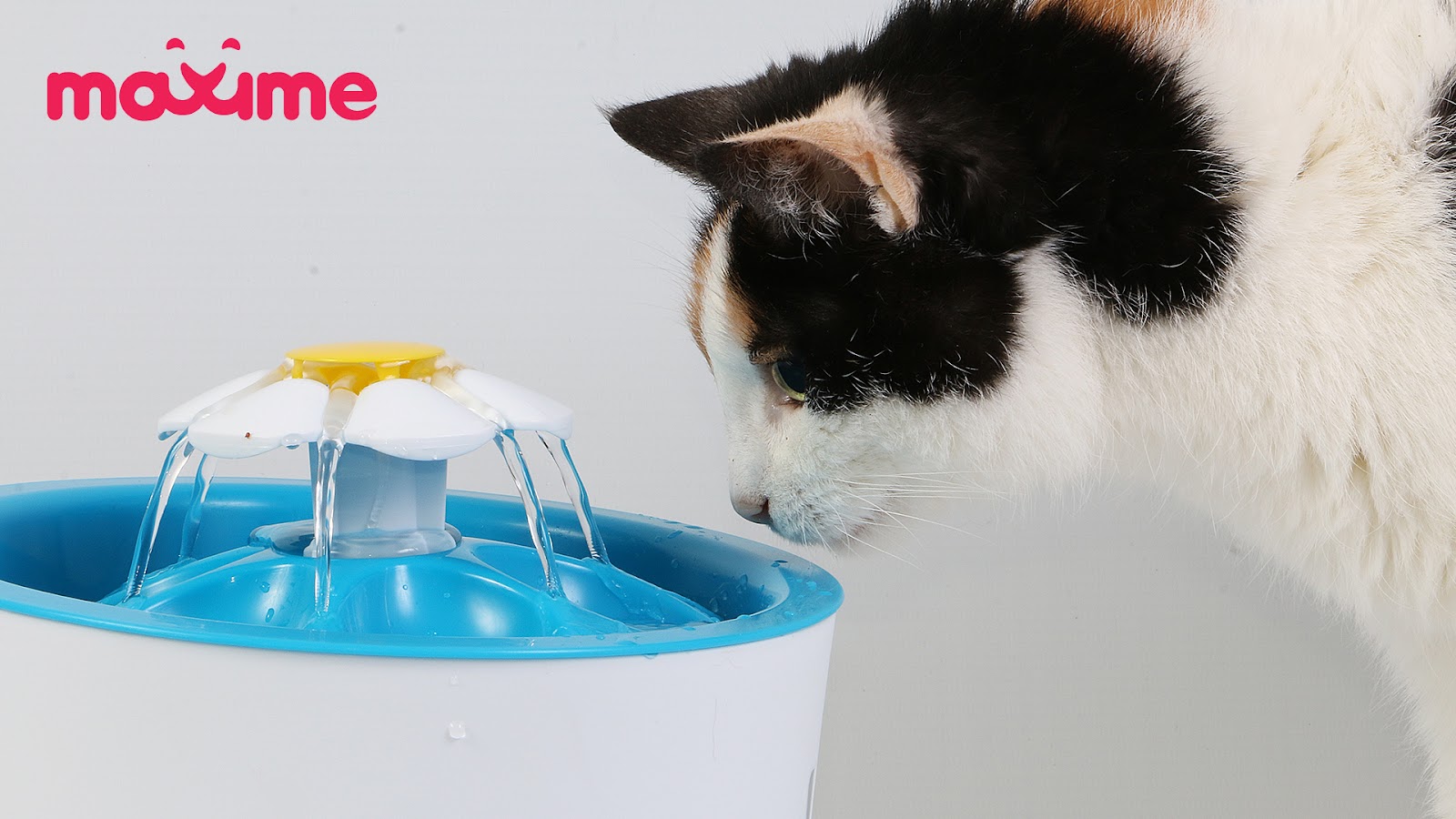
Cats are fascinated with anything that’s moving, so flowing water from a drinking fountain might do the trick. If you’re feeling a little fancy, it’s best to choose the kind that has its own filter to keep the water fresh. Just make sure they’re regularly cleaned so your babies will keep coming back for more.
6. Mixing Drops of Broth in the Water
We humans love drinking beverages with different flavors, and our cats do, too! Adding low-sodium tuna or clam juice ice cubes, or chicken broth can make drinking more exciting and enjoyable for your cat. Make sure to discuss with your resident veterinarian which flavors are recommended for your floof baby.
Knowing which method will work best for your feline babies can be a bit tricky at first, but it will always be worth it. The cattos may not be able to say it, but we do believe they’re grateful for all that you do to keep them healthy and for having you as their paw-rents!
References:
Cats Protection
Preventive Vet
Catster
Tufts University
Pet Health Network
Frequently Asked Questions
Q1. What are the six methods recommended for keeping cats well hydrated?
Six practical hydration strategies are identified. First, keep water bowls consistently full and change the water daily, as cats can detect when water is stale. Second, place multiple bowls in different spots around the home, away from high-traffic areas like doors, hallways, and living rooms. Third, switch to wide and shallow ceramic bowls – metal and plastic can impart an off-taste that discourages drinking. Fourth, keep several bowl options available simultaneously and observe which drains fastest. Fifth, install a filtered drinking fountain to attract cats with moving water. Sixth, add flavor interest using low-sodium tuna juice, clam juice ice cubes, or chicken broth, on veterinary advice.
Q2. Why does bowl material and shape matter so much for a cat’s willingness to drink water?
Cats are sensitive to the taste and smell of their water, and both metal and plastic bowls can transfer subtle chemical or metallic flavors that make water less appealing. Ceramic is recommended precisely because it is chemically inert and does not affect taste. Bowl shape also matters: wide and shallow bowls allow cats to see their surroundings while drinking – an important behavioral consideration for an animal that remains alert to its environment even during routine activities. Narrow or deep bowls force a cat’s whiskers to press against the sides, a sensation many cats find uncomfortable and actively avoid.
Q3. Why do cats prefer drinking water in different locations, and how should owners set up water stations accordingly?
Cats are instinctively cautious and prefer having multiple access points to resources rather than depending on a single location – a behavior rooted in their evolutionary history as solitary hunters who needed distributed resources. In a domestic setting, this translates to a preference for finding water in varied spots throughout the home. Owners should distribute bowls in different rooms and away from high-traffic areas, which cats typically avoid because the foot traffic makes them feel exposed and vulnerable while drinking. Observing which bowls are used most frequently helps owners identify preferred drinking locations and optimize water station placement.
Q4. What is the benefit of a cat drinking fountain, and what maintenance does it require?
Cats are attracted to movement, and flowing water from a drinking fountain engages their natural curiosity in a way that a static bowl typically cannot. This behavioral appeal often encourages cats that are reluctant drinkers to approach and drink more frequently. For best results, a fountain with a built-in filter is recommended to maintain water freshness continuously rather than relying on periodic manual changes. Regular cleaning of the fountain is essential – a dirty or algae-affected fountain will deter cats from using it, negating the behavioral advantage that makes the fountain effective in the first place.
Q5. What are the key takeaways for cat owners trying to improve their cat’s daily water intake?
Three principles stand out. First, cats rarely drink adequately from a single static water source – the six-method approach reflects the reality that different cats respond to different hydration strategies, and owners may need to trial several methods before finding the combination that works for their individual cat. Second, environmental and sensory factors are decisive – the location of bowls, their material, their shape, and the presence or absence of water movement all influence whether a cat drinks willingly, independently of how thirsty it actually is. Third, flavored water additions should always be confirmed with a veterinarian before use to ensure they are appropriate for the specific cat.
Related Stories
5 Tips to Get Your Dog Cool & Safe this Summer
For many, summertime means heading to the beach to have fun under the sun but

Pilmico and Iligan City Government Boost Farmers with New Corn Drying Facility
Iligan City, Philippines – Pilmico Foods Corporation, the food and agribusiness subsidiary of Aboitiz Foods,
From Waste to Taste: The Role of DDGS in Modern Animal Nutrition
A By-Product Turned Essential Feed Ingredient The Industrial Revolution transformed global production, giving rise to