
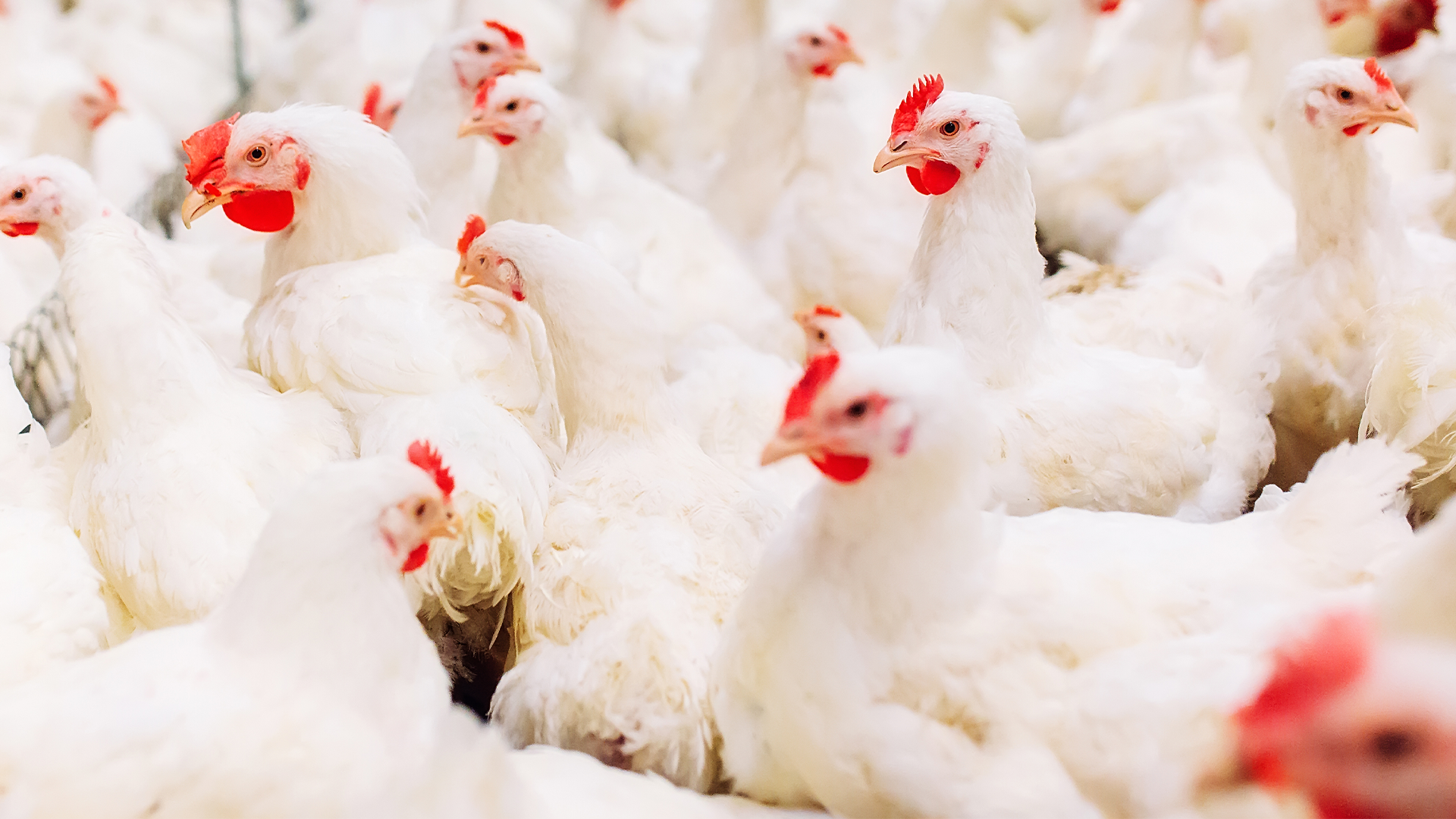
Building Your Poultry Empire: A Poultry Farming for Beginners Guide
Are you ready to embark on a fulfilling journey into the realm of poultry farming? Perhaps you’ve entertained idyllic visions of farm life, and now you’re eager to transform that dream into a reality. Owning and managing a chicken poultry farm requires dedication and knowledge, but fear not, aspiring farmer! This article is tailor-made to equip you with essential tips for success. From coop construction to flock management, we’ll guide you through the intricacies of poultry farming. So, join us as we delve into the feathers and facts of this captivating endeavor, where every step counts towards building your own flourishing poultry empire.
Crafting Your Poultry Farming Business Plan
A robust poultry farming business plan serves as the cornerstone for building a successful poultry empire. Think of it as your farm’s blueprint and the foundation to help you keep things stable and running smoothly. Here are a dozen things you need to consider as you embark on your new poultry farming journey.
Choosing the Right Poultry Breed
Selecting the right poultry breed for your farm should be one of the key areas you should first focus on. Breeds such as Leghorn, Plymouth Rock, and Red Star are some of the most common breeds of chickens used for egg production and meat consumption. However, it’s worth noting that you should consider climate adaptability, disease resistance, and market demand when choosing your desired poultry breed to be raised on your farm.
Setting Up the Coop
A properly-structured and designed coop is crucial for your flock’s overall health and safety. Always consider the coop size, ventilation, lighting, nesting boxes, and perches, especially for the number of chickens you are planning to raise. Make sure to always regularly maintain and clean your coop too.
Nutritional Needs and Feeding
Poultry nutrition is crucial in ensuring that your chickens are healthy. They should get the sufficient macrominerals in their diet that includes calcium, phosphorus, sodium, potassium, manganese, chlorine, and sulfur.
Types of feeds like chick starters, grower feed, and layer feed, for example, should also be in stock to ensure proper nutrition for each stage of the life of your poultry. Lastly, proper feeding practices that involve appropriate portion control and clean waters should also be incorporated as well.
Ensuring Proper Hygiene and Biosecurity
One crucial factor to ensure that your poultry’s health is always in check is proper hygiene and biosecurity. Having all the necessary measures and strict hygiene practices prevents disease outbreaks.
That said, you should also establish disinfection and quarantine protocols, and limit visitors. Consulting a veterinarian for health monitoring will also be useful.
Understanding Poultry Behavior and Handling
Now that you’ve covered your poultry’s nutrition, hygiene, and housing, managing and understanding their behavior is also essential for better flock management.
You must have proper handling techniques, such as gentle handling, catching, and secured transportation so as not to agitate or cause stress to your flock. Providing suitable enrichment and ample space for the flock also improves their well-being.
Managing Poultry Health
Having your own poultry farm puts your chickens at risk for different diseases. Parasitism, avian flu, and other viral diseases can cause an epidemic that can wipe out your flock if managed poorly.
Having regular vaccination, deworming, and parasite control ensures that your flock’s health is always in check. Always remember that regular check-ups and early detection are crucial to avoid worsening health conditions of your fowl
Egg Production and Management
Egg production is also one aspect that you should greatly focus on if you wish to expand your poultry empire. You have to ensure that you only employ effective strategies that would maximize egg production and high egg quality.
To achieve the optimal quality of your eggs, factors such as lighting, temperature, and nest box conditions should always be major considerations. This also involves proper egg handling, storage, and grading techniques to ensure that you provide consistent quality eggs as a supplier.
Flock Expansion and Breeding
Expanding and growing your flock involves breeding and acquisition. You can do this by purchasing, hatching eggs, and even incubations. Bigger farms with more capacity explore various breeding techniques apart from natural mating. In some cases, artificial insemination is also introduced as one of their core expansion and breeding strategy.
Dealing with Predators and Pest Control
Just before you think you’re through with dealing with diseases, another emerging threat should always be kept at bay—predators and pests. Depending on your region, common predators could be snakes and rodents. Domestic animals like dogs and cats can also be predators of poultry.
Having a strong and secured enclosure and fencing alongside integrated pest management techniques is useful in keeping pests away from the coop.
Marketing and Selling Your Products
At the end of the day, selling and earning money is also a major consideration for having your own poultry farm. Once you are ready to market your products, you should consider if you would like to pursue direct sales to consumers, local markets, or perhaps venture into online platforms, or even wholesale distribution.
To ensure better market performance, you must always consider your branding, product differentiation, and most importantly, establishing and building your network through customer relationships.
Continuous Learning and Improvement
Learning doesn’t (and shouldn’t) stop when you’re a poultry farmer. You must always keep yourself updated with industry trends and best practices. By joining relevant poultry farming associations, attending workshops or conferences, and networking with other farmers, you grow and become better in your trade.
By continuously learning and adapting, you become better equipped in raising your flock and become efficient in managing and operating your farm.
Seeking Professional Guidance
As you strive for ongoing education and growth, it’s essential to engage in consultations with seasoned farmers and industry experts. Collaborating with veterinarians and agricultural extension offices can further enhance your knowledge and optimize your farm’s potential. Additionally, exploring the initiatives offered by government agricultural agencies can be highly beneficial for both experienced farmers and newcomers alike. Embracing these resources and partnerships will contribute to the overall success of your farm and help you stay informed about the latest advancements in the field.
Final Thoughts
In the world of poultry farming, success comes with hard work and dedication. Don’t be discouraged by challenges—this exciting industry is worth the effort. Your flock’s well-being depends on their health, safety, continuous learning, and proper nutrition. Feeding them high-quality products like Vidalix by Pilmico ensures their optimal health and vitality. So, take the leap and give it a try! With determination and passion, your poultry farming journey holds the potential for a bright and fulfilling future. Happy farming!
Sources:
- Poultry Farming Guide for Beginners | Agri Farming
- Poultry Farming For Beginners: Best Guide & 15 Tips (roysfarm.com)
Frequently Asked Questions
Q1. What are the first things a beginner poultry farmer should decide?
Start with two foundational decisions: choosing the right breed and setting up a proper coop. Breed selection should factor in climate adaptability, disease resistance, and market demand — with Leghorn, Plymouth Rock, and Red Star being popular choices. The coop must be appropriately sized with good ventilation, lighting, nesting boxes, and perches, and should be cleaned and maintained regularly to keep the flock healthy.
Q2. How important is nutrition in poultry farming?
Nutrition is critical to a healthy and productive flock. Chickens require essential macrominerals including calcium, phosphorus, sodium, and potassium, among others. Feed type must also match each life stage — chick starters, grower feed, and layer feed each serve a specific purpose. Proper portion control and access to clean water round out a sound feeding program that supports growth, egg quality, and overall immunity.
Q3. How should flock health and biosecurity be managed?
Preventing disease is far more effective than treating it. Strict hygiene practices, disinfection protocols, quarantine procedures, and limiting farm visitors all reduce outbreak risks. Regular vaccination, deworming, and parasite control are non-negotiable routines. Early detection through consistent health monitoring — ideally with veterinary support — is key to catching problems before they spread and threaten the entire flock.
Q4. What does scaling up a poultry farm involve?
Growing a flock requires deliberate planning around breeding, acquisition, and infrastructure. Options include purchasing new birds, hatching eggs, or incubation. Larger operations may explore artificial insemination as part of their strategy. At the same time, predator and pest control must be strengthened as the farm grows — secure fencing and integrated pest management are essential safeguards against threats like rodents, snakes, and even domestic animals.
Q5. How should a poultry farmer approach marketing and long-term growth?
Selling eggs or meat successfully requires thinking beyond the farm. Consider whether direct-to-consumer sales, local markets, online platforms, or wholesale distribution best suits the operation. Strong branding, product consistency, and customer relationships are what build lasting market presence. Equally important is continuous learning — joining industry associations, attending workshops, and consulting with veterinarians and agricultural experts keeps farmers competitive and their operations improving over time.
Related Stories
8 Tips on How to Keep Your Poultry Feeding Station Clean During the Rainy Season
In poultry farming, keeping feeding stations clean on your farm is crucial for the health

From Rejection to Redirection: How a former Pilmico scholar pivoted from failure
If there is one failure Dominic De Leon is thankful for, it was when he
Feeding Your Rabbits: Insights Into Rabbit Feeds
When it comes to raising rabbits for commercial purposes, ensuring their dietary needs are met