
Balut Variety: Exploring the Different Kinds of Fertilized Duck Eggs
Balut is a fertilized duck egg eaten in the Philippines, but it’s not just one thing. Many people don’t know there are different kinds, each with its own taste and texture. There is a whole world of balut to explore–from the soft Penoy to the more developed Mamatong. Curious? Jump in and learn more about the surprising variety of balut and discover which type might suit your palate–or tolerance.
Four Types of Balut
1. Balut sa Puti (Plain Balut)
The most common type of balut, Balut sa Puti is a fertilized duck egg incubated for 16-18 days, where the embryo is partially developed. The chick has started forming, but the bones are still soft and edible.
2. Balut Penoy (Unfertilized or Slightly Developed Egg)
Penoy refers to a fertilized egg that didn’t fully develop into an embryo. It’s more like a hard-boiled egg with no visible chick. It is creamy and rich in texture.
3. Balut Mamatong
Mamatong refers to balut where the embryo has floated to the top of the egg after being boiled. The term “mamatong” comes from the Filipino word “tungtong,” meaning “to float.” It is usually incubated for 14-16 days.
4. Balut Abnoy
An undeveloped duck egg, also known as “bugok,” which means “rotten.” In Pateros, where balut production is a major industry, people use abnoy in a variety of ways.
Did you know?
Balut is a fertilized egg that has been incubated for a specific number of days (usually 14 to 21 days), boiled, and eaten as a delicacy.
The term “balut” is derived from the Filipino word “balot”, which means “wrapped” or “covered”. This likely alludes to the embryo being wrapped inside the eggshell.
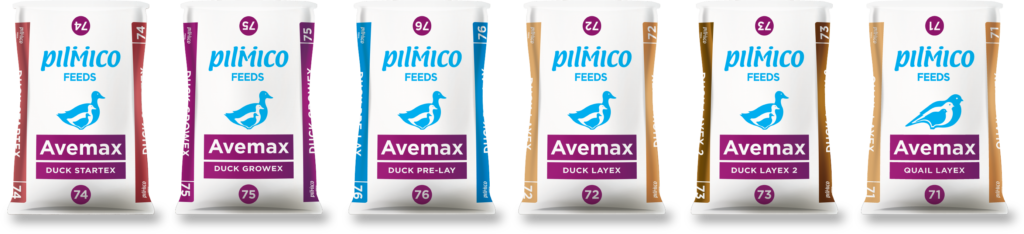
To make more balut and achieve better duck egg production, use Avemax Duck Layex Feeds! Avemax is a premium quality feeds designed to maximize the laying capacity and quality of eggs produced by ducks.
Visit the Avemax page to know more.
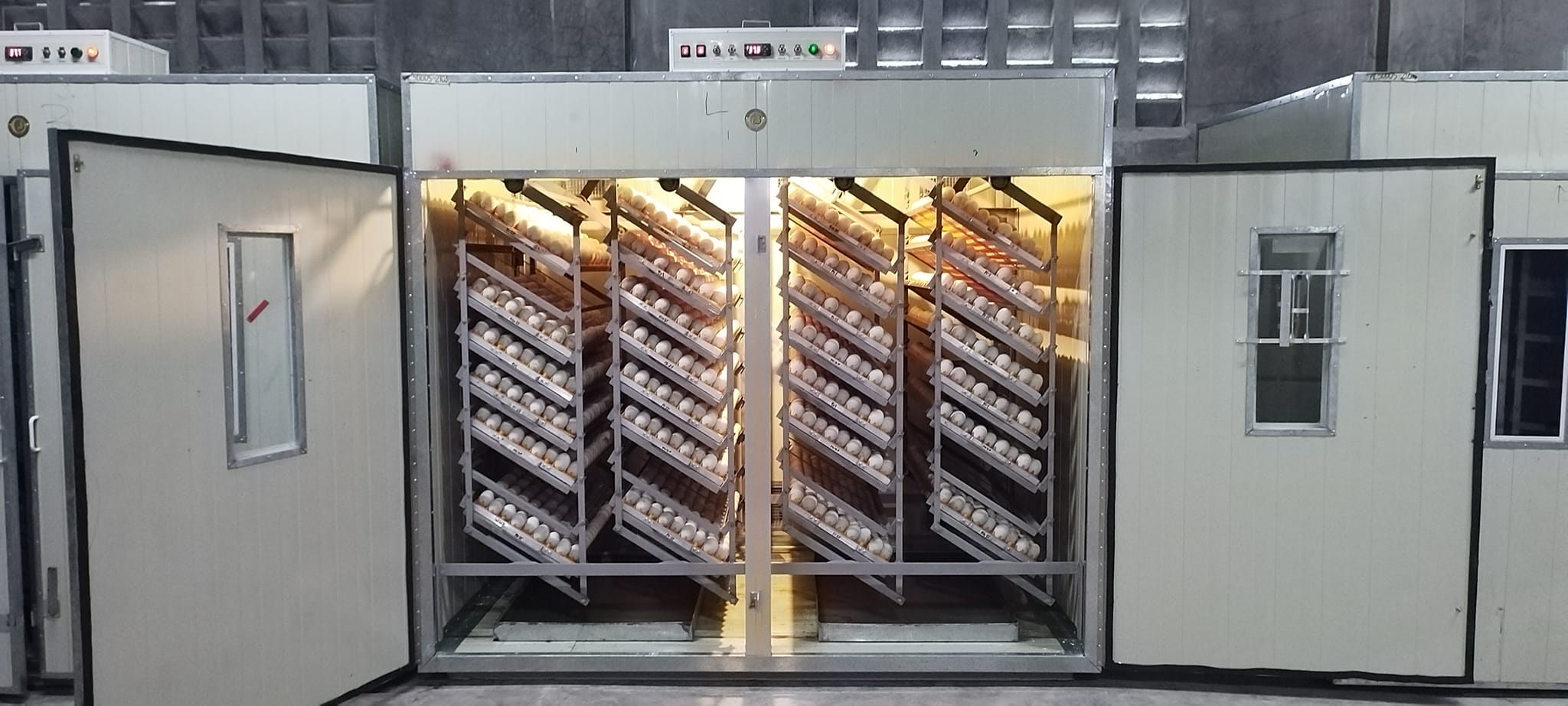
Featured image from Marvin’s Balut Processor.
Frequently Asked Questions
Q1: What exactly is balut and where does the name come from?
Balut is a fertilized duck egg incubated for 14 to 21 days, then boiled and eaten as a street food delicacy — most commonly in the Philippines. The name comes from the Filipino word “balot,” meaning “wrapped” or “covered,” a reference to the developing embryo enclosed within the shell. Despite its reputation as a challenging food, balut has deep cultural roots and a dedicated following among locals who grew up eating it as an everyday snack.
Q2: What is the difference between Balut sa Puti and Penoy?
Balut sa Puti is the most common variety — incubated for 16 to 18 days, it contains a partially formed embryo with soft, edible bones and distinct textures from the broth, white, and developing chick. Penoy, by contrast, is a fertilized egg where the embryo never fully developed. It contains no visible chick and resembles a creamy, rich hard-boiled egg. Penoy is widely considered the milder, more approachable entry point for first-timers not yet ready for the fully developed versions.
Q3: What makes Mamatong distinct from other balut varieties?
Mamatong is defined not by incubation length but by what happens during boiling — the embryo floats to the top of the egg, giving the variety its name from the Filipino word “tungtong,” meaning to float. Typically incubated for 14 to 16 days, it sits at an earlier developmental stage than Balut sa Puti. The floating position of the embryo creates a different internal arrangement of components, resulting in a distinct eating experience from the more commonly known standard balut.
Q4: What is Abnoy and how is it used?
Abnoy — also called “bugok,” meaning rotten — is an undeveloped duck egg that failed to fertilize or develop properly during incubation. While unsuitable for eating as a standard balut, abnoy is not simply discarded in duck-farming communities. In Pateros, historically the center of Philippine balut production, abnoy eggs are repurposed in various ways, reflecting the practical, waste-minimizing approach of traditional balut producers who find utility in every stage of the production process.
Q5: Why does the incubation period matter so much to balut variety and flavor?
The number of incubation days is the primary variable that determines which type of balut an egg becomes. Fewer days means less embryo development — producing softer textures, milder flavors, and less visible chick features. More days means harder bones, stronger flavor, and more pronounced embryo development. This is why balut is not a single product but a spectrum. Producers and consumers who understand these differences can select or produce the specific variety that matches their preference or market demand, making incubation management a core skill in duck egg farming.
Related Stories
Understanding Uterine Capacity to Increase Litter Size
The pursuit of larger litter sizes in pig production has often been accompanied by concerns
How to Raise Hogs from Farm to Table: A Guide for Commercial Hog Farmers
When it comes to commercial hog farming, meticulous planning is essential to ensure you have

Aboitiz Foods powers up last-mile indigenous school in Nueva Ecija
Gabaldon, Nueva Ecija — As students begin a new school year, a remote indigenous school