
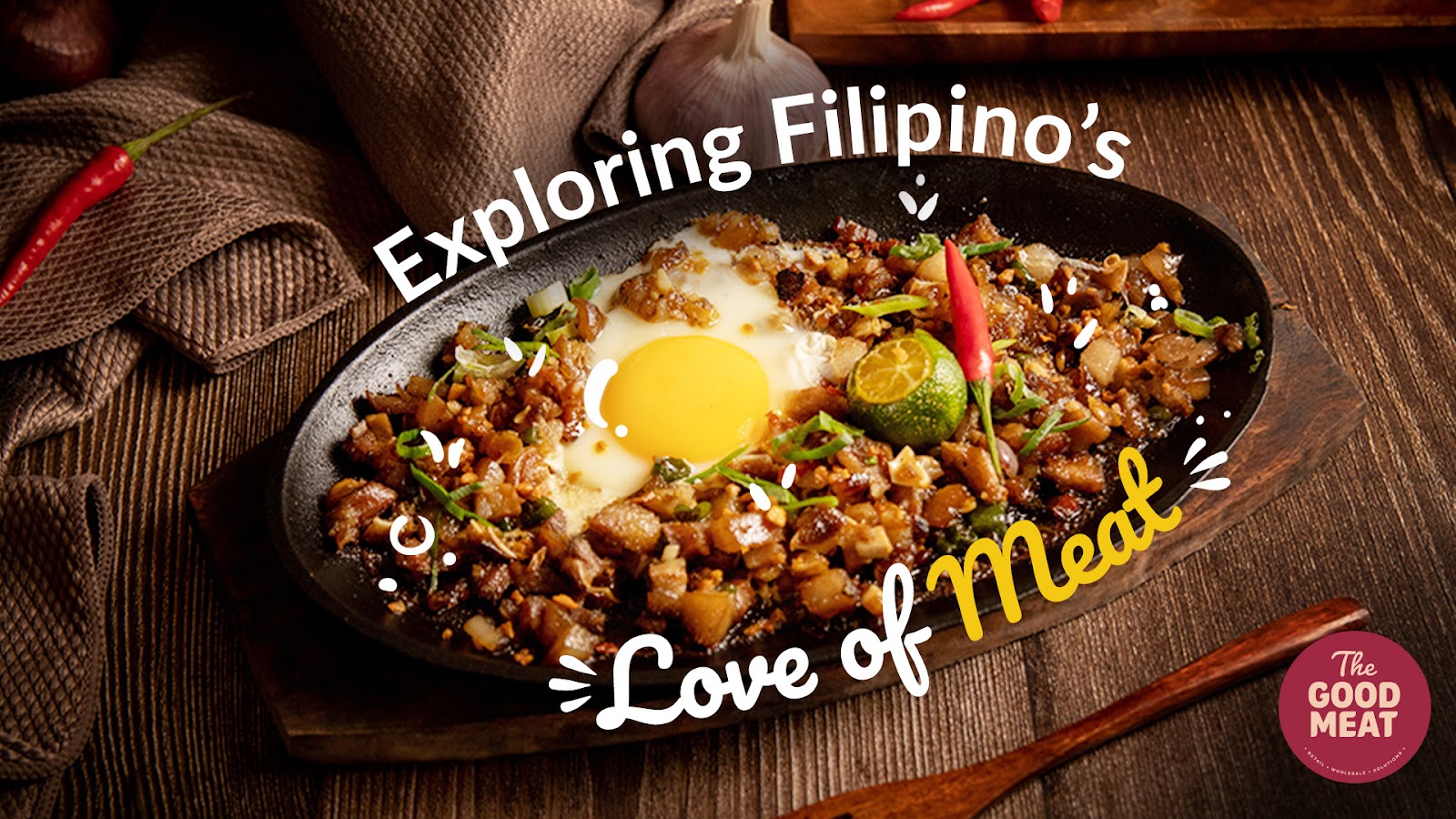
Exploring Filipinos Love of Meat
It is not a secret that we Pinoys love our meat. Most, if not all, restaurants in our country offer a variety of pork dishes. Some of the favorite pork dishes of Pinoys are Lechon, Sisig, and Pork Barbeque.
Let’s take a deeper look at why meat is so loved by Filipinos.
A Whole Lot of Meat
The Philippines is the 10th largest consumer, 8th largest producer, and 7th largest importer of pork worldwide. Pinoys consume around 25 kilograms of meat yearly, including 15 kgs of pork.
Next to pork, the average Filipino consumes about 11.6 kg of chicken and 3 kg of beef or veal. To add, unlimited grilled pork restaurants are mushrooming around the country. Understandably, each Pinoy has their own pork recipe to boot. Given this scenario, the swine industry is one of the most lucrative businesses.
Lechon, a spit-roasted whole pig, is a traditional centerpiece during Christmas in the Philippines. In special events like fiestas and weddings, a Filipino family will use a whole pig for different pork dishes. The preparation will start one to two days before the gatheringand serve as a venue for family, relatives, and friends to get together. They will prepare and cook the dishes together and then serve them at the event themselves.
It’s In Our Blood!
Historically, meats are of ritualistic importance. Long before the country was called the Philippines, pork was already a well-favored food source. Pigs are known to be indigenous in our country. The word “baboy” in Tagalog resembles Indonesian and Malaysian names for pork such as “babi” and “bawi” respectively. This proves that pork is a pre-colonial food source in Southeast Asian countries.
However, Spain also played an important role in our deep-rooted love for meat. When Spain conquered the country, they carried a sword, a cross, and a jamon. Fernando Zialcita, an anthropologist, stated that the pork consumption pattern is the same with Austronesians, the Philippines, and Hawaii and our love for pork has been with us from the beginning rather than influenced directly by colonizers. Truly, our love for pork is rooted in our ancestors and passed from generation to generation.
The Filipino’s love for pork will remain because of the meat’s versatility as a preferred dish for nearly every memorable event with friends and family. Because of this, it is essential to find a good source of juicy, tender pork with the ideal meat-to-fat ratio when serving home-cooked dishes to our loved ones. This is a meal that they will surely love.
References:
Pork Remains the Favorite in the Philippines. January 3, 2020. The Pig Site. Retrieved June 7, 2022, from The Pig Site
How Much Meat does the Filipino Consume? April 14, 2017. Rappler. Retrieved June 7, 2022, from Rappler
Frequently Asked Questions
Q1: Is the Filipino love for pork a product of colonial influence, or does it run deeper than history books suggest?
The affinity for pork predates Spanish colonization entirely. Pigs are indigenous to the Philippines, and the Tagalog word “baboy” closely mirrors Indonesian “babi” and Malaysian “bawi” — evidence of a shared pre-colonial food culture across Southeast Asia. Anthropologist Fernando Zialcita noted that pork consumption patterns align with Austronesian communities stretching to Hawaii, suggesting this preference was carried by ancestors long before any foreign power arrived on Philippine shores.
Q2: How significant is the Philippines’ pork industry on a global scale?
The Philippines ranks as the 10th largest pork consumer, 8th largest producer, and 7th largest importer of pork worldwide. The average Filipino consumes around 25 kilograms of meat annually, with pork accounting for roughly 15 kilograms of that total. Chicken follows at approximately 11.6 kilograms per person per year, and beef at around 3 kilograms. These figures place pork firmly at the center of the Filipino food economy and daily diet.
Q3: Why does lechon hold such an outsized cultural significance beyond simply being a popular dish?
Lechon — a whole spit-roasted pig — functions as more than food. It serves as a communal ritual that brings families together in the days leading up to a celebration. The preparation itself, typically beginning one to two days before a fiesta or wedding, becomes a bonding activity shared by family and friends. It signals abundance, hospitality, and festivity, making it the centerpiece of the most meaningful gatherings in Filipino social life.
Q4: What does the rise of unlimited grilled pork restaurants reveal about evolving Filipino food culture?
The proliferation of unlimited grilling restaurants across the Philippines reflects how deeply embedded pork consumption is in everyday life — not just special occasions. It signals a democratization of the meat feast experience, making the communal enjoyment of grilled pork accessible beyond fiestas and family events. It also points to a growing food service industry capitalizing on a culturally ingrained demand, where the enjoyment of pork has become a regular, social dining ritual rather than a reserved celebration.
Q5: When preparing pork-based dishes at home, what factor most determines the quality of the final meal?
The quality of the raw ingredient sets the ceiling for any dish. For pork-based Filipino recipes, finding cuts with the right meat-to-fat ratio is critical — too lean and the dish loses its signature richness, too fatty and it becomes heavy. Sourcing fresh pork from a trusted, reputable supplier ensures the meat is tender, juicy, and safe to cook. No recipe, regardless of skill or tradition, can fully compensate for poor quality starting material.
Related Stories
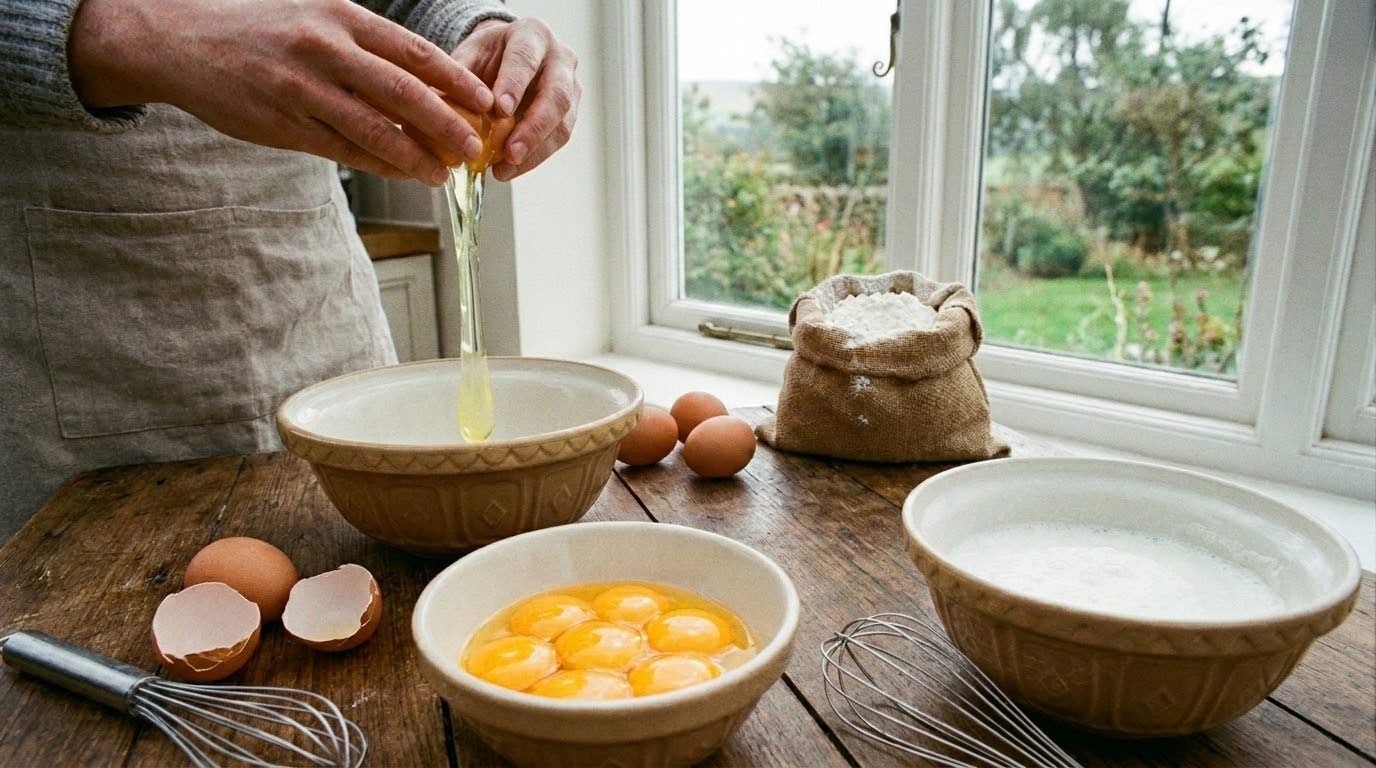
Why Eggs are the Secret to a Great Bake
Picture this: It’s a quiet Saturday morning. You’ve had your coffee, and you’re ready to
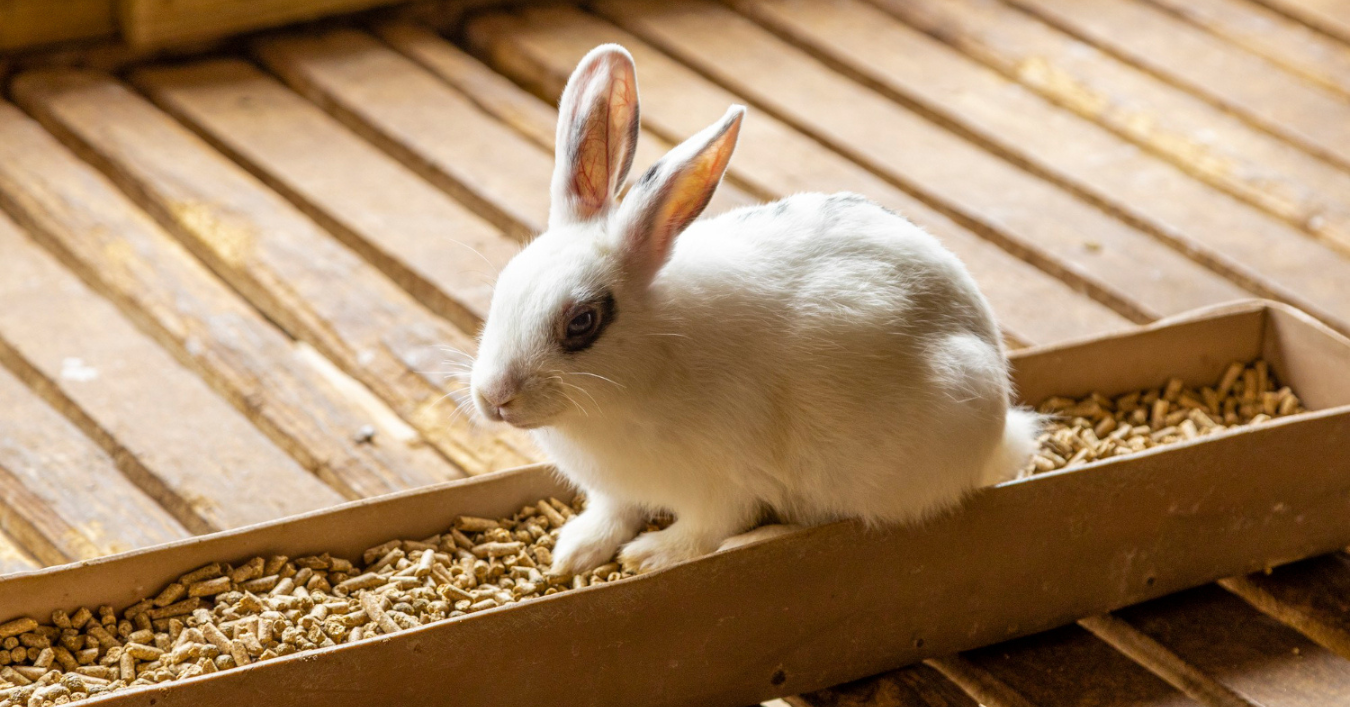
Hoppin’ into Success: A Guide to Launching Your Rabbit Farming Venture
Are you considering a venture into rabbit farming in the Philippines? You’re in the right

Pilmico Farms Earns Two Sustainability Awards from PCAPI
Pilmico Farms was recently recognized with two significant sustainability awards from the Pollution Control Association