
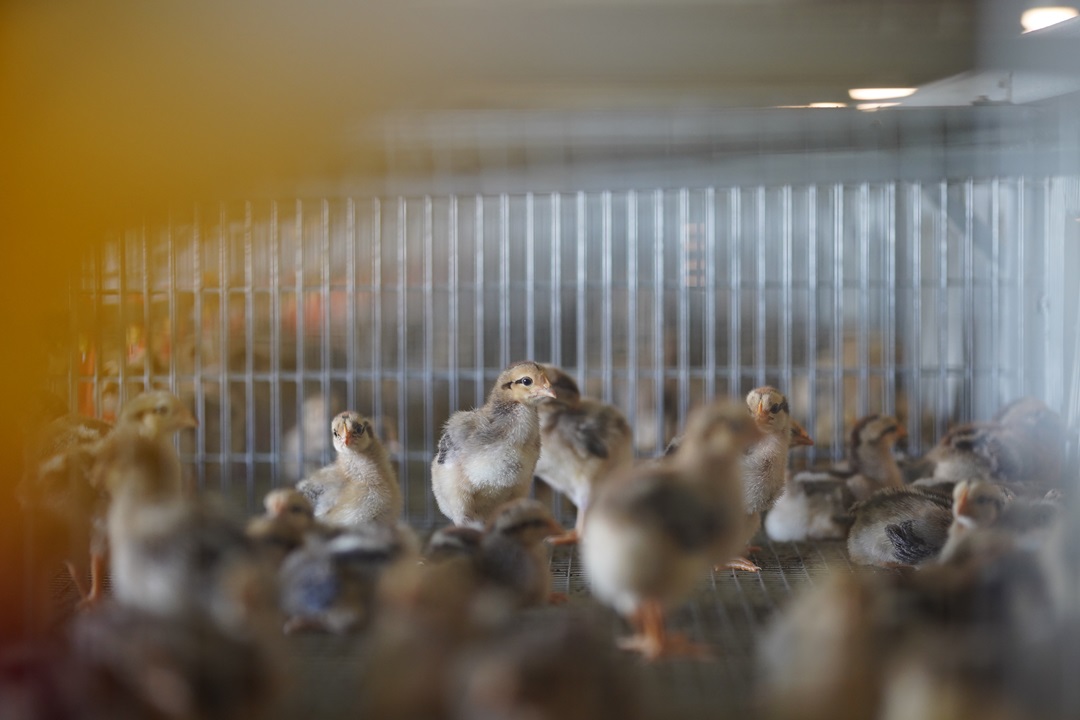
Eggs are widely regarded as one of the most nutritious and affordable protein sources available, making them a staple in diets across the world. Their cost-efficiency has made them accessible even to low-income families. However, efficient egg production has long prioritized female chicks, as they are the ones that lay eggs. Male chicks, on the other hand, are deemed economically unviable since they do not produce eggs and do not grow as efficiently as broilers for meat production. This surplus of male chicks has led to the common practice of chick culling, where approximately 6.5 billion male chicks worldwide are culled annually after hatching.
Ethical Concerns Surrounding Male Chick Culling
The practice of male chick culling—typically done through asphyxiation (gassing) or maceration—has long been a point of contention among animal welfare advocates. The stark contrast between the industry’s need for efficiency and the ethical concerns surrounding this practice has led to widespread criticism. In response, several countries have taken legislative action. Germany implemented a ban on large-scale chick culling in 2022, followed by France, which gave its poultry industry until the end of that year to cease the practice. Meanwhile, the United Egg Producers in the United States have committed to ending chick culling as soon as an economically viable alternative becomes available.
In the Philippines, this issue has not yet gained significant traction. Many hatcheries still follow conventional methods, and there are currently no formal initiatives to transition toward more ethical practices. However, given the global shift toward animal welfare-focused solutions, the question arises: should the Philippines consider alternative approaches?
Exploring Alternatives to Male Chick Culling
To address ethical concerns while maintaining economic feasibility, three main alternatives have been proposed:
• Influencing the sex ratio to favor females.
• Rearing male chicks for meat through dual-purpose breeds.
• Determining the sex of embryos in ovo before hatching.
I. Skewing the Sex Ratio in Favor of Females
Attempts to manipulate the sex ratio in favor of female chicks have been explored, though scientific evidence on this approach remains limited. Some industry claims suggest that exposing developing embryos to sound vibrations or controlling environmental humidity can lead to genetically male embryos developing female reproductive characteristics. This theory revolves around modifications to the DMRT1 gene, which plays a role in sexual differentiation. However, independent research has yet to validate these claims. While genetic mutations in the DMRT1 gene can cause male embryos to develop ovaries instead of testes, there is no conclusive evidence that such modifications lead to functional egg production in these altered males.
II. Rearing Male Chicks for Meat
An alternative approach is raising male chicks for meat, either through dual-purpose breeds or by keeping the male offspring of existing layer breeds.
Dual-Purpose Breeds
Historically, poultry production relied on dual-purpose breeds, where males were raised for meat and females for eggs. However, the modern poultry industry has moved toward specialization, with distinct genetic lines for egg-laying and meat production. Efforts to revive dual-purpose breeds have resulted in strains such as Lohmann Dual, Walesby Special, and Novogen Dual, which balance meat and egg production. While these breeds may not match the efficiency of specialized broilers or layers, they offer a more ethical alternative by eliminating the need for culling. Some dual-purpose breeds can reach a market weight of approximately 2.31 kilos, making them a viable option for meat production while still supporting egg supply.
Raising Male Layer Chicks
Rather than focusing on dual-purpose genetics, some producers opt to raise male chicks from traditional layer breeds for meat production. While this approach does not require genetic modifications, it presents economic challenges, as layer males have slower growth rates and lower meat yields than broilers. The additional costs associated with feeding and housing these birds often make this approach less commercially viable.
III. In Ovo Sexing: The Most Promising Solution
Among the proposed solutions, in ovo sexing stands out as the most scientifically advanced and widely accepted method. This technique involves determining the sex of an embryo before hatching, allowing male embryos to be removed early in development before they develop pain perception.
For in ovo sexing to be viable on an industrial scale, the method must be rapid, cost-efficient, and highly precise. Additionally, it should not negatively impact hatch rates or animal health. Ethical considerations also play a role—research suggests that chick embryos may not feel pain before day 12 of incubation. However, scientific debates continue regarding the exact threshold for pain perception. Some studies propose that embryos can experience discomfort as early as day 7, while others suggest it occurs later.
Several countries have begun implementing in ovo sexing technologies as an alternative to culling. Germany and France, for example, have incorporated in ovo sexing into their national policies, requiring hatcheries to adopt this method to eliminate the need for day-old chick culling. While the technology may increase the cost of hatching eggs, surveys indicate that consumers are willing to support this shift in exchange for more humane production practices.
Looking Ahead: The Future of In Ovo Sexing in the Philippines
The ethical and economic implications of chick culling continue to drive discussions globally. While European countries have refined in-ovo culling methods to minimize pain to the embryo, ethical concerns persist. JC Callano, Pilmico’s Veterinary Services and Technical Specialist notes that while in-ovo sexing may eventually gain wider adoption, including in the Philippines, acceptance will depend on clear communication about its purpose and cost-saving benefits.
Currently, the Philippines lacks the equipment and technical capabilities for in-ovo sexing. Instead, male broiler breeders are typically grown for meat, while male layer chicks are either sold for dishes like inasal or barbecue or, in some cases, culled when no buyers are available. Given these constraints, raising excess male chicks for meat remains the most viable alternative. This approach not only maximizes resource efficiency but also creates additional value within the poultry industry.
Callano notes that as global standards shift toward more ethical poultry production, the Philippines has an opportunity to adopt in-ovo sexing technologies in the coming years. He stated, “Investing in these innovations could align the local industry with international best practices, ensuring both economic sustainability and improved animal welfare. With ongoing research and technological advancements, in-ovo sexing has the potential to become a global standard. This could ultimately eliminate the need for male chick culling while maintaining efficiency and affordability in egg production.”
Frequently Asked Questions
Q1: Why are approximately 6.5 billion male chicks culled globally every year?
In commercial egg production, only female chicks lay eggs. Male chicks from layer breeds neither lay eggs nor grow efficiently enough for meat production to be economically competitive with specialized broiler breeds. With no profitable use in a system optimized for either laying or fast-growing meat birds, male chicks have historically been culled immediately after hatching — typically through gassing or maceration — at a scale of approximately 6.5 billion annually worldwide, making it one of the most significant animal welfare issues in modern food production.
Q2: What is in ovo sexing and why is it considered the most viable alternative to culling?
In ovo sexing determines the sex of a chick embryo before it hatches, allowing male eggs to be identified and removed early in incubation — before the embryo develops pain perception, estimated to occur after day 12. Unlike dual-purpose breeds or raising male layer chicks for meat, in ovo sexing does not require changes to existing breed genetics or production economics. It eliminates culling at the source, is scalable to industrial hatchery operations, and has already been incorporated into national policy in Germany and France as the required standard.
Q3: What are the limitations of dual-purpose breeds as an alternative to culling?
Dual-purpose breeds such as Lohmann Dual and Novogen Dual were developed to produce both eggs and meat from the same genetic line, eliminating the male culling problem by making male offspring commercially valuable. However, they cannot match the efficiency of specialized broilers for meat yield or specialized layers for egg output. The economic trade-off — slower growth rates, lower meat yields, and reduced laying performance — makes them less competitive in markets where production cost is a primary driver, limiting their widespread commercial adoption despite their ethical advantages.
Q4: How does the Philippine poultry industry currently handle male layer chicks?
The Philippines currently lacks the equipment and technical infrastructure for in ovo sexing. Male broiler breeders are typically grown out for meat, while male chicks from layer breeds are either sold for dishes such as inasal or barbecue, or culled when no buyers are available. There are currently no formal national initiatives pushing hatcheries toward more ethical alternatives. Raising excess male chicks for meat remains the most practical locally available solution — one that creates additional value while avoiding culling where market demand exists, though it does not fully resolve the welfare issue.
Q5: What would adoption of in ovo sexing require from the Philippine poultry industry?
Transitioning to in ovo sexing would require investment in specialized detection equipment, development of local technical capabilities, and clear industry communication about the method’s purpose and cost implications. While the technology increases the unit cost of hatching eggs, consumer surveys in countries that have adopted it indicate willingness to pay a premium for more humanely produced eggs. The broader shift in global standards — with European mandates already in place — means the Philippines faces a choice between proactive alignment with international best practices or reactive adoption later under greater external pressure.