
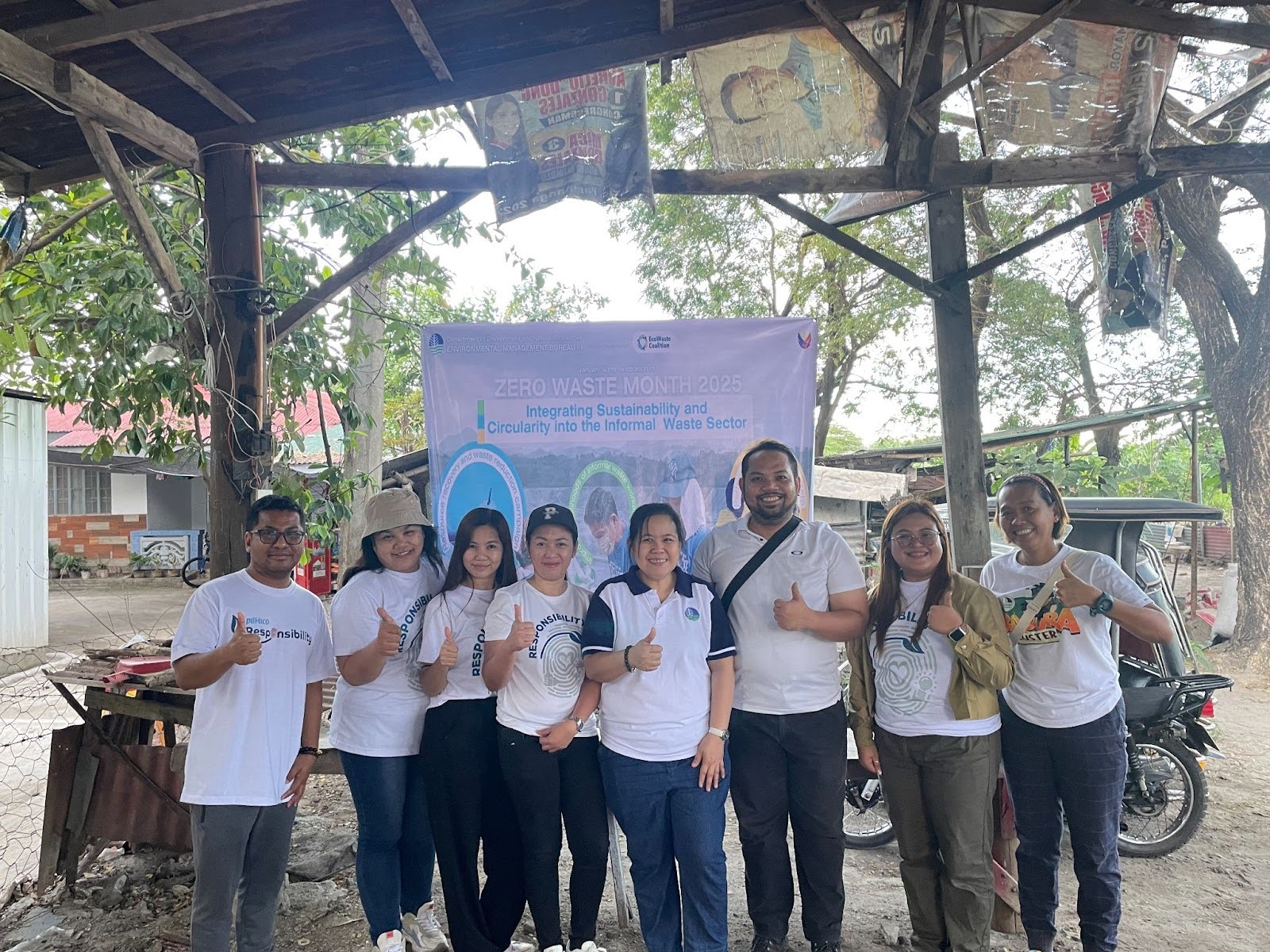
Pilmico joins National Push for Cleaner Communities through DILG’s KALINISAN Program
As part of Aboitiz Foods’ commitment to nourishing the future through sustainable practices, Pilmico Animal Nutrition Corporation actively participated in this year’s Zero Waste Month, joining the KALINISAN Program led by the Department of the Interior and Local Government (DILG).
With the theme “Integrating Sustainability and Circularity into the Informal Waste Sector,” the KALINISAN Program promotes environmental responsibility through activities such as cleanup drives and sustainable waste management education. The initiative encourages communities to work together in keeping their surroundings clean and healthy.
On January 18, Pilmico team members and volunteers gathered in Barangay Del Carmen, San Fernando, Pampanga, collecting a total of nine bags of assorted waste to support local sanitation efforts. In addition to the cleanup, Pilmico also donated 100 bottles of water and 100 pieces of bread to fellow volunteers from DENR EMB Region III.
This initiative reflects Aboitiz Foods and Pilmico’s dedication to sustainability, proving that corporate responsibility extends beyond business operations, creating meaningful, long-term impact for communities and the environment.
Frequently Asked Questions
Q1: What is the KALINISAN Program and what does it aim to achieve?
KALINISAN is a national environmental program led by the Department of the Interior and Local Government (DILG) aligned with Zero Waste Month observance in the Philippines. Its theme — “Integrating Sustainability and Circularity into the Informal Waste Sector” — signals a focus beyond surface-level cleanups toward systemic change in how waste is managed, particularly within informal waste-handling communities. Activities include cleanup drives and sustainable waste management education, designed to build lasting environmental habits rather than one-off civic gestures.
Q2: What did the Pilmico volunteer activity on January 18 actually involve?
Pilmico team members and volunteers gathered in Barangay Del Carmen, San Fernando, Pampanga to conduct a community cleanup, collecting nine bags of assorted waste in support of local sanitation efforts. Alongside the physical cleanup, Pilmico donated 100 bottles of water and 100 pieces of bread to fellow volunteers from DENR EMB Region III — a practical gesture of solidarity that recognized the physical effort of all participants, not just Pilmico’s own team.
Q3: Why does the “circularity” focus of this year’s theme matter for waste management?
A circular approach to waste treats discarded materials as resources to be recovered and reused rather than problems to be buried or burned. Integrating circularity into the informal waste sector — which includes waste pickers and small-scale recyclers — acknowledges that these communities already perform a vital environmental function, often without formal recognition or support. A program that builds on their existing practices, rather than bypassing them, creates more sustainable and socially equitable waste management outcomes than infrastructure-only solutions.
Q4: What does corporate participation in government-led environmental programs signal?
When a private company joins a government-initiated environmental program rather than running a parallel standalone initiative, it amplifies the program’s reach while demonstrating genuine alignment with public sustainability goals — not just brand-building. Participating through employee volunteers in an actual community site, rather than issuing a statement or making a financial contribution from a distance, creates direct, visible impact. It also models for employees that sustainability is an active organizational value, not a communications exercise.
Q5: What is the broader takeaway about corporate environmental responsibility?
Meaningful environmental responsibility requires consistent, ground-level participation — not just policy statements or annual reports. Showing up physically in a community barangay, collecting waste, and supporting fellow volunteers with basic provisions demonstrates that sustainability commitment is embedded in day-to-day employee behavior. For agribusiness companies whose supply chains are deeply dependent on healthy land and water systems, environmental stewardship is not just ethical — it is foundational to the long-term viability of the business itself.
Related Stories

5 Steps Every Paw-rent Can Follow When Switching to New Dog Food
Thinking of changing the kind of food you feed your floof babies? Well, it won’t
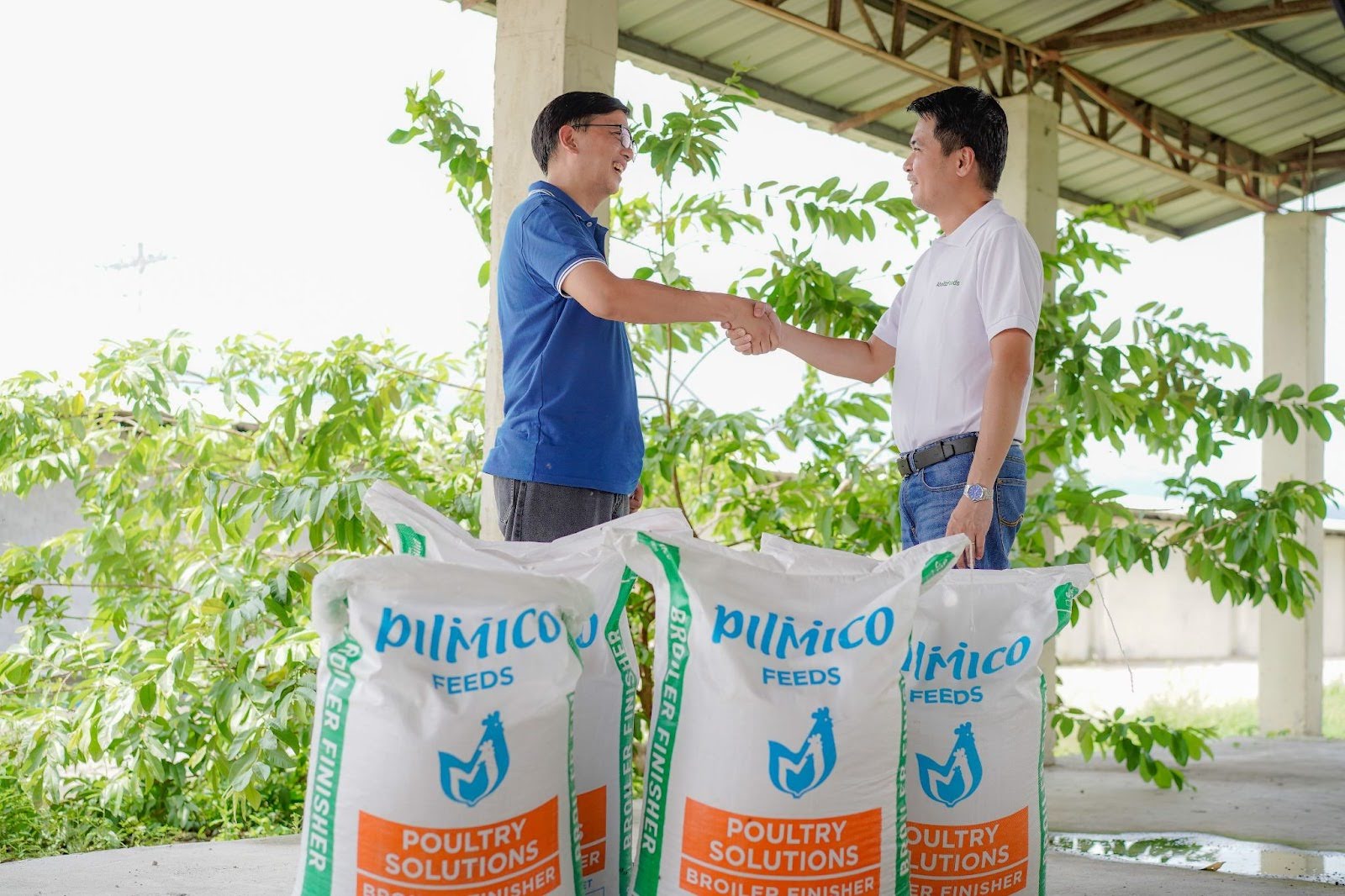
Aboitiz Foods Supports Poultry Sector Through Innovation and Partnership
MANILA | September 2025 – Poultry has remained one of the most widely consumed sources
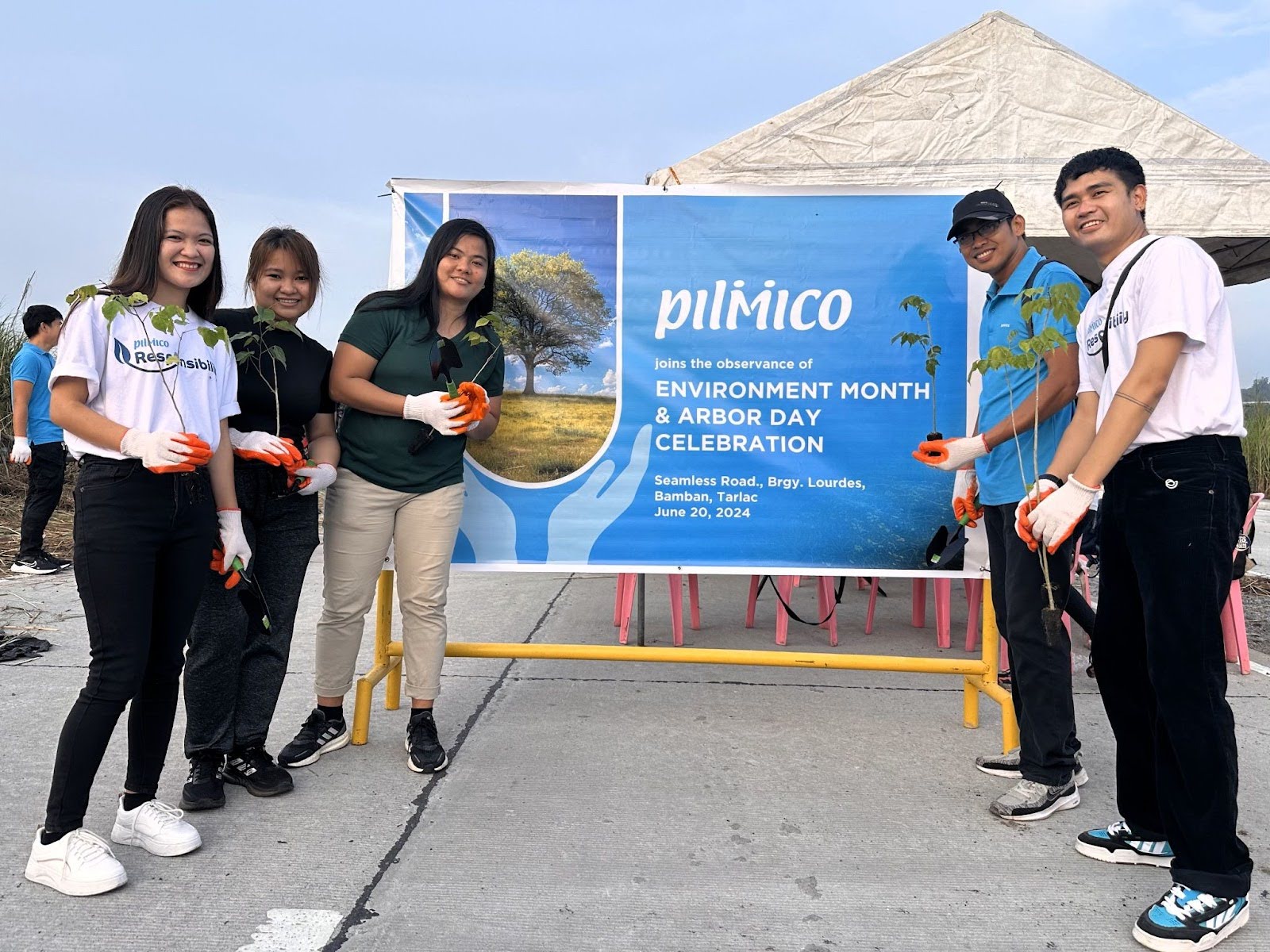
Pilmico champions environmental stewardship for National Environment Month
Pilmico joins National Environment Month with nationwide tree-planting initiative. In June, various teams of Pilmico