
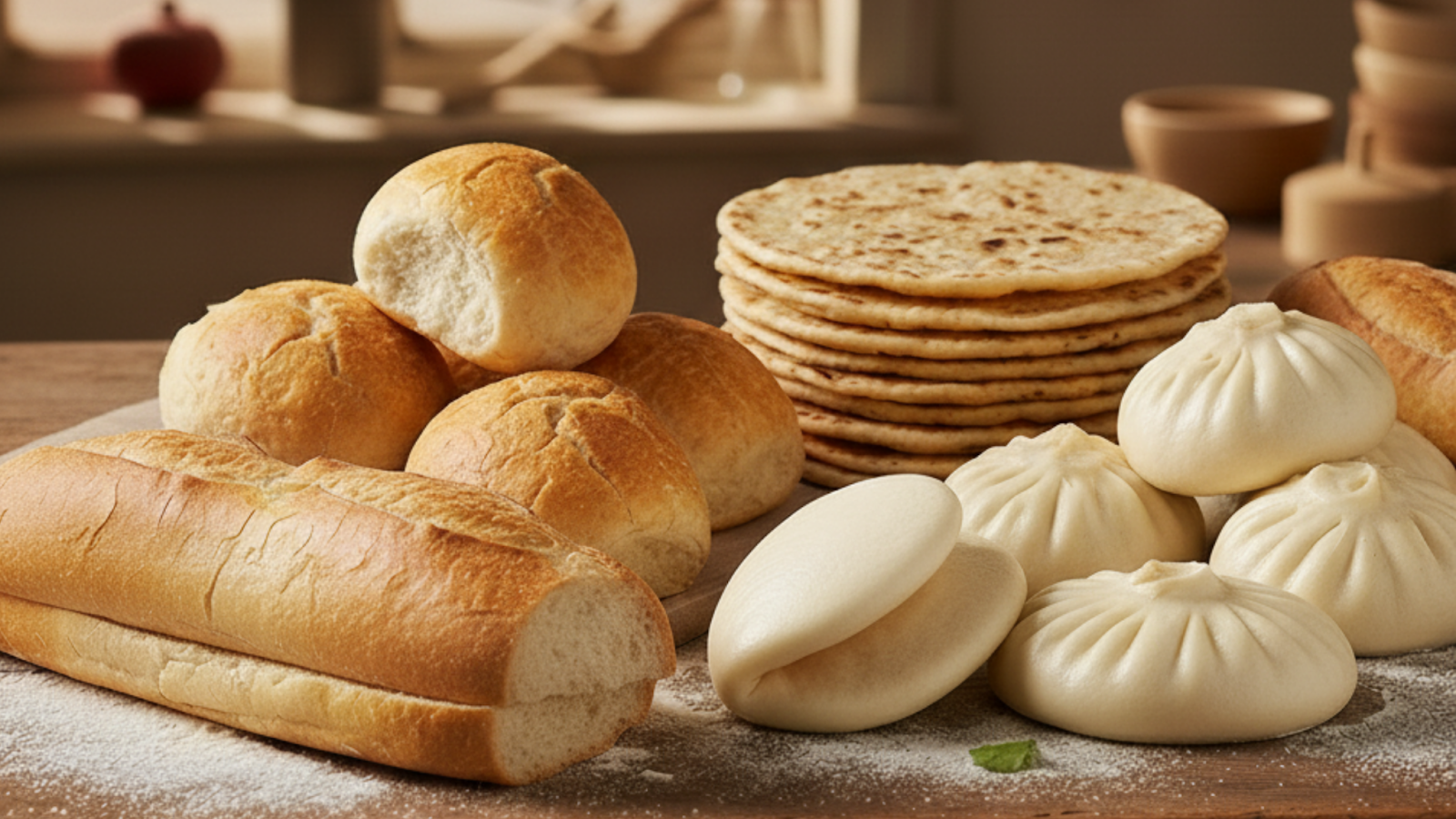
Breads That Bring Us Together: Celebrating World Bread Day Across Asia Pacific
Bread may be simple–just flour and a few ingredients–yet it holds so much meaning. Across the world, bread has been a symbol of nourishment, and comfort.. This World Bread Day, we celebrate not only the food but also the traditions that rise with every loaf.In Asia, bread takes on many forms—soft, crisp, steamed, or layered—each reflecting the rich cultures that make the region so diverse. Let’s discover the different types of bread that connect us through flavor, history, and heart.
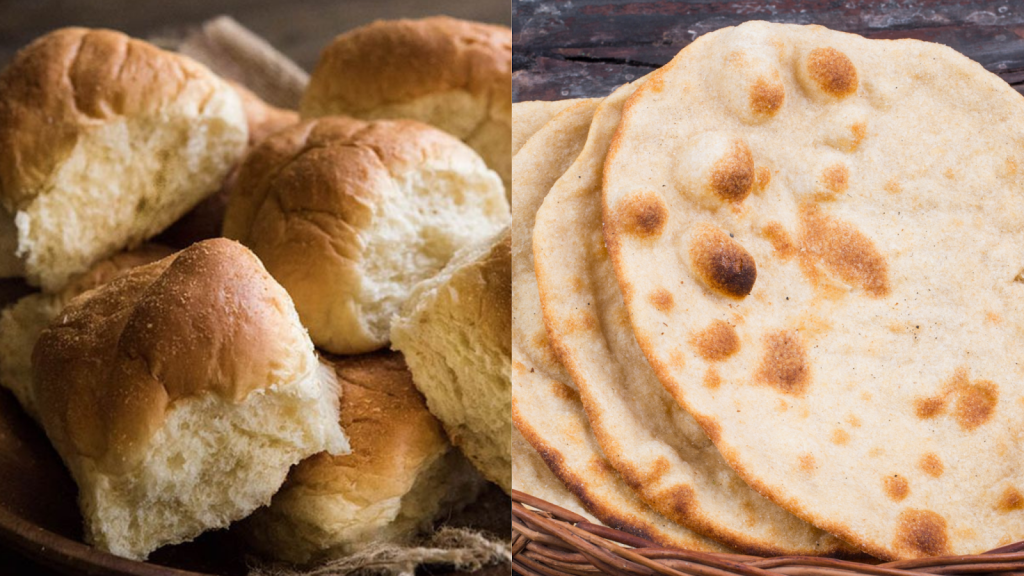
The Philippines – Pandesal: A Taste of Home
A typical Filipino morning feels complete with a warm, golden pandesal. It’s soft, slightly sweet, and dusted with breadcrumbs; it’s the bread that has fueled generations of Filipino breakfasts.
Pandesal is comfort in its simplest form — the scent of freshly baked bread before sunrise, the warmth shared over a cup of coffee, and the simple joy of pairing it with cheese, peanut butter, or corned beef.
Beyond its simple ingredients, pandesal carries a story of resilience and togetherness. It reminds us that even the simplest things can bring people closer: one bite, one morning at a time.
Malaysia & Indonesia – Roti: Versatile and Vibrant
In Malaysia and Indonesia, roti comes in countless forms, ranging from flaky, buttery roti canai to thick, grilled roti bakar.
Roti embodies a seamless fusion of influences from Indian, Malay, and Indonesian cuisines. Whether enjoyed with spicy curry or a drizzle of condensed milk, roti is a symbol of versatility and connection. It’s the kind of bread that brings people together at roadside stalls, bustling markets, and family tables.
Vietnam – Bánh Mì: East Meets West
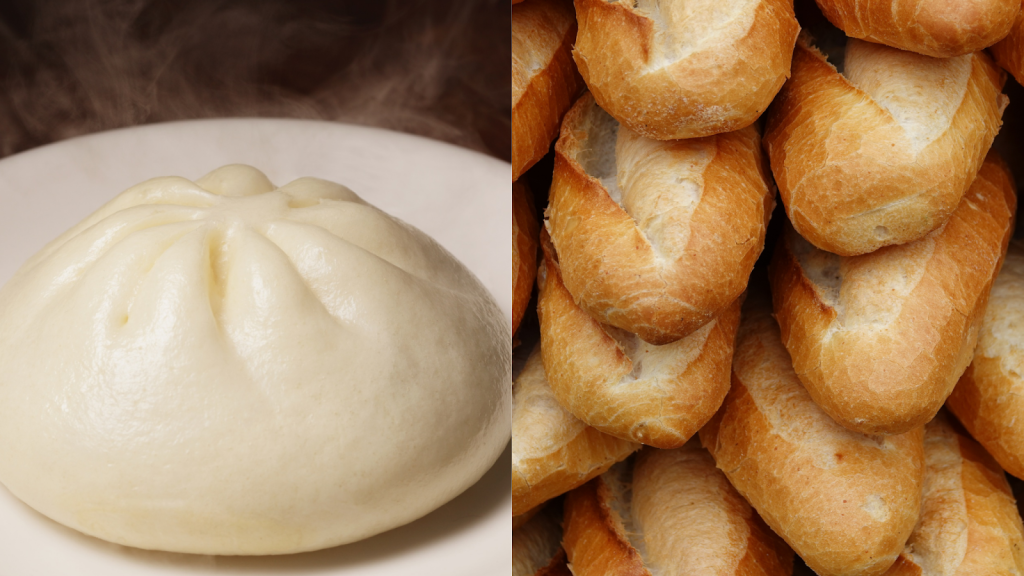
Vietnam’s bánh mì is a remarkable example of cultural fusion. Introduced through the French baguette, it was reimagined with local ingredients and flavors, becoming a uniquely Vietnamese creation — crisp crust and soft interior filled with savory meats, pickled vegetables, and fresh herbs.
Every bite tells a story of adaptation and creativity. What began as a colonial introduction has become a symbol of Vietnamese ingenuity and and a foodie favorite. Bánh mì illustrates how bread can evolve and embrace change, just like the people who make and share it.
China – Bao and Mantou: Tradition in Every Bite
In China, bread takes a softer form — steamed instead of baked. Mantou, the plain white bun, and baozi, its filled counterpart, are staples across northern China.
Light, fluffy, and subtly sweet, mantou is often served alongside savory dishes, while baozi bursts with flavors like pork, red bean, or vegetables. Both of these dishes have deep roots in Chinese history and are often shared during family gatherings and festivals. Each bite reflects tradition, unity, and the joy of coming together.
Bread as a Common Thread
From the Philippines to China, Malaysia, and Vietnam, each country has its own way of kneading, steaming, or baking bread, but they all share the same essence. Bread nourishes us, comforts us, and brings us closer. It’s a reminder that despite our different languages and tastes, we share something beautifully simple: the love of good food and the connections it creates.
Through Pilmico Flour, we believe that every baker, from the smallest neighborhood panaderya to large-scale producers, plays a vital role in bringing this sense of connection to life.
Pilmico Flour’s legacy began overover six decades ago in Iligan City, Misamis Oriental—with an initial capacity of 12,000 bags of flour daily,we have ensured consistent quality from the moment wheat is sourced until it reaches the hands of the regional baker.
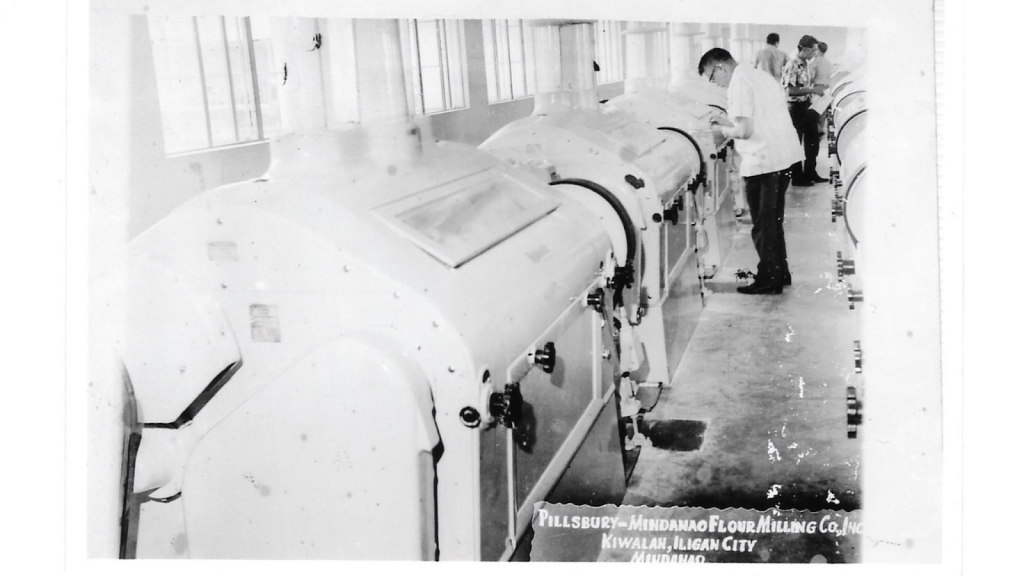
The Flour mill was established in 1962 as Pilsbury-Mindanao Flour Milling Corporation in Kiwalan Cove, Iligan, Misamis Oriental.
Pilmico proudly carries this heritage forward by supporting the local baking community. We ensure a reliable supply of high-quality flour, empowering a new generation of entrepreneurs to cultivate their craft and create sustainable livelihoods for their communities.
As we celebrate World Bread Day, Pilmico stands with every baker whose passion brings people together — proving that behind every great bread is great flour, purpose, and partnership.
Frequently Asked Questions
Q1. What is World Bread Day and when is it celebrated?
World Bread Day is an annual global observance held every October 16, dedicated to honoring bread as a universal symbol of nourishment, comfort, and human connection. It recognizes the role bread plays not just as a food staple but as a cultural anchor across civilizations – from ancient grain traditions to the modern artisan baking movement. The day invites bakers, consumers, and food communities worldwide to reflect on bread’s place in daily life and celebrate the diversity of bread cultures that exist across regions and countries.
Q2. How does bread differ across the Asia-Pacific countries covered in this article?
Four distinct bread traditions are highlighted. The Philippines is represented by pandesal – soft, slightly sweet rolls dusted with breadcrumbs, a staple of Filipino breakfast culture. Malaysia and Indonesia contribute roti in forms ranging from flaky roti canai to grilled roti bakar, reflecting Indian, Malay, and Indonesian culinary fusion. Vietnam offers banh mi – a crisp-crusted roll born from a French baguette tradition but fully reimagined with local fillings. China brings mantou and baozi – steamed rather than baked, reflecting a fundamentally different bread-making tradition built around communal gathering and festive occasions.
Q3. What does the story of banh mi illustrate about bread and cultural identity?
Banh mi began as a colonial introduction – the French baguette brought to Vietnam – but was progressively reimagined by Vietnamese bakers and vendors who adapted the form with local meats, pickled vegetables, and fresh herbs. The result is a bread that is no longer French in character but distinctly Vietnamese. Its story illustrates that bread is not a fixed cultural artifact but a living form that absorbs, adapts, and reflects the ingenuity of the people who make it. Cultural contact, rather than diluting food identity, can produce entirely new culinary traditions with deep local meaning.
Q4. What is Pilmico’s historical role in Philippine and regional bread making?
Pilmico’s flour milling legacy began over six decades ago with the establishment of the Pilsbury-Mindanao Flour Milling Corporation in Kiwalan Cove, Iligan, Misamis Oriental in 1962 – starting with an initial daily capacity of 12,000 bags of flour. Since then, the company has maintained consistent quality from wheat sourcing through to delivery to regional bakers. Pilmico is also recognized as the first Halal-certified flour company in the Philippines, a status maintained since 2009, and produces a range of premium flour varieties covering soft wheat, hard wheat, and specialty applications.
Q5. What are the key takeaways from this World Bread Day feature?
Three themes emerge. First, bread is a cultural mirror – each country’s bread tradition reveals something specific about its history, trade routes, colonial encounters, and communal values, making bread one of the most readable expressions of cultural identity in food. Second, diversity in bread-making methods is a strength, not a division – steamed, baked, grilled, and filled breads all qualify as bread because the definition is rooted in human need and ingenuity rather than a single technique. Third, quality flour is the foundation beneath every bread tradition – the farmer, the miller, and the baker together form the supply chain that makes local bread culture possible and sustainable.
Related Stories
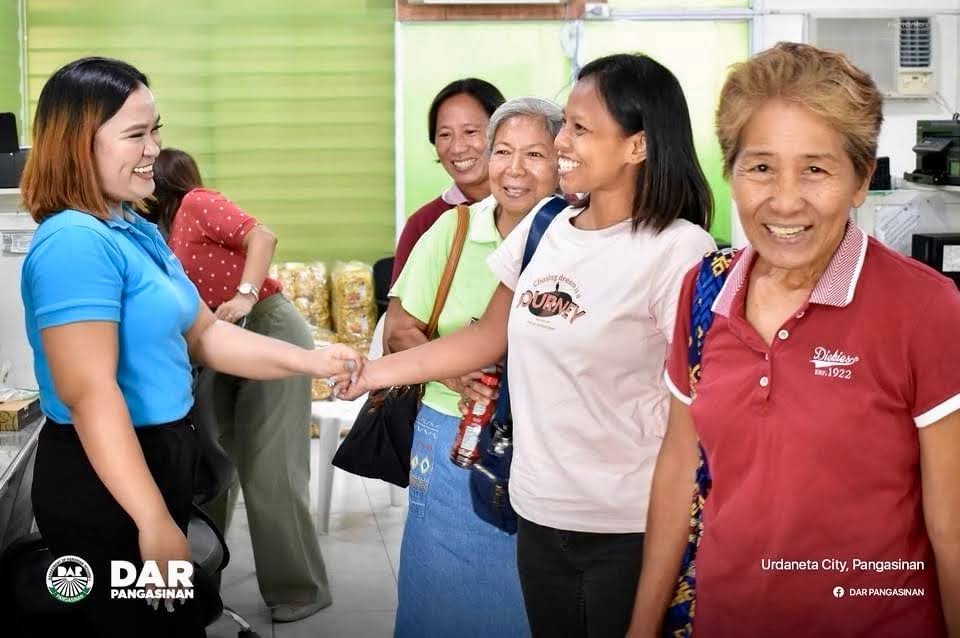
Pilmico and Aboitiz Foundation empower Agrarian Reform Beneficiaries through bakery livelihood opportunities
Pilmico Animal Nutrition Corporation (Pilmico) and Aboitiz Foundation, Inc. (Aboitiz Foundation) provide bakery livelihood opportunities
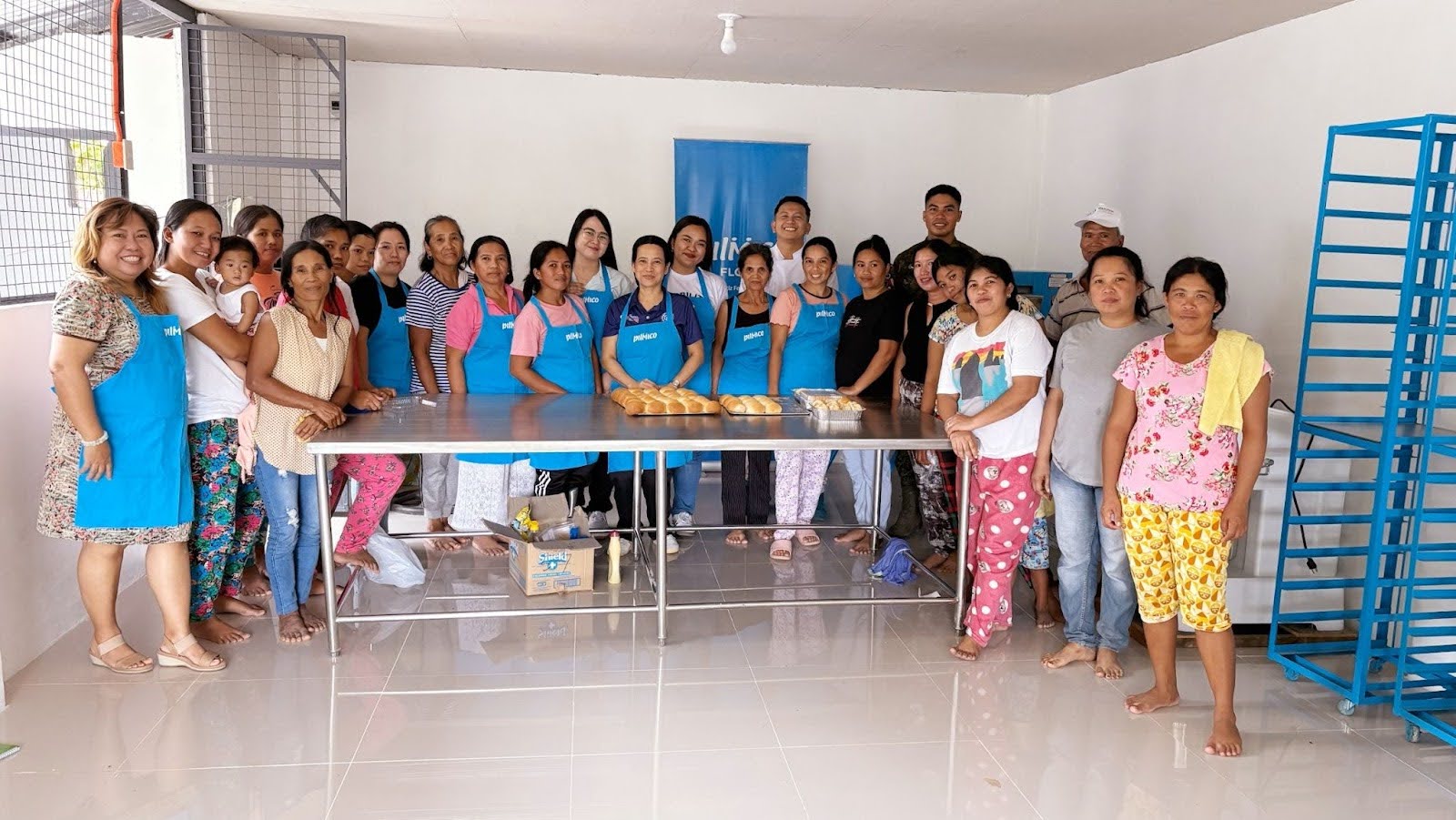
Kneading Hope: Pilmico empowers Sitio Tala through livelihood project
In the heart of San Jose, Tarlac, a brighter future is beginning to rise, where
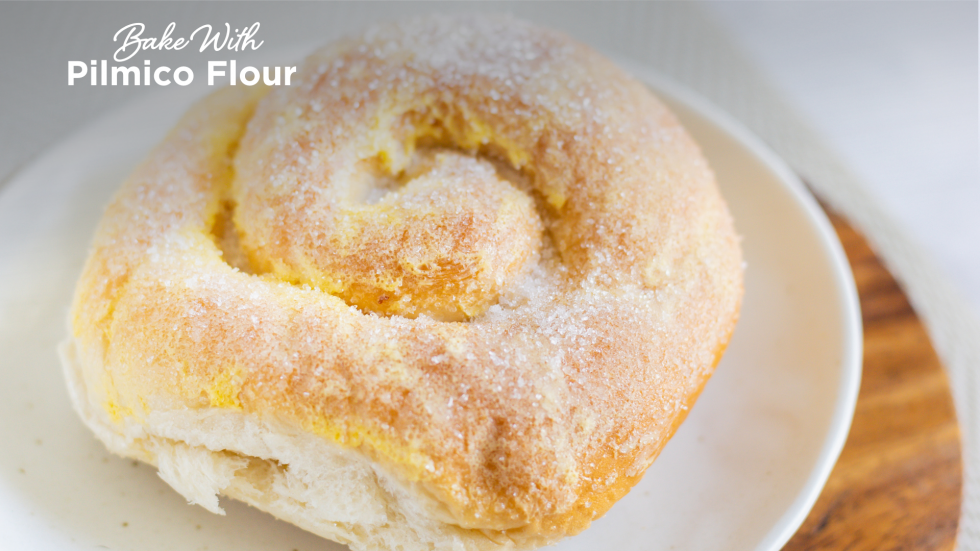
Bake with Pilmico Flour: Soft Ensaymada
How do strong hands make the softest bread? We’ll show you! Here’s a flexible panaderia