
The Egg-cellent Journey of an Egg: A Guide to Healthy Hens and Productive Flocks
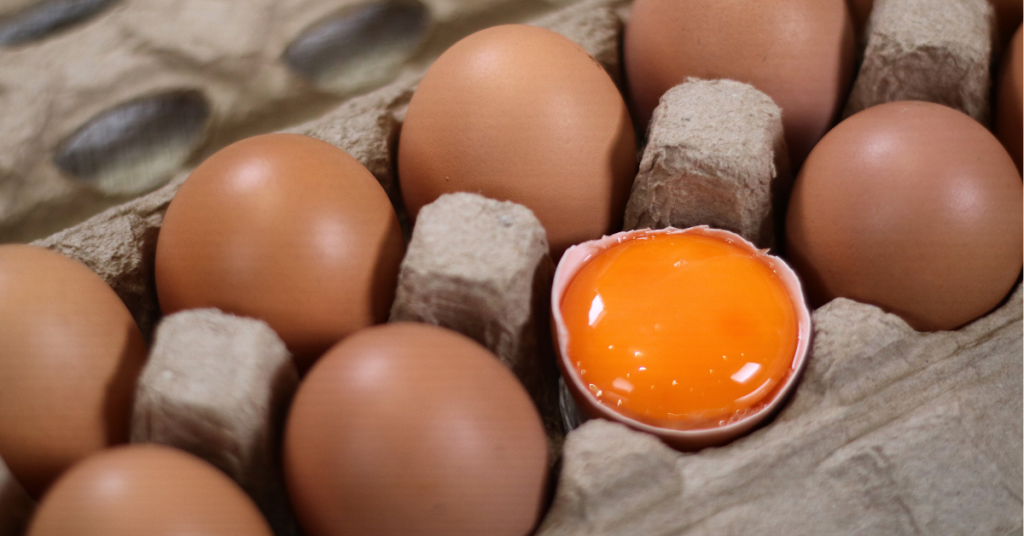
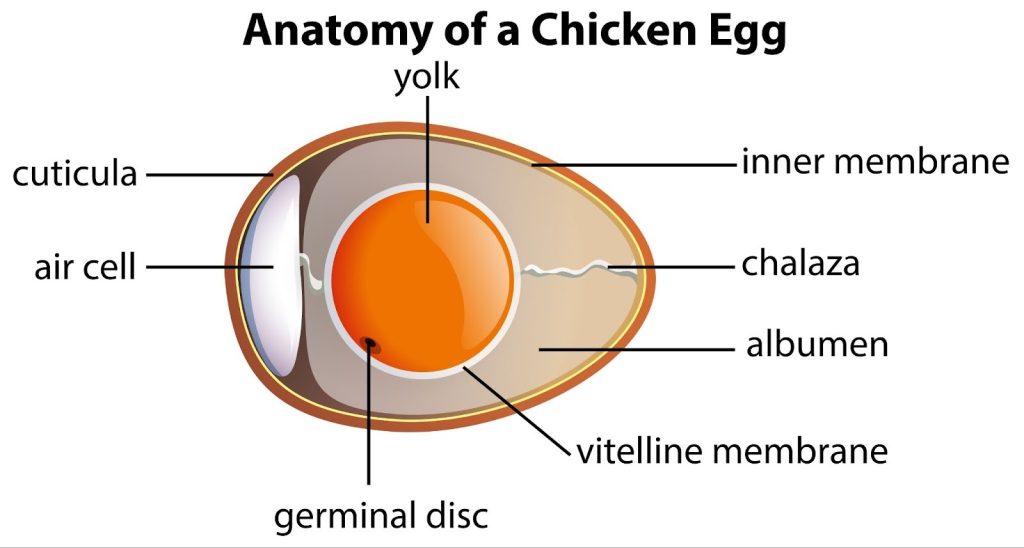
The process begins in the ovary, where the yolk, also known as the oocyte, is formed. Once mature, it is released into the oviduct – a long, coiled tube that guides the egg through its stages of development.
15–18 minutes: Upon release, the yolk travels into the infundibulum, the first part of the oviduct. Fertilization (if it occurs) happens here, but even unfertilized eggs will continue the journey. This initial phase lasts around 15 to 18 minutes.
2–3 hours: Next, the egg white, or albumen, is added. As the yolk spins through the magnum portion of the oviduct, layers of protein form around it. Specialized structures called the chalazae also develop at this stage, which are twisted strands that help center the yolk and keep it stable.
75 minutes: Two shell membranes are formed in the isthmus. These will act as critical barriers, providing structural support and an added layer of protection.
18–20 hours: The majority of the egg’s time is spent in the uterus, also known as the shell gland, where the outer shell takes shape. Composed mainly of calcium carbonate, the shell is both sturdy and porous, strong enough to protect yet breathable enough to support potential life. Just before the egg is laid, it receives a final coating known as the bloom or cuticle. This natural barrier helps prevent bacteria from entering and preserves the egg’s freshness.
A few minutes: Finally, through a series of rhythmic muscle contractions, the egg moves through the cloaca and is then laid. The entire process, from ovulation to laying, takes roughly 24 to 26 hours and begins anew soon after.
Supporting This Natural Process Through Better Nutrition
Understanding how a hen lays an egg is more than just a biology lesson; it’s a valuable insight into how we can better support their health and productivity. For farmers, the daily reality includes navigating challenges like fluctuating feed costs, disease prevention, and the need to deliver consistent, high-quality eggs.
This is where the right feed becomes crucial.
Poultry Express Chicken Layex Feeds is formulated to meet these very needs. More than just nourishment, it provides a complete nutritional strategy. Enriched with a Vitamin C Boost, it primarily supports the hen’s immune response and stress resilience, helping maintain performance in challenging conditions. This added support leads to enhanced growth, improved feed efficiency, stronger skeletal development, higher survival rates, and optimized egg production with better egg and shell quality as a result of improved overall health. The outcome: healthier, more resilient hens with consistent laying patterns, driving greater sustainability and profitability for your farm.
Thrive With Knowledge, Thrive With the Right Feed
Every egg tells a story of precision, care, and biology at work. As stewards of your flock, the more you understand this process, the better equipped you are to make informed choices that benefit both your birds and your livelihood.
Choose Poultry Express Chicken Layex Feeds—because when your flock thrives, so does your future.
Frequently Asked Questions
Q1: What happens inside a hen’s body during the 24-to-26-hour egg-laying cycle?
After the yolk forms in the ovary, it travels through five distinct stages of the oviduct. Albumen is added over 2 to 3 hours in the magnum, shell membranes form in the isthmus in 75 minutes, and the hard calcium carbonate shell develops over 18 to 20 hours in the shell gland. A protective bloom coating is applied just before laying. The entire cycle restarts almost immediately after each egg is laid.
Q2: What is the bloom and why should farmers care about it?
The bloom — also called the cuticle — is a natural antibacterial coating applied to the egg’s outer shell moments before laying. It seals the shell’s pores, blocking bacterial entry and preserving freshness without refrigeration. For farmers supplying eggs to market, the bloom is a critical quality indicator. Anything that disrupts hen health during the final stage of egg formation can compromise bloom integrity, directly affecting the safety and shelf life of the eggs produced.
Q3: How does understanding egg biology make a farmer more effective?
Each stage of egg formation draws on specific nutrients circulating in the hen’s system. When farmers understand what is happening biologically at each point — yolk development, albumen layering, shell calcification — they can identify what their hens need nutritionally to complete that cycle consistently. This moves flock management from reactive problem-solving to proactive support, enabling better decisions around feed selection, stress reduction, and disease prevention before productivity problems emerge.
Q4: What role does Vitamin C play in supporting laying hens?
Vitamin C strengthens immune response and helps hens manage physiological stress — a significant factor in laying performance. Under stressful conditions such as heat, overcrowding, or disease pressure, hens often reduce or stop laying. Feeds enriched with Vitamin C help maintain performance during these periods by supporting resilience at a cellular level. The downstream effects include stronger skeletal development, better shell quality, higher survival rates, and more consistent laying patterns across the flock.
Q5: What is the practical bottom line for poultry farmers managing laying flocks?
Egg production is a precise, resource-intensive biological process that repeats every 24 to 26 hours. Any gap in nutrition, health management, or environmental conditions interrupts that cycle and shows up as reduced output, poor shell quality, or higher mortality. Farmers who treat feed quality as a foundational investment — rather than a variable cost to be minimized — are better positioned to achieve consistent laying performance, lower losses, and stronger long-term profitability from their flocks.
Related Stories
How to Raise Hogs from Farm to Table: A Guide for Commercial Hog Farmers
When it comes to commercial hog farming, meticulous planning is essential to ensure you have
Aboitiz Foods Supports Poultry Sector Through Innovation and Partnership
MANILA | September 2025 – Poultry has remained one of the most widely consumed sources
Hoppin’ into Success: A Guide to Launching Your Rabbit Farming Venture
Are you considering a venture into rabbit farming in the Philippines? You’re in the right