
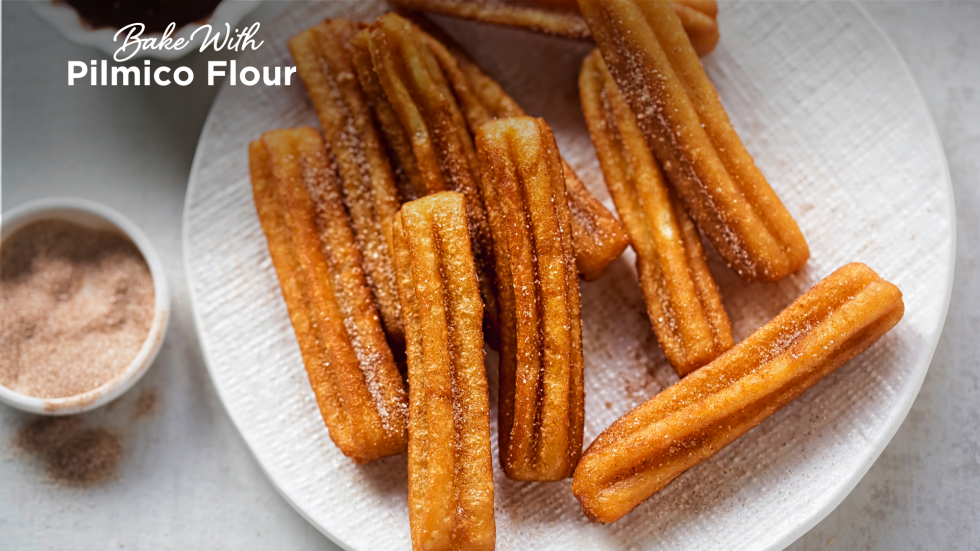
Bake with Pilmico Flour: Churros Recipe
Restaurant-style churros at home? Why not! Craft this popular Spanish dessert right at home with our Wooden Spoon 1kg All-Purpose Flour and farm fresh eggs from Pilmico Farms.
INGREDIENTS:
280g Water
112.5g (½ bar) Butter, Unsalted
30g White Sugar
3g Iodized Salt
200g Wooden Spoon All-Purpose Flour
3 large Pilmico Farms fresh eggs
1tsp Cinnamon Powder
PROCEDURE
1. Bring to a boil a mixture of water, butter, sugar, and salt, and then remove from heat.
2. Add Wooden Spoon All-Purpose Flour, and mix until it forms a single lump
3. Transfer mixture into a mixing bowl. Using a paddle attachment, mix until lukewarm.
4. Add in the 3 eggs one by one.
5. Transfer in a double XL thick plastic piping bag, with large star tip.
6. Place flat on a tray, then chill in the refrigerator. Be careful not to push the batter to the edge of the bag.
7. Chill for 20 minutes, or until the batter does not flow out of the tip too much.
8. When chilled, arrange the batter back in piping form.
9. Heat frying oil in a deep pan, ideally the oil should be around 4 inches deep.
10. Ready a kitchen scissor by dipping the blade in oil.
11. With one hand, pipe out 3 inches to 4 inches of the batter on top of the frying oil. Do not position too high from the frying oil, so as to not splatter the oil.
12. Turn the churros as needed. Fry to a golden brown.
13. Place the fried churros on kitchen paper towels to drain the excess oil.
14. Roll on to mixed sugar and cinnamon powder.
15. Serve and enjoy!
Frequently Asked Questions
Q1. What kind of dough technique does this churros recipe use, and why does it matter?
This recipe uses a choux pastry method – a cooked dough technique where flour is added directly to a boiling mixture of water, butter, sugar, and salt to form a tight lump, then eggs are incorporated one by one after cooling. The cooking process gelatinizes the starch in the flour, creating a dough that is dense enough to hold its piped star shape during frying while still producing a light, slightly hollow interior. It is fundamentally different from bread or cake batter and requires no yeast or chemical leaveners.
Q2. Why must the dough be cooled before the eggs are added?
Eggs must be added only after the dough has cooled to lukewarm, and this is not optional. Adding eggs to hot dough causes them to scramble and cook prematurely, producing lumps and an inconsistent texture rather than a smooth, uniform batter. The paddle attachment on the mixer is used specifically to cool the dough down through agitation while keeping it moving. Each egg is added one by one rather than all at once to allow full absorption into the dough at each stage before the next is introduced.
Q3. Why is chilling the batter in the piping bag a necessary step before frying?
Chilling the piped batter in the refrigerator for at least 20 minutes firms up the dough so it holds its shape when piped directly over hot oil. Unchilled batter is too soft and flows freely out of the piping tip, making it difficult to control the length of each churro and increasing the risk of misshapen pieces that cook unevenly. The recipe also specifically cautions against pushing the batter to the edge of the bag during chilling, as doing so deforms the batter before frying even begins.
Q4. What oil safety precautions does this recipe include and why are they important?
Two specific oil safety measures are built into the procedure. First, the oil should be approximately four inches deep in the pan – this ensures the churros are fully submerged for even cooking rather than only half-cooked on the underside. Second, the batter should be piped as close to the oil surface as possible rather than from height, to prevent hot oil splatter. Dipping kitchen scissors in oil before cutting the piped batter is also specified – a dry blade drags the dough and can cause the batter to snap back toward the oil unpredictably.
Q5. What are the key takeaways for making restaurant-quality churros at home?
Three things are non-negotiable for success. First, the dough must be cooked correctly on the stovetop before any eggs are added – the flour must fully hydrate and gelatinize in the hot liquid to form the right base structure. Second, temperature management matters at every stage: the dough must cool before eggs go in, and the batter must chill before frying. Third, the cinnamon-sugar coating should be applied immediately after frying while the churros are still hot and slightly oily – the residual surface moisture and heat help the coating adhere properly.
Related Stories
The Only Flour You Need for the Holidays: Wooden Spoon’s Multi-Purpose Magic
The holiday season in the Philippines is a vibrant mix of emotions: the joy of
Rain or Shine: How Weather Affects Your Flour
Imagine baking a fresh batch of chocolate chip cookies using a recipe you have mastered.
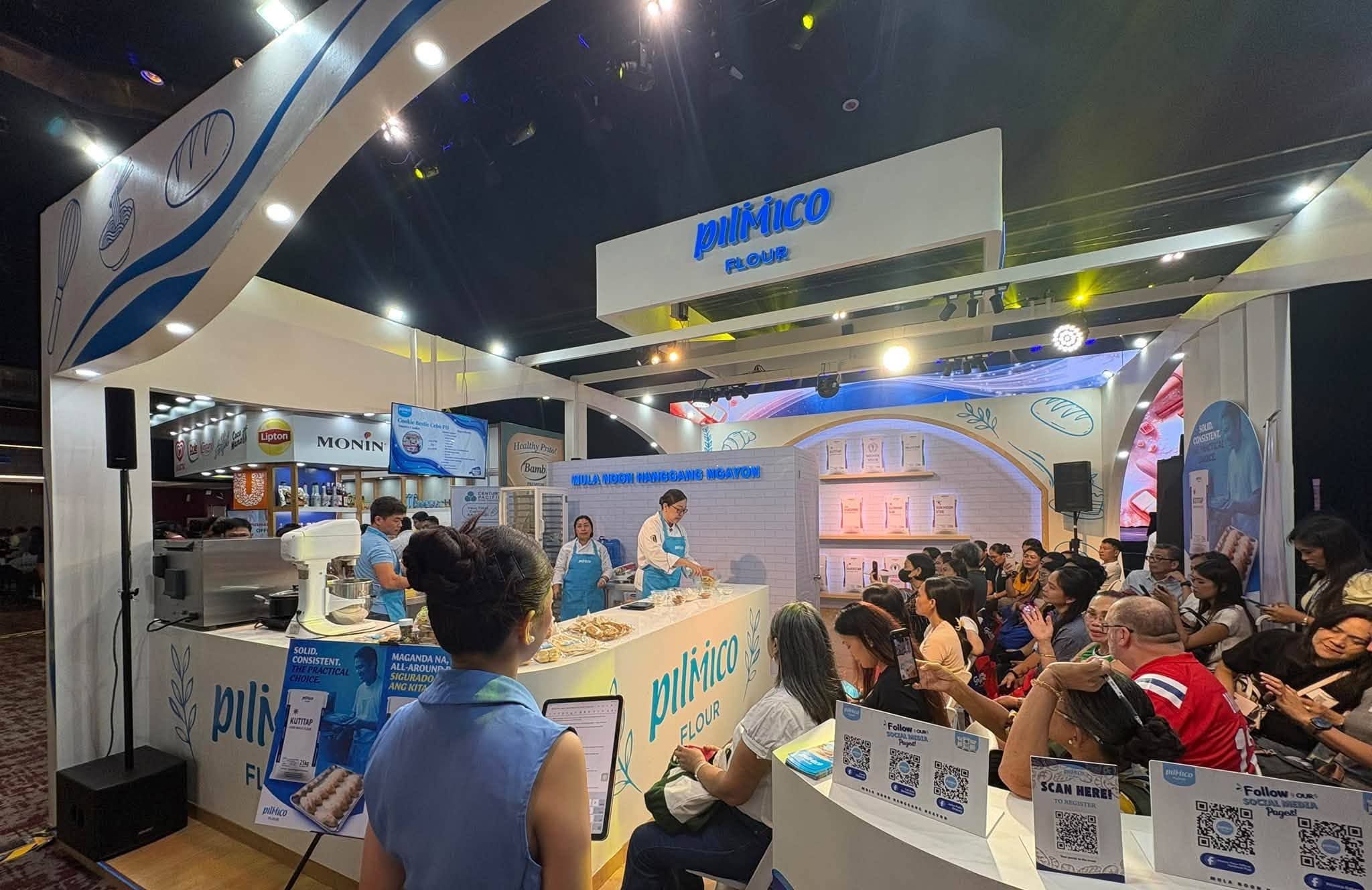
Rising on the Global Stage: Pilmico Flour Champions Filipino Baking Talents at WorldSkills Clark and Bakery World Fair 2026
Filipino baking is entering an exciting new era. Across the country and around the world,