
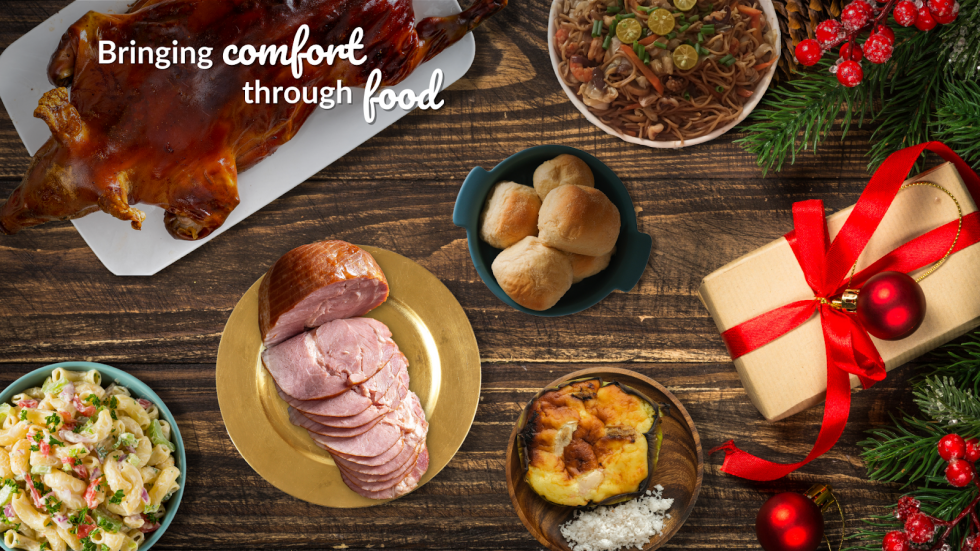
The Five Delicious Dishes for Your Noche Buena
Noche Buena has been one of the most significant celebrations globally, especially for Filipinos. Filipino families gather to celebrate Christ’s birth with their favorite dishes.
Noche Buena, which means “the Good Night” in Spanish, refers to Christmas Eve or the 24th of December celebrated every year.
It all started in the 16th century when the Spanish friars required churchgoers to practice fasting until Christmas morning. Since the natives feel hungry coming from the Christmas midnight mass (the first liturgy of Christmastide), they gather for a nocturnal feast before bed.
Here are five delicious dishes that you can add to your Noche Buena feast.
Christmas Ham
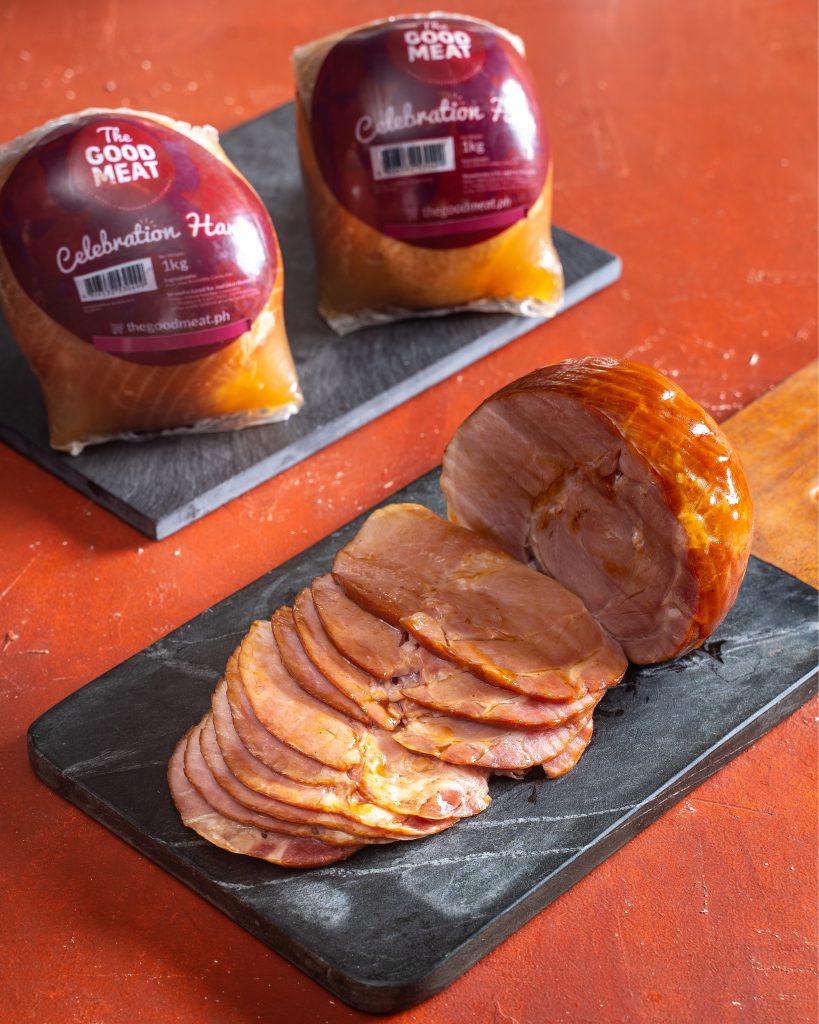
Traditionally known as Yule Ham, Christmas Ham’s history was adopted from other winter celebrations. It started when Germanic pagans considered Ham as part of their Yuletide celebrations, a ceremony honoring the mythical Wild Hunt along with praying for fertility, harvest and good weather.
As Christianity spreads worldwide, Christmas trees, including Christmas Hams also influence us.
Today, Noche Buena wouldn’t be complete without Christmas Ham as the centerpiece. It is one of the classic dishes symbolizing festivity, thanksgiving, and warmth.
While you can serve the Christmas Ham straight to your table, you can also explore unique twists to feed your family and wow your holiday guests! Try Root Beer Glazed Ham, Ham and Cheese Frittata, Slow Cooker Ham, or Elevated Baked Ham.
Crispy Pata
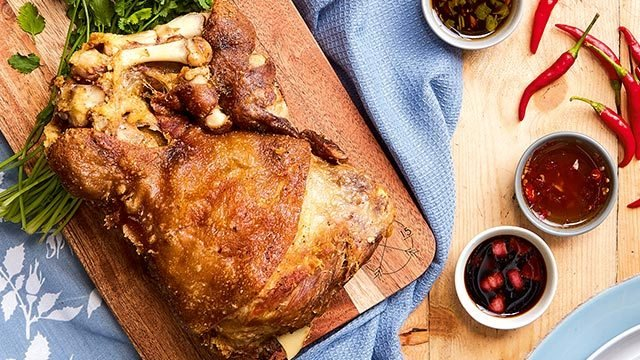
Indulge the whole family with the mouthwatering deep-fried pork knuckles, Crispy Pata.
This culinary wonder was invented by Rodolfo Ongpauco, the son of the Barrio Fiesta owner in Caloocan back in the 1950s when he tried to deep fry discarded pork legs.
Since then, Filipino families have included this dish during Noche Buena, especially those who don’t have access to Lechon. This is beyond a great alternative!
There’s no other key reason why Filipino families fell in love with Crispy Pata than its extraordinary taste – golden brown and nice crisp texture on the outside, tender meat on the inside, and the savory taste of combined seasoning (bay leaves, garlic, salt, and star anise).
Pork Embutido
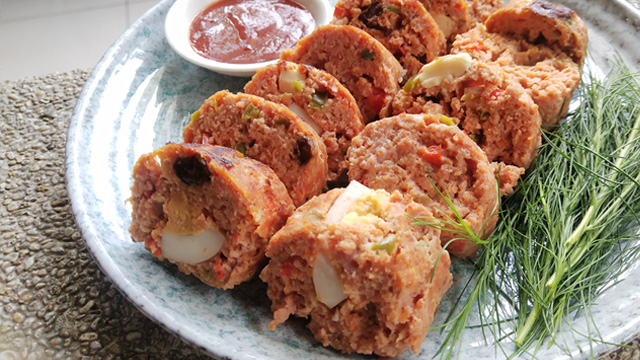
Embutido is another Christmas favorite with Spanish origins. While they refer to it as cured sausages, Filipino Embutido is not cured at all. It is a local version of meatloaf using ground pork with onion, bell pepper, carrots, hard-boiled egg, and raisins. Special recipes include longganisa, cheese or ham as well.
Embutido, also a classic Filipino comfort food, is wrapped in foil, and you can either fry or steam it before eating.
To keep the table more appetizing, nutritious and bright, put some greens on Embutido as side dishes and place them between pure meat dishes such as Crispy Pata, Christmas Ham, or Lechon.
Beef Caldereta
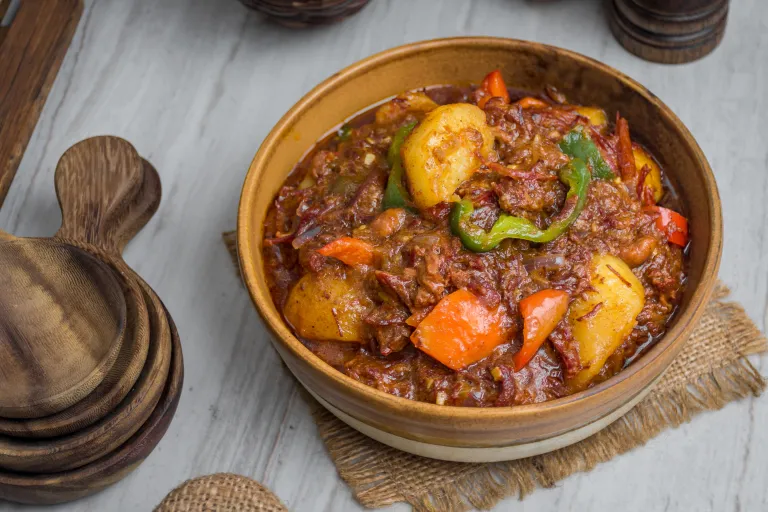
Noche Buena wouldn’t be the same without red meat on our plate, so cheers to this timeless Filipino stew, Beef Caldereta.
Caldereta came from the Spanish word “caldera”, which means cauldron or a metal pot with a lid and handle used to cook in an open fire. It consists of chuck beef (with a nice amount of fat), beef brisket, ribs, shanks, carrots, bell peppers, and potatoes. If you have a robust palate for spice, you can also add chillies.
There’s no other way to make your Noche Buena even warmer than having this comforting food.
Lumpiang Shanghai
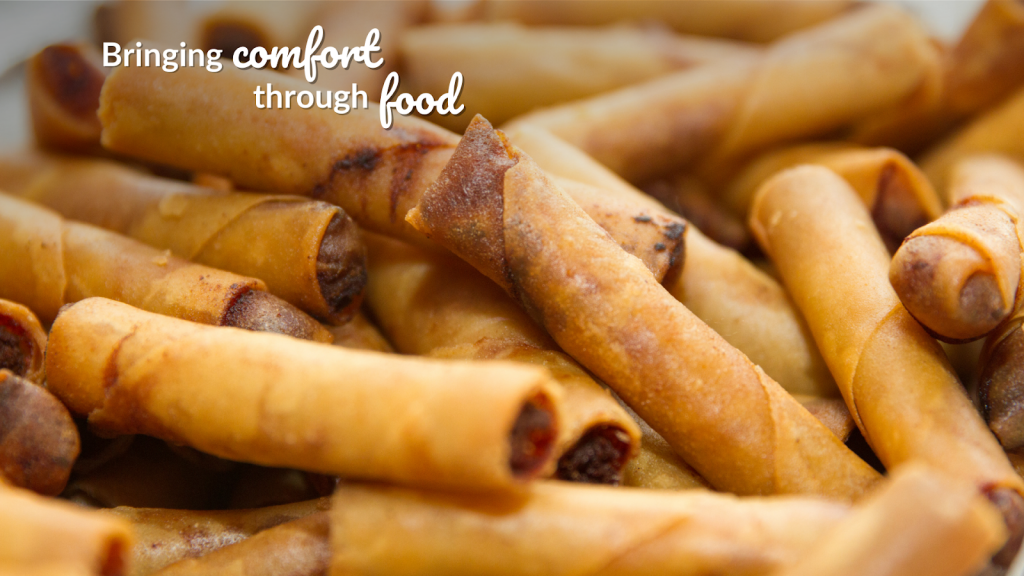
Unarguably, Lumpiang Shanghai is everyone’s favorite party food from typical dining setups, weddings, fiestas, and of course, during Noche Buena.
In fact, Lumpiang Shanghai was named the best Filipino Food according to TasteAtlas, the global map of local dishes and flavors.
Lumpiang Shanghai is a perfect appetizer to set in your Noche Buena main dishes with its crispy exterior and tasty filling. Hence, you can make this as your snack, too – a perfect pair with red wine, a cocktail, or even an ice-cold glass of soda.
Fresh Meat for Your Noche Buena
Hallowed not only by Christian tradition alone but also by life’s existence, Noche Buena is a meaningful meal and should be celebrated in any way with loved ones.
To keep your meat dishes sumptuous, delectable and worth remembering, always consider fresh and high-quality meat from your trusted meat shop in the Philippines.
Do you have other Noche Buena recipes in mind? Feel free to share it in the comments section.
Frequently Asked Questions
Q1: How did a 16th-century Spanish church practice of fasting give birth to one of the most celebrated midnight feasts in Filipino culture?
When Spanish friars required churchgoers to fast until Christmas morning, Filipinos returning from the midnight Simbang Gabi were understandably hungry. The nocturnal feast that followed — Noche Buena, meaning “the Good Night” — became a tradition that outlasted the fasting requirement entirely. What began as a practical response to hunger after a religious obligation evolved into one of the most emotionally significant meals in the Filipino calendar, demonstrating how ritual and necessity can together create traditions that endure for centuries long after their original context disappears.
Q2: Why did Crispy Pata — born from a 1950s experiment with discarded pork knuckles — earn a permanent place on the Noche Buena table alongside dishes with far older histories?
Crispy Pata’s rise from kitchen experiment to festive staple says something important about Filipino food culture: great flavor earns its place regardless of origin or prestige. Invented by Rodolfo Ongpauco at Barrio Fiesta in Caloocan when he deep-fried pork legs that would otherwise go to waste, the dish delivered an irresistible contrast of golden, crispy exterior and tender meat inside. For families without access to Lechon, it became a worthy centerpiece in its own right — proving that ingenuity and taste matter more than culinary tradition alone.
Q3: What does the Filipino adaptation of Embutido — transformed from Spanish cured sausage into a steamed or fried pork meatloaf — reveal about how Filipinos have historically interpreted foreign food traditions?
Filipino Embutido shares its name with Spanish cured sausage but bears almost no resemblance to its European counterpart. Ground pork, raisins, hard-boiled eggs, bell peppers, and carrots wrapped in foil — sometimes enriched with cheese or longganisa — create something entirely new. This pattern of borrowing a name while reinventing the dish entirely is characteristic of Filipino culinary adaptation: absorbing foreign influences, filtering them through local ingredients and preferences, and producing something that is simultaneously rooted in an outside tradition and distinctly, unmistakably Filipino.
Q4: How does Lumpiang Shanghai’s recognition as the best Filipino food by TasteAtlas challenge assumptions about which dishes define Filipino cuisine on the global stage?
Most global discussions of Filipino food gravitate toward larger, more dramatic centerpieces — Lechon, Adobo, Kare-Kare. Lumpiang Shanghai’s top ranking by TasteAtlas suggests that the world’s most resonant Filipino dish may actually be one of its most modest: crispy, bite-sized, endlessly snackable. Its universal appeal across dining contexts — weddings, fiestas, casual gatherings, and Noche Buena alike — reflects a truth about Filipino food that elaborate centerpieces sometimes obscure: that the dishes eaten most often, most joyfully, and most collectively are often the ones that matter most.
Q5: Why is Beef Caldereta’s status as a Noche Buena essential about more than its flavor — and what does a slow-cooked stew reveal about the values embedded in Filipino Christmas cooking?
Caldereta demands time. Chuck beef, brisket, or shanks require long, slow cooking to become the tender, deeply flavored stew that defines the dish. Preparing it for Noche Buena is a deliberate act — it cannot be rushed or improvised last-minute. In this way, it embodies a broader Filipino Christmas cooking philosophy: the willingness to invest hours of effort as an expression of love and hospitality. The warmth of the stew mirrors the warmth of the occasion, making Caldereta not just food on the table but a reflection of the care put into celebrating together.
Related Stories
The four steps to food safety
In the food business, it’s always important to make sure that the food you’re serving,
Meals that Matter: Pilmico Farms Uplifts Tarlac Communities with over Php 1M worth of support from The Good Meat
TARLAC, May 2025— Pilmico Animal Nutrition Corporation (Pilmico) donated over Php 1 million worth of
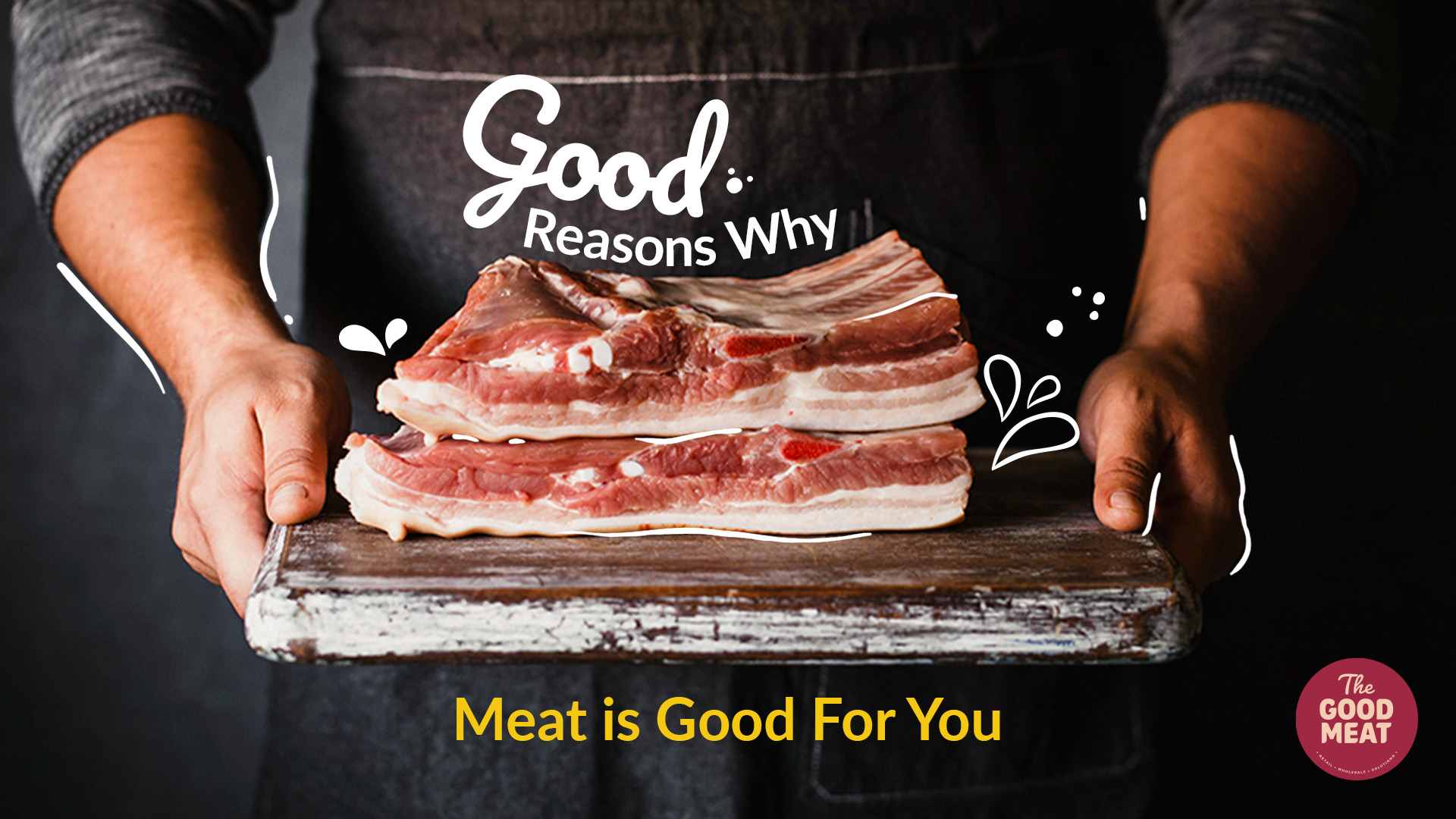
Good Reasons Why Meat is Good For You
Everybody wants to be healthy. The famous “health is wealth” adage is more meaningful now