
Celebrating Excellence: Pilmico Recognized for Safety and Halal Compliance
Iligan City, Philippines—Pilmico Foods Corporation’s (Pilmico) Iligan operations recently marked two significant milestones in safety and product quality, reinforcing the plant’s reputation as a model of operational excellence in the food manufacturing industry.
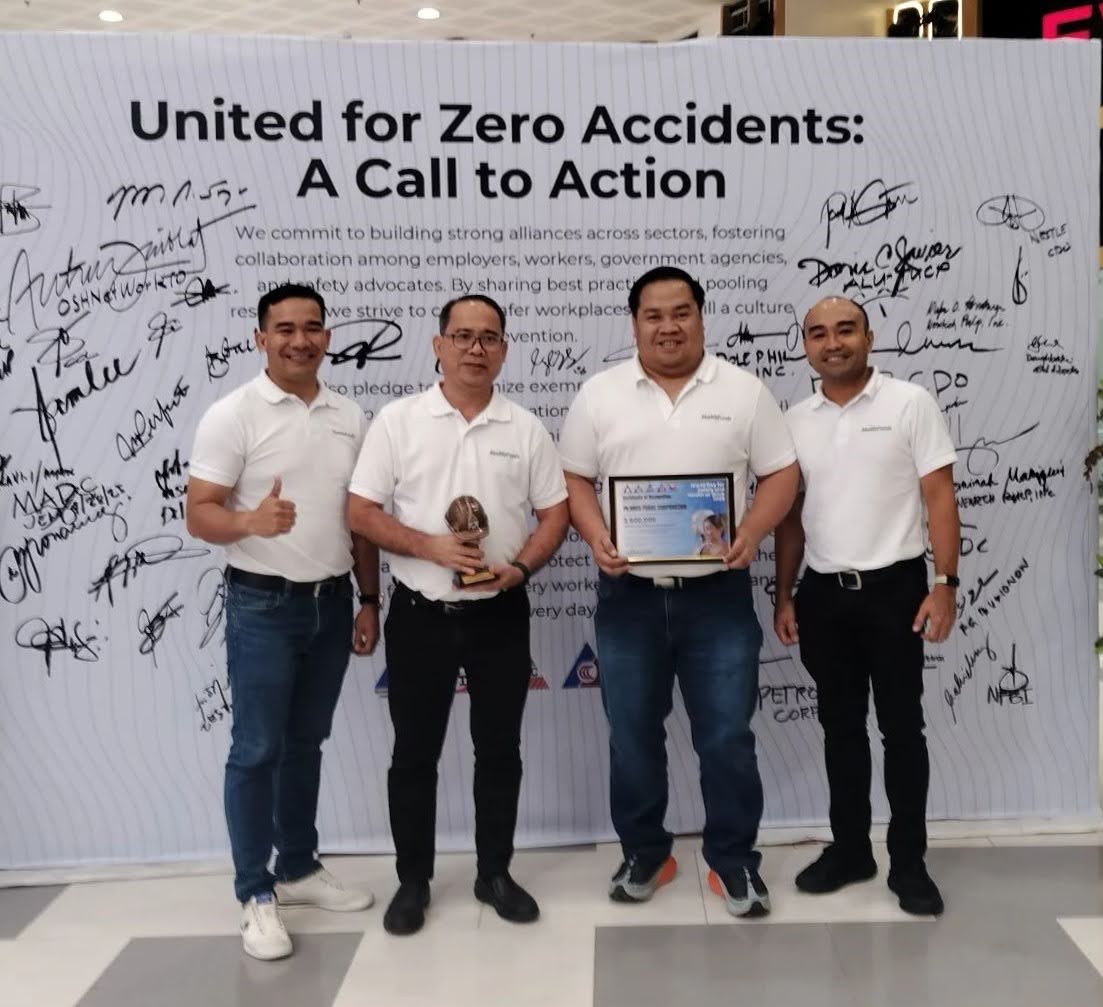
During the World Day for Safety and Health at Work 2025 celebration in April, the Department of Labor and Employment (DOLE) Region 10 recognized Pilmico’s Feeds Iligan operations for achieving 2.6 million safe man-hours with zero lost time incidents. This major milestone reflects the team’s unwavering commitment to employee safety and well-being through proactive hazard management, continuous safety training, and strict adherence to occupational health protocols.

Adding to this achievement, the Flour Mill Division of Pilmico was recently honored by the Islamic Da’wah Council of the Philippines (IDCP) as a Halal-Compliant Company and the First Halal-Certified Flour Company in the country. This recognition, awarded during the World Halal Forum and Gala Dinner at the Makati Shangri-La, highlights the division’s commitment to inclusivity, food integrity, and Halal standards. Notably, Pilmico has proudly held its Halal-certified status from the IDCP since 2009, showcasing its long-standing dedication to meeting the highest standards of Halal compliance.
“Our commitment to operational excellence and inclusivity guides everything we do,” said Alexis Revantad, Aboitiz Foods Vice President – Iligan Site Management and Flour Operations. “These recognitions are the result of our people’s hard work, discipline, and shared belief in doing things the right way. I’m proud of what our teams have achieved, and even more excited for what we can accomplish together moving forward.”
These recognitions are a testament to one of Aboitiz Foods’ core attributes: Building Expertise for Quality. Quality and reliability have long been the cornerstones of our business. By leveraging our sector expertise with strong capabilities and world-class facilities, we consistently deliver excellence, whether in maintaining safe, responsible operations or in meeting the diverse needs of the customers and communities we serve.
Frequently Asked Questions
Q1. What two major recognitions did Pilmico’s Iligan operations receive, and from which bodies?
Pilmico’s Iligan operations received two distinct recognitions covering different dimensions of operational excellence. The Feeds Iligan plant was recognized by the Department of Labor and Employment (DOLE) Region 10 during the World Day for Safety and Health at Work 2025 celebration in April for achieving 2.6 million safe man-hours with zero lost time incidents. Separately, the Flour Mill Division was honored by the Islamic Da’wah Council of the Philippines (IDCP) during the World Halal Forum and Gala Dinner at the Makati Shangri-La as a Halal-Compliant Company and the First Halal-Certified Flour Company in the Philippines.
Q2. What does achieving 2.6 million safe man-hours with zero lost time incidents actually represent?
A lost time incident is any workplace injury or illness that prevents an employee from returning to work the following day. Reaching 2.6 million man-hours without a single such incident means that across every shift, every production line, and every operational task at the Feeds Iligan plant over that entire accumulated period, no worker was injured severely enough to miss work. This outcome is the direct result of proactive hazard management, continuous safety training, and consistent adherence to occupational health protocols – not a passive outcome but an actively maintained standard.
Q3. How long has Pilmico held Halal certification, and what does it mean for consumers?
Pilmico has held its Halal-certified status from the Islamic Da’wah Council of the Philippines (IDCP) since 2009 – a continuous certification spanning over 15 years at the time of the most recent recognition. For consumers, this means Pilmico Flour products are produced in compliance with Halal standards, covering the sourcing, handling, processing, and production protocols required under IDCP certification. The recognition as the First Halal-Certified Flour Company in the Philippines also establishes Pilmico as a pioneer in making Halal-compliant flour accessible across the country.
Q4. What is the significance of the World Halal Forum recognition specifically for the Philippine food industry?
Being formally recognized as the First Halal-Certified Flour Company in the Philippines at an international forum carries significance beyond internal validation. It positions Pilmico’s Flour Mill Division as an industry benchmark for Halal compliance in a category – flour milling – that underpins a wide range of food products consumed by Muslim and non-Muslim consumers alike. It also signals to the broader food manufacturing sector that Halal certification is both achievable and commercially valuable in the Philippine market, potentially encouraging wider adoption of Halal standards across the industry.
Q5. What are the key takeaways from these two simultaneous recognitions?
Three points stand out. First, operational excellence is multi-dimensional – safety and compliance are distinct disciplines, and achieving recognition in both simultaneously reflects the depth of the organization’s standards culture rather than isolated wins. Second, longevity matters in certification – Pilmico’s 2009 Halal certification history demonstrates that the IDCP recognition is a validation of consistent, long-term practice rather than a newly adopted standard. Third, both recognitions are grounded in people – the safety milestone was built shift by shift through workforce discipline, and the Halal recognition was received by the quality and R&D team, highlighting that institutional standards are ultimately maintained by individuals.
Related Stories

Tommy is here: the newest pet food your cats and kittens will love
Cat owners only want the best care for their pets. They make sure their cats
Arnel of Iloilo: Retirement is Just the Beginning
“Ang disadvantage kapag army ka, kalahati ng katawan mo nasa hukay; delikado na nga ang
Clucking Business: Unveiling the Types of Poultry Farming
Thinking of diving into the bustling world of poultry farming? Before you start hatching plans,