
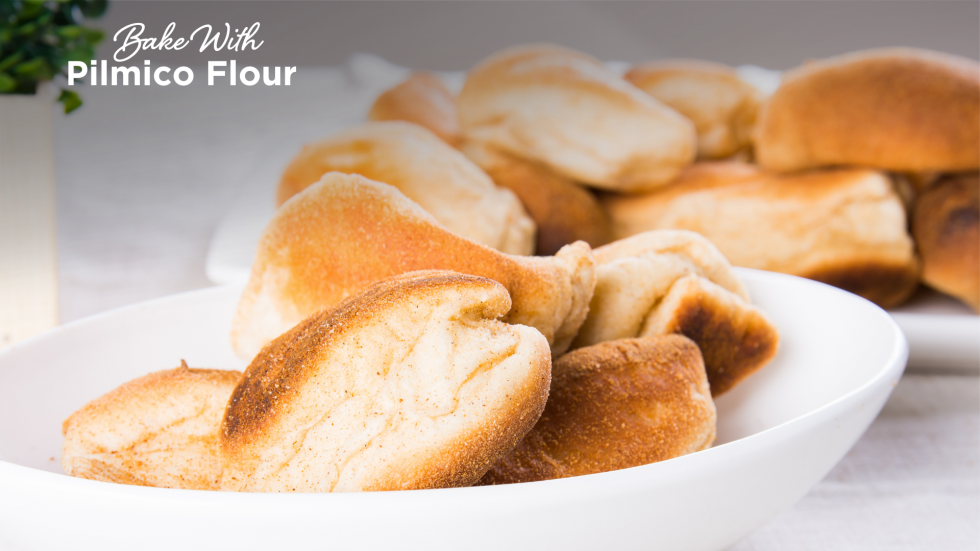
Bake with Pilmico Flour: Kutitap Pandesal
Start your mornings right with an all-time panaderia favorite: Pan De Sal! Baked proudly by our hardworking PanadHeroes across the nation! #ProudToBePanadHero #BringingComfortThroughFood
INGREDIENTS:
1000g, Kutitap Hard Wheat Flour
10g, Instant Yeast
15g, Salt
188g, Sugar
575g, Water
100g, Shortening
PROCEDURE:
1. Place the instant yeast in the bowl, followed by the flour, then the salt and sugar.
2. Attach the hook to the mixer. (Note: make sure to secure the bowl unto the mixer.)
3. Run the mixer at speed 1 for 30 seconds, then slowly pour in the water.
4. When all the dry ingredients are fully wet, turn off the mixer.
5. Add in the shortening onto the dough.
6. Run the mixer at speed 4 to 5, or medium speed for 5 mins.
7. Turn off the mixer to scrape dough pieces and stick them onto the lump of dough.
8. Run the mixer for another 5 mins, or until the dough has been developed.
9. When the dough has been developed, rest the dough for 10 mins on your work table, covered by the bowl.
10. After resting, roll the dough like a long hotdog. Roll in bread crumbs.
11. Cut the dough pieces to +/-35 grams.
12. Set on greased pans.
13. Let rise for 30 minutes, or check with indentation test.
14. Bake at 180°C, until golden brown, or until the underside shows a browned circle (swelo).
Frequently Asked Questions
Q1. What is Kutitap Pandesal and who is it made for?
Kutitap Pandesal is a Filipino bread roll — a classic panaderia staple made using Pilmico’s Kutitap Hard Wheat Flour. The recipe is positioned as a morning bread for everyday Filipinos, celebrating the dedicated small bakery owners and bakers known as PanadHeroes who keep the tradition of fresh pandesal alive across the country. It is a straightforward, no-frills recipe designed to be practical and repeatable for commercial and home bakers alike.
Q2. Why is hard wheat flour specifically used in this recipe?
Hard wheat flour has a higher protein content than all-purpose or soft wheat varieties, which means it develops stronger gluten when mixed with water. This gluten network is what gives pandesal its characteristic slightly chewy bite and the structural integrity to hold its round shape during proofing and baking. Using a softer flour would produce a flatter, more delicate roll that lacks the familiar texture Filipino bakery pandesal is known for.
Q3. What role does shortening play in this pandesal recipe?
Shortening is added after the initial mixing phase rather than at the start, and this sequencing is intentional. Adding fat too early can coat the flour particles and inhibit gluten development. By incorporating shortening once the dough has already come together, the fat enriches the texture – contributing to a softer crumb, a slightly richer flavor, and improved moisture retention – without interfering with the structural network the gluten has already begun to form.
Q4. How do you know when the dough is ready and when the pandesal is fully baked?
Two visual and tactile checks guide the process. For dough readiness, the recipe uses the windowpane test concept implied by “developed dough” – the dough should be smooth, elastic, and pull cleanly from the bowl. For proofing, the indentation test applies: press a finger in lightly – slow spring-back means ready. For baking doneness, the cue is the appearance of a browned circle on the underside of each roll, referred to as “swelo” – a familiar Filipino bakery term for the caramelized base that signals proper heat penetration.
Q5. What are the key takeaways from this recipe for anyone baking pandesal at home or in a small bakery?
Three principles stand out. First, mixing sequence matters – yeast, flour, salt, and sugar go in before the liquid, and shortening is added last to protect gluten development. Second, each rest and proof stage is functional, not optional – the 10-minute bench rest relaxes the gluten for easier shaping, and the 30-minute proof builds volume and texture. Third, the “swelo” doneness indicator is a more reliable guide than timing alone, since oven temperatures vary. Together, these produce consistent, quality pandesal every bake.
Related Stories
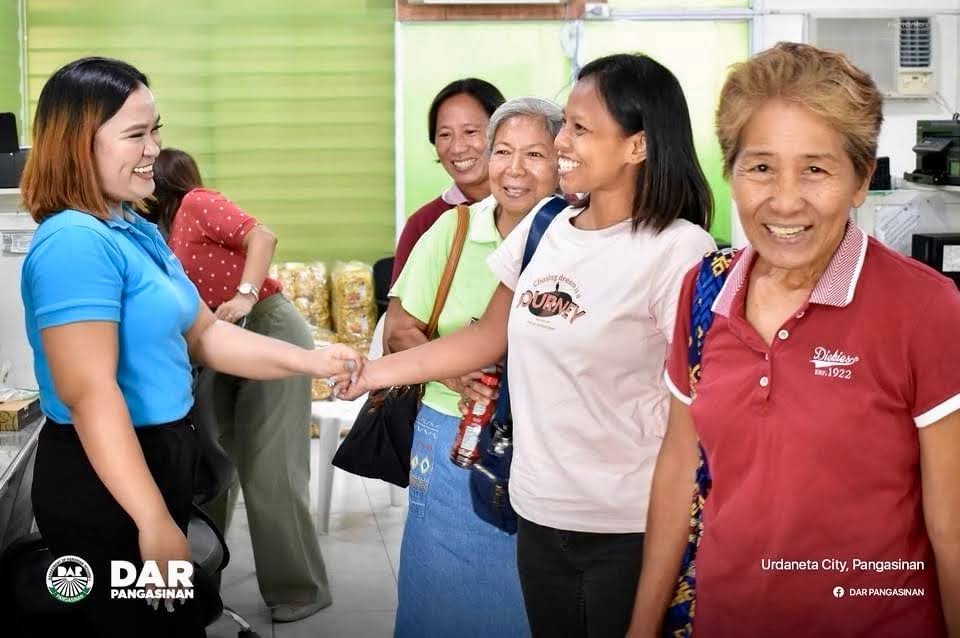
Pilmico and Aboitiz Foundation empower Agrarian Reform Beneficiaries through bakery livelihood opportunities
Pilmico Animal Nutrition Corporation (Pilmico) and Aboitiz Foundation, Inc. (Aboitiz Foundation) provide bakery livelihood opportunities
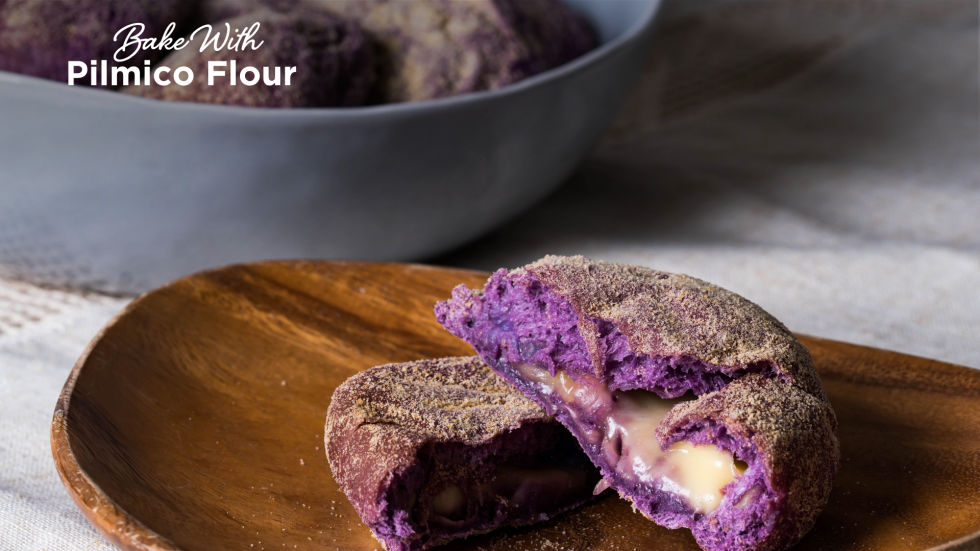
Bake with Pilmico Flour: Ube Cheese Pandesal
It’s been a year of craving… Do you know how to bake your own Ube
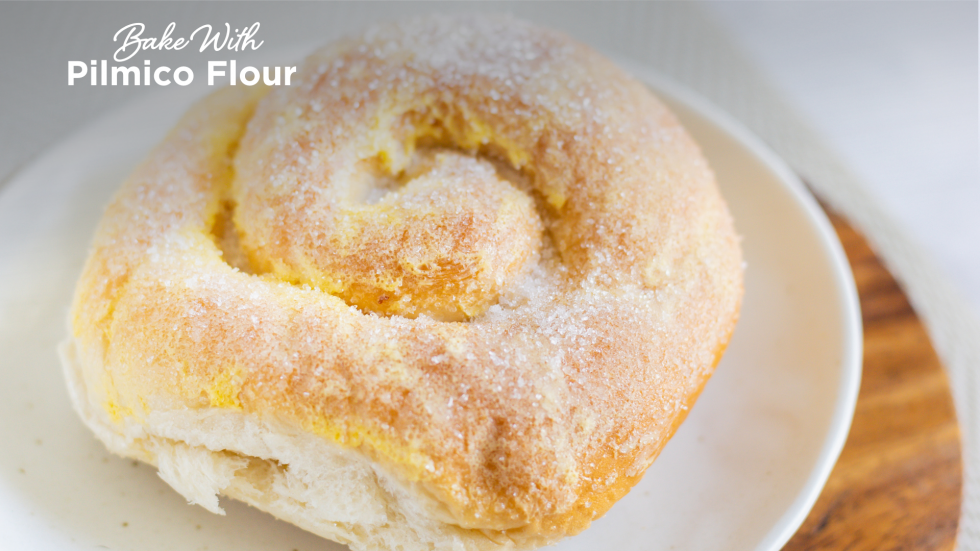
Bake with Pilmico Flour: Soft Ensaymada
How do strong hands make the softest bread? We’ll show you! Here’s a flexible panaderia