
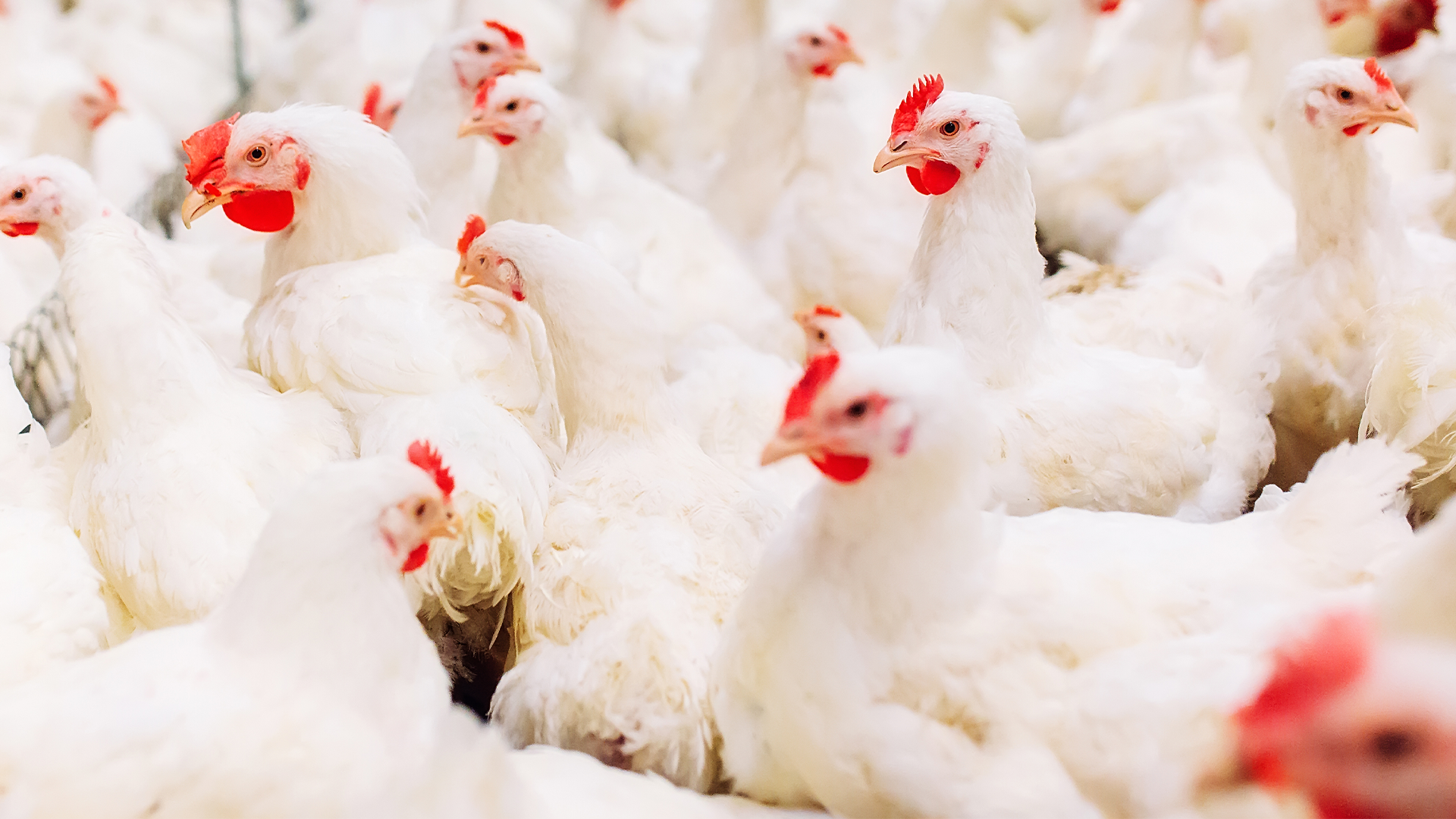
8 Tips on How to Keep Your Poultry Feeding Station Clean During the Rainy Season
In poultry farming, keeping feeding stations clean on your farm is crucial for the health and well-being of your chickens. However, rainy weather can pose additional challenges, increasing the risk of wet feeds and potential contamination. Now, you may think, “What do I do with my chickens when it rains?”
The combination of rain and feeds can create a messy environment that attracts pests, breeds bacteria, and compromises the quality of the feeds. In ensuring the cleanliness and hygiene of your feeding stations, it’s important to implement strategies specifically designed to tackle these challenges during rainy weather. Below, we have listed 8 ways that can help minimize the impact of wet conditions during the rainy weather and maintain a clean and healthy environment for your poultry.
Choose the Right Feeding Station Design
When it comes to poultry feeding stations, selecting the right design is vital for maintaining cleanliness. To withstand sudden weather changes, elevated or covered feeding stations are highly recommended. By elevating the feeders, you can prevent water accumulation and, at the same time, minimize the risk of wet feed.
Implement Adequate Drainage Systems
Proper drainage systems help prevent water logging and mud forming around your poultry feeding stations. To make your drainage system work as intended, the area surrounding your feeder should be properly sloped, allowing water to flow away from the feeding stations.
Additionally, strategically placed drains and gutters can lead rainwater and prevent it from pooling around the feeders. Make sure to regularly inspect and clean these drainage systems to avoid any blockages and keep your feeding stations clean.
Provide Overhead Coverage
Adding overhead coverage to your chicken feeding stations can make a big difference when it comes to facing the rainy weather. Constructing simple shelters or using tarps as awnings to create a protective shield for the feeders can help prevent the feeds from getting soaked and reduce the chances of contamination.
Pro tip: ensure that the coverings are in good condition and are firmly secured to withstand strong, gusty winds. By providing this extra layer of protection, you can ensure that your poultry always has access to dry and clean feed, no matter how heavy the rain and how strong the winds get.
Schedule Regular Cleaning and Sanitization
One important step in keeping your coop healthy is to always clean and sanitize your chicken feeding stations. After each feeding, take the time to remove any leftover feed, debris, or stagnant water as this helps prevent any buildup or contamination. When cleaning the feeders and waterers, use gentle products specifically formulated for cleaning chicken coop and thoroughly wash and scrub the surfaces to ensure they’re squeaky clean.
Additionally, scheduling a regular disinfection using specific chicken coop disinfectant is key to eliminating any potential harmful bacteria or pathogens that could make your chickens sick. By maintaining a clean and sanitized feeding station, you’re taking an important step towards keeping your feathered friends healthy and happy, rain or shine.
Rotate Feeding Locations
To ensure clean and dry areas for your chickens, you may consider rotating their feeding locations, especially during rainy periods. By regularly switching between different spots, you give each area enough time to dry out and undergo necessary disinfection, that not only helps maintain cleanliness, but also prevents excessive soil erosion in one specific spot. By rearranging the feeding stations, you promote overall soil health on your farm, as it allows the soil to regenerate and recover from constant use.
Follow a Strategic Feeding Time Management
Whenever possible, schedule feedings during periods when the weather is expected to be more favorable. By adjusting the feeding times, you will be able to reduce the chances of the feed getting wet and maintain cleaner feeding stations for your chickens. To do this, you need to keep an eye on the weather forecast and plan the schedule accordingly. If there’s a clear window of dry weather, that would be an ideal time to provide the feed to your chickens. This approach not only helps keep the feed dry and more appealing to your chickens, but also reduces the need for frequent cleaning and prevents potential issues caused by wet feed.
Proper Storage of Feed
Keeping your chicken feed in optimal condition is vital in maintaining its quality and preventing moisture-related issues. Make sure to store the feed in dry and protected areas, such as bins or containers with tight-fitting lids. You should also avoid placing feeders directly underneath areas where water may leak or drip. By storing the feed properly, you minimize the risk of it getting wet and protect it from potential contamination, ensuring that your chickens receive fresh, high-quality feed, promoting their health and well-being.
Provide High-Quality and Nutritious Feed
During the rainy season or winter, chickens tend to increase their feed intake to generate heat and stay warm. To address these concerns, you can have the Pilmico Feeds Poultry Express as your chicken’s new feed. It’s formulated to help your chickens achieve optimal development for each growth stage, and maximize their yield. Enhanced with “Vitamin C Boost” formula to help your chicken regain the easily-depleted vitamin keeping them healthy and strong, and even stay warm during colder seasons.
Additionally, offering warm water periodically to your chickens during the rainy season can encourage consumption and help them stay warm without utilizing excess energy reserves.
Maintaining clean feeding stations for your chickens on the farm, especially during the rainy weather, is vital for their health and overall farm hygiene. By prioritizing cleanliness and following the mentioned strategies above, you will be able to create an optimal feeding environment that supports your chickens’ health and contributes to your overall farm hygiene.
Sources:
- Benefits of Raising Feeders, GuideFreak.com
- 5 Essential Things You Need To Know about Chicken Feeders Before You Buy, BackyardChickenCoops.com.au
- Designing a Facility Around Your Poultry Processing Drainage System, FoodSafeDrains.com
- How To Clean A Chicken Coop, TractorSupply.com
- Poultry Management in Rainy Season: Key Points, ThePoultryPunch.com
Frequently Asked Questions
Q1. Why is rainy season especially challenging for poultry feeding station hygiene?
Rain creates conditions that directly threaten feed quality and flock health. When feed gets wet, it becomes a breeding ground for bacteria, attracts pests, and loses nutritional integrity. Muddy, waterlogged areas around feeders also increase contamination risk. Without specific rainy season strategies in place, even well-managed farms can quickly see hygiene standards slip, putting the entire flock’s health at risk.
Q2. What structural changes help protect feeding stations from rain?
Two key physical improvements make the biggest difference: elevated or covered feeders prevent water accumulation and keep feed dry, while proper drainage systems — including sloped ground, strategically placed drains, and gutters — redirect rainwater away from feeding areas. Adding overhead shelters or securely fastened tarps as awnings provides an extra protective layer, ensuring chickens always have access to dry, uncontaminated feed regardless of weather intensity.
Q3. How often should feeding stations be cleaned during wet weather?
Cleaning should happen after every feeding session — removing leftover feed, debris, and stagnant water each time to prevent buildup and bacterial growth. Regular disinfection using poultry-safe cleaning products eliminates harmful pathogens. Rotating feeding locations during rainy periods also helps, giving each spot adequate time to dry out and be disinfected before use again, which prevents soil erosion and maintains overall farm hygiene.
Q4. Can feeding schedules help reduce rainy season contamination?
Yes — timing feedings to coincide with dry weather windows is a simple but effective strategy. Monitoring weather forecasts and scheduling feeds during clear periods reduces the chances of feed getting wet, keeps feeding stations cleaner for longer, and cuts down the frequency of cleaning required. This approach also makes feed more appealing to chickens, as they naturally prefer dry, fresh feed over damp or spoiled portions.
Q5. How does nutrition factor into rainy season flock management?
Chickens naturally increase their feed intake during cold, wet weather to generate body heat and stay warm. Feeding nutrient-rich, high-quality feed during this period is therefore especially important. Storing feed in sealed, dry containers away from areas prone to leaking prevents moisture damage before it even reaches the feeder. Periodically offering warm water during rainy seasons also encourages consumption and helps chickens maintain warmth without burning excess energy reserves.
Related Stories

Ham and Bacon Croquettes
Still have left over ham from the holidays? Level up your Pilmico Farms farmer’s Ham

From Rejection to Redirection: How a former Pilmico scholar pivoted from failure
If there is one failure Dominic De Leon is thankful for, it was when he
How to Raise Hogs from Farm to Table: A Guide for Commercial Hog Farmers
When it comes to commercial hog farming, meticulous planning is essential to ensure you have