
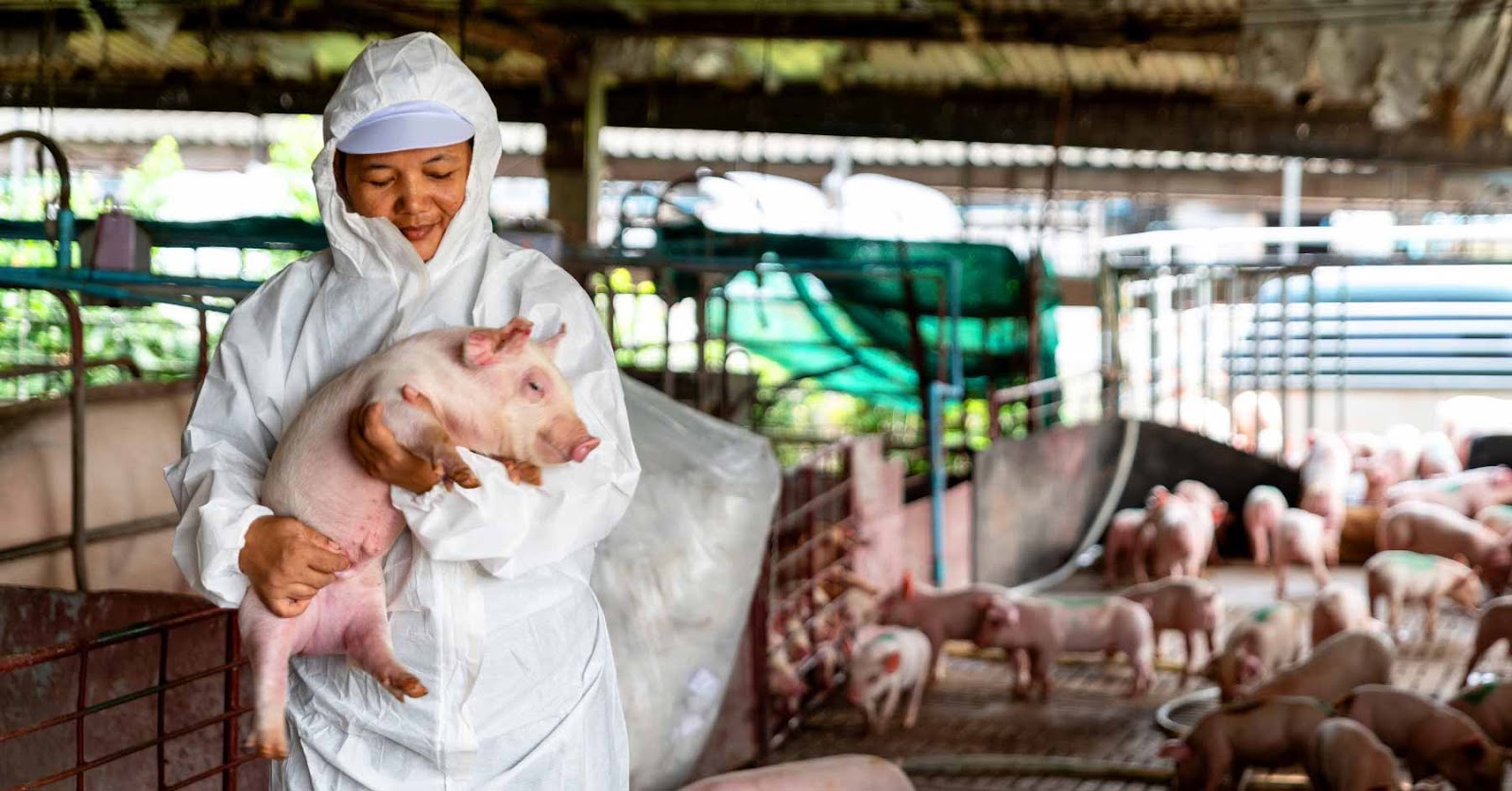
Protecting Swine Health: 5 Farm Biosecurity Practices for Pig Owners in the Philippines
Farm biosecurity in swine production is a crucial aspect of animal husbandry that aims to protect the health and well-being of pigs. Implementing efficient biosecurity measures is of utmost importance for pig farm owners in the Philippines, where swine farming is crucial to the agricultural economy. The importance of biosecurity, typical swine diseases, and crucial biosecurity procedures are examined in this article in order to stop disease outbreaks and guarantee the long-term viability of the swine business.
What is Biosecurity?
A group of precautionary measures known as “biosecurity” are used to reduce the introduction and spread of infectious illnesses on farms. These precautions are necessary in swine production to preserve farm output, protect public health, and protect the health of the pigs. Pig farm owners can prevent disease transmission between their animals and other farms by following stringent biosecurity standards, avoiding significant financial losses, and protecting the welfare of the entire swine population.
The Importance of Biosecurity for Pig Farm Owners in the Philippines
The importance of biosecurity for hog farm owners in the Philippines, where swine farming is a crucial economic activity, cannot be stressed. The risk of endemic and developing swine illnesses is just one of the difficulties the nation’s swine sector faces. Both small-scale and commercial pig farmers could suffer dire consequences from an outbreak of a highly contagious disease, which would disrupt the pork supply chain and result in significant financial losses.
Common Diseases Affecting Swine
It is crucial to have a thorough understanding of the diseases that can harm pigs in order to create biosecurity procedures that work. Some of the biggest dangers to swine health in the Philippines are:
1. African Swine Fever (ASF) is a deadly viral disease that affects both farmed and wild pigs. It is highly contagious. Due to its high death rate, it has the potential to spread quickly and cause substantial economic damage.
2. Foot-and-Mouth Disease (FMD) is a viral illness that affects animals with cloven hooves, particularly pigs. Due to trade limitations, it may result in lameness, decreased production, and severe economic losses.
3. Porcine Reproductive and Respiratory Syndrome (PRRS) is a viral disease that affects the health of the entire herd as well as sow productivity by causing reproductive failure and respiratory problems in pigs.
4. Classical Swine Fever (CSF) is a highly contagious viral disease that can cause serious morbidity and mortality in infected pigs. CSF is frequently referred to as “hog cholera.”
5 Biosecurity Measures to Prevent Swine Diseases
Pig farm operators in the Philippines should put the following biosecurity measures into practice to reduce the risk of disease outbreaks and protect swine health:
Perimeter Fencing and Restrictive Access
Restricting access to the farm and safeguarding the area with strong fencing can deter unwanted entry and lower the risk of disease transmission from stray animals or people.
Biosecurity Training
To ensure that everyone is aware of and complies with the necessary steps to prevent disease spread, farm staff must get biosecurity training.
Disease Surveillance
Through routine visual examination and diagnostic testing, the health of pigs is regularly monitored. This enables early detection of any possible disease outbreaks and rapid response.
Quarantine and Isolation
It is possible to stop the spread of illnesses from sick animals to healthy ones by quarantining fresh animals before integrating them into the main herd.
Sanitation and Hygiene
To stop the transmission of diseases, it is essential to keep the surroundings clean and hygienic. Equipment, facilities, and vehicles should all be regularly disinfected to help lower the risk of disease transmission.
Farm biosecurity in swine production is a critical aspect of pig farming, especially for hog farm owners in the Philippines. Pig farmers can safeguard their animals, minimize financial losses, and guarantee the survival of the swine industry by comprehending the significance of biosecurity, identifying frequent swine infections, and putting effective preventive measures into place. Adopting these biosecurity procedures is not just a decent way to handle animal care, it is also a vital step in defending public health and guaranteeing the country’s ongoing access to pork.
Furthermore, maintaining the safety of the animals through correct nourishment is essential to their general health and wellbeing. Products from Elite XP can be useful in this situation. Elite XP provides a selection of premium, precisely formulated feeds made to suit the dietary requirements of pigs at every stage of development. Swine owners can further boost their herds’ resistance and encourage optimum growth and performance by including Elite XP products into their feeding routine.
References:
The Importance of Total Swine Biosecurity | The Pig Site
About Biosecurity_Pig | Biocheck.UGent (biocheckgent.com)
Biosecurity for Today’s Swine Operation | MU Extension (missouri.edu)
Common Swine Diseases – Trinity Insurance and Reinsurance Brokers, Inc. (trinity-insures.com)
Frequently Asked Questions
Q1. What is farm biosecurity and why does it matter for pig farmers?
Biosecurity refers to a set of precautionary measures designed to prevent the introduction and spread of infectious diseases on a farm. For pig owners in the Philippines — where swine farming is a significant part of the agricultural economy — strong biosecurity directly protects herd health, prevents financial losses, maintains pork supply chain stability, and safeguards public health from zoonotic risks.
Q2. What are the most dangerous diseases threatening swine in the Philippines?
Four diseases pose the greatest risks: African Swine Fever (ASF), a highly contagious and often fatal viral disease; Foot-and-Mouth Disease (FMD), which causes lameness and trade disruptions; Porcine Reproductive and Respiratory Syndrome (PRRS), which impairs sow productivity and herd respiratory health; and Classical Swine Fever (CSF), also known as hog cholera, which causes high morbidity and mortality in infected pigs.
Q3. What are the five biosecurity practices every pig farm should implement?
The five core practices are: perimeter fencing and restricted access to prevent unauthorized entry; biosecurity training for all farm staff; regular disease surveillance through visual checks and diagnostic testing; quarantine and isolation of new animals before introducing them to the main herd; and consistent sanitation and hygiene, including regular disinfection of equipment, facilities, and vehicles entering the farm.
Q4. Why is quarantine particularly important in swine biosecurity?
Newly acquired animals may carry diseases without showing visible symptoms, making them a silent risk to an otherwise healthy herd. Quarantining new pigs before integrating them gives farm owners time to observe any developing signs of illness and run diagnostic tests. This buffer period is one of the most cost-effective ways to prevent a single sick animal from triggering a farm-wide disease outbreak.
Q5. How does nutrition support biosecurity efforts?
Biosecurity protocols alone are not enough — herd resilience also depends on proper nutrition. Well-nourished pigs have stronger immune systems and are better equipped to resist disease. Feeding pigs high-quality, stage-appropriate feeds supports optimal growth and performance at every phase of development, making nutrition a complementary pillar to the physical and procedural biosecurity measures in place on the farm.
Related Stories
How to Raise Hogs from Farm to Table: A Guide for Commercial Hog Farmers
When it comes to commercial hog farming, meticulous planning is essential to ensure you have
Feeding Your Rabbits: Insights Into Rabbit Feeds
When it comes to raising rabbits for commercial purposes, ensuring their dietary needs are met

From Rejection to Redirection: How a former Pilmico scholar pivoted from failure
If there is one failure Dominic De Leon is thankful for, it was when he