

Meal Preparation for Your Kids
Preparing and eating meals at home for the whole family creates a bonding opportunity. It ensures that each family member consumes healthy meals and that each dish is served with love– from meticulously choosing the meat down to the ingredients used. Because meals are prepared at home, you can ensure that these are made healthier, and tastier to meet the family’s taste palate.
Food Groups
Family members that need to follow restricted or special diets can also benefit from home-prepared meals. To ensure that meals are nutritious and healthy, it is essential to include the primary food groups: carbohydrates, for a source of energy, protein for strong muscles, and of course some fruits and greens for our vitamins and minerals. Examples of energy-rich foods are rice, bread, pasta, and root crops, while good protein sources are pork, beef, chicken, eggs, fish, and shellfish. Meanwhile, fruits and vegetables contain vitamins and minerals.
Good Meal Planning
Excellent meal preparation starts with good meal planning. Usually, meal plans are done weekly. Planning saves time, money, and stress as you know what to prepare daily. Because rice is a staple in a typical Filipino diet, make sure your pantry is well-stocked. If you are looking for a healthier rice option, you can incorporate whole grains into your diet, such as brown rice or pigmented rice, into your meal. Do not forget to adjust the water to rice ratio and refer to the packaging when cooking this nutritious rice. You can also prepare root crops such as sweet potatoes, cassava, or potatoes as snacks for the kids. Steamed or air-fried root crops are an excellent addition to the healthy snacks the whole family can enjoy.
The Importance of Protein
A protein-rich food is an essential part of the meal. Pork, beef, chicken, eggs, and fish provide protein to the human body for growth and development. Protein is vital in all stages of life, from children to older family members. Buy meat from your trusted supplier to ensure freshness and quality. Remember to buy meat parts that best match the recipe you plan to cook for your family. For a whole week’s meat supply, portion them before storing them in the freezer. If you have kids at home, prepare the meat in bite-size pieces. You can use any cooking method that your family loves for meat preparation.
Include fruits and vegetables in each meal as much as possible; whether it’s an appetizer, side dish, with a meat dish, or dessert, there are countless ways to incorporate these healthy additions into your meal. Serve seasonal fruits and vegetables as they are cheaper and have high nutritional value.
Meal preparation for the family takes time and effort but it need not be stressful and could be fun as long as you have a good meal plan made with fresh and quality ingredients in place.
References:
Planning Meals for a Family. April 20, 2020. Home and Garden Information Center. Retrieved March 7, 2022, from Clemson University
Is Brown Rice Good For You? May 23, 2018. Healthline. Retrieved March 7, 2022, from Healthline
Frequently Asked Questions
Q1: Beyond saving time and money, how does weekly meal planning shape a child’s relationship with food from an early age?
When children grow up in a household where meals are planned, prepared, and served intentionally, they develop an understanding that food is a deliberate choice — not a convenience. Exposure to balanced meals built around all food groups normalizes healthy eating as a default rather than an effort. Weekly planning also creates rhythm and predictability at mealtimes, which research consistently links to better nutritional outcomes for children. The kitchen becomes a classroom, and the family table becomes where food values are quietly but powerfully formed.
Q2: Why does the choice between white rice and whole grain alternatives like brown rice carry more significance for growing children than most parents consider?
White rice remains a Filipino staple, but whole grain options like brown rice or pigmented rice deliver additional fiber, vitamins, and minerals that refined grains lose during processing. For children in their developmental years, these nutritional differences compound over time. Incorporating whole grains alongside root crop snacks like steamed sweet potatoes or cassava introduces variety while providing sustained energy. Small, consistent substitutions at the family table — made early and regularly — build nutritional habits that children carry into adulthood without requiring dramatic dietary overhauls.
Q3: How does portioning and pre-cutting meat into bite-size pieces before freezing reflect a deeper principle of child-centered meal preparation?
Portioning meat before freezing is not just a storage strategy — it is an act of intentional planning that puts children’s needs at the center of the cooking process. Bite-size cuts are safer and easier for young children to eat, reduce preparation time on busy weekdays, and prevent the waste that comes from thawing more than needed. It also signals that each family member’s dietary requirements have been thought through in advance, turning the freezer from a holding space into a system designed around the people being fed.
Q4: In a culture where rice dominates every meal, how can Filipino parents practically introduce more nutritional variety without disrupting family mealtime habits?
The key is addition, not replacement. Serving seasonal fruits as a side dish, incorporating vegetables into existing meat recipes, and offering steamed or air-fried root crops as snacks are all low-resistance ways to broaden nutritional intake without abandoning familiar staples. Seasonal produce is both more affordable and more nutrient-dense, making it a practical choice for budget-conscious families. These incremental additions respect the cultural primacy of rice-based meals while steadily expanding the nutritional range children receive at every sitting.
Q5: What does sourcing meat from a trusted supplier have to do with children’s health, and why does it deserve the same scrutiny as ingredient selection?
The quality and safety of meat consumed during childhood directly affects growth, immunity, and long-term health. Protein from fresh, properly handled sources retains its full nutritional value and carries far lower risk of contamination than poorly stored or sourced alternatives. For families preparing meals specifically around children’s developmental needs, the supply chain matters as much as the recipe. Choosing a reliable meat supplier is not a premium consideration — it is a foundational one, equivalent in importance to selecting fresh vegetables or quality grains for the family table.
Related Stories
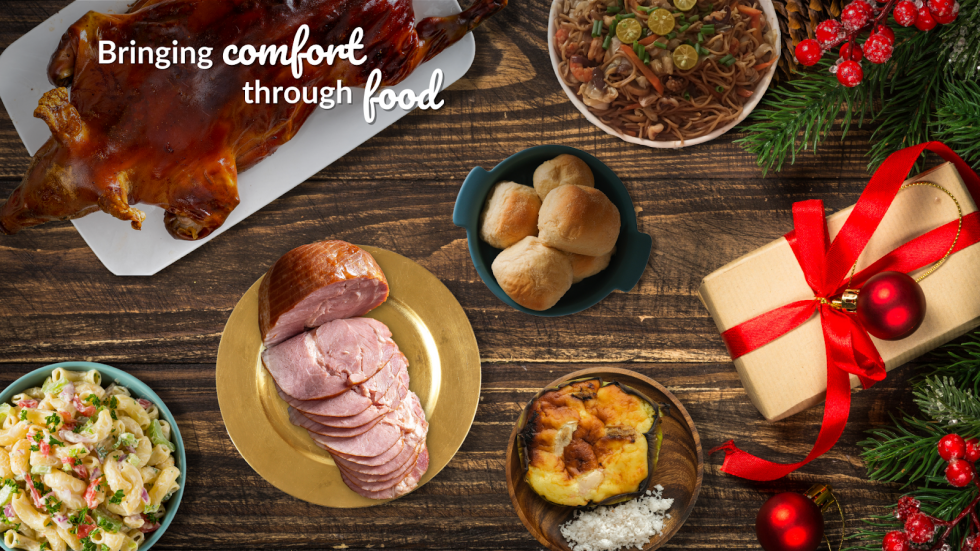
The Five Delicious Dishes for Your Noche Buena
Noche Buena has been one of the most significant celebrations globally, especially for Filipinos. Filipino
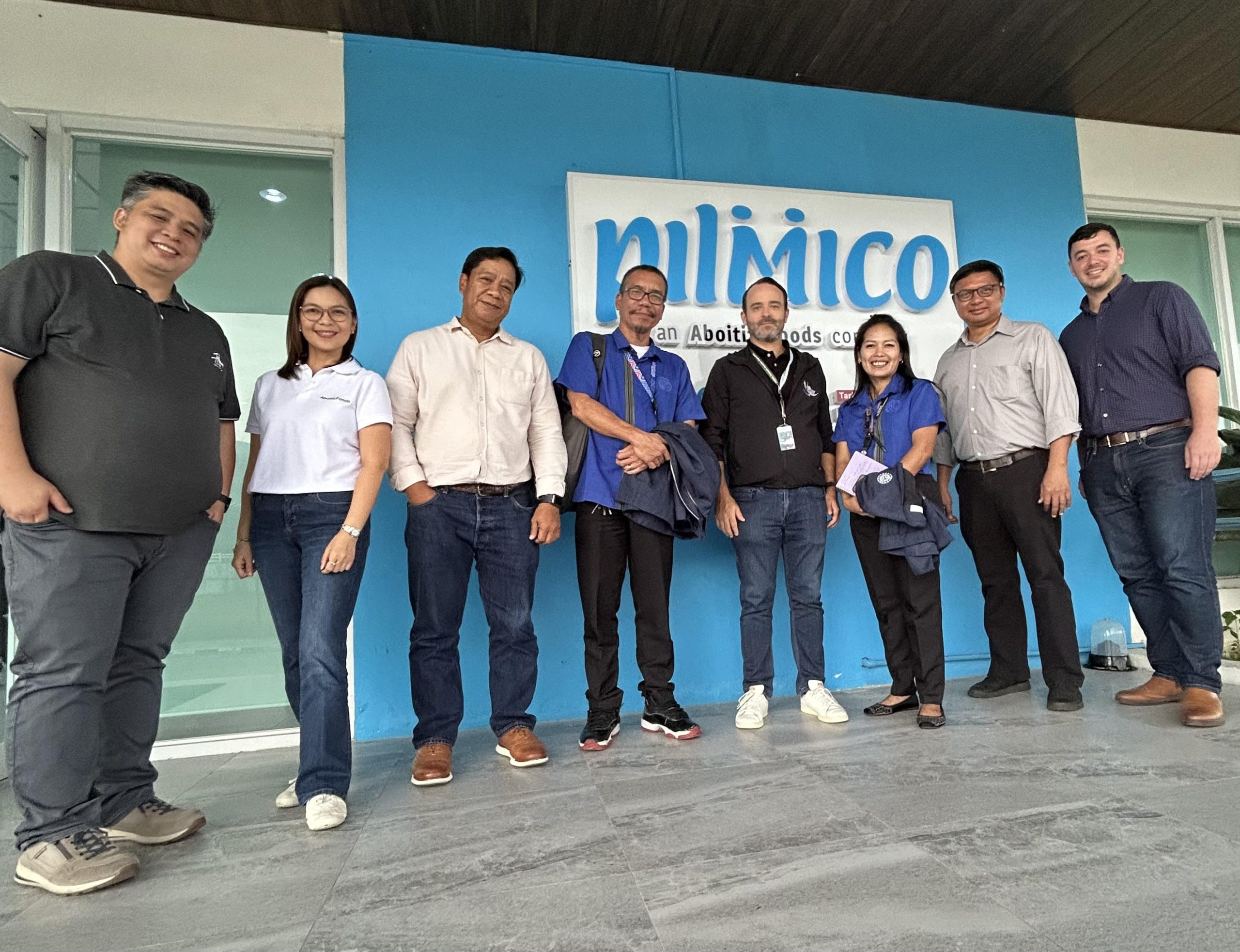
Pilmico, IVTSI launch TESDA-accredited training at Tarlac Meatmasters
TARLAC, PHILIPPINES — Pilmico Animal Nutrition Corporation (Pilmico) has partnered with Infinity Vocational Training School

Why Eggs are the Secret to a Great Bake
Picture this: It’s a quiet Saturday morning. You’ve had your coffee, and you’re ready to