
Nurturing Tomorrow: Pilmico’s Dedication to Educational Excellence
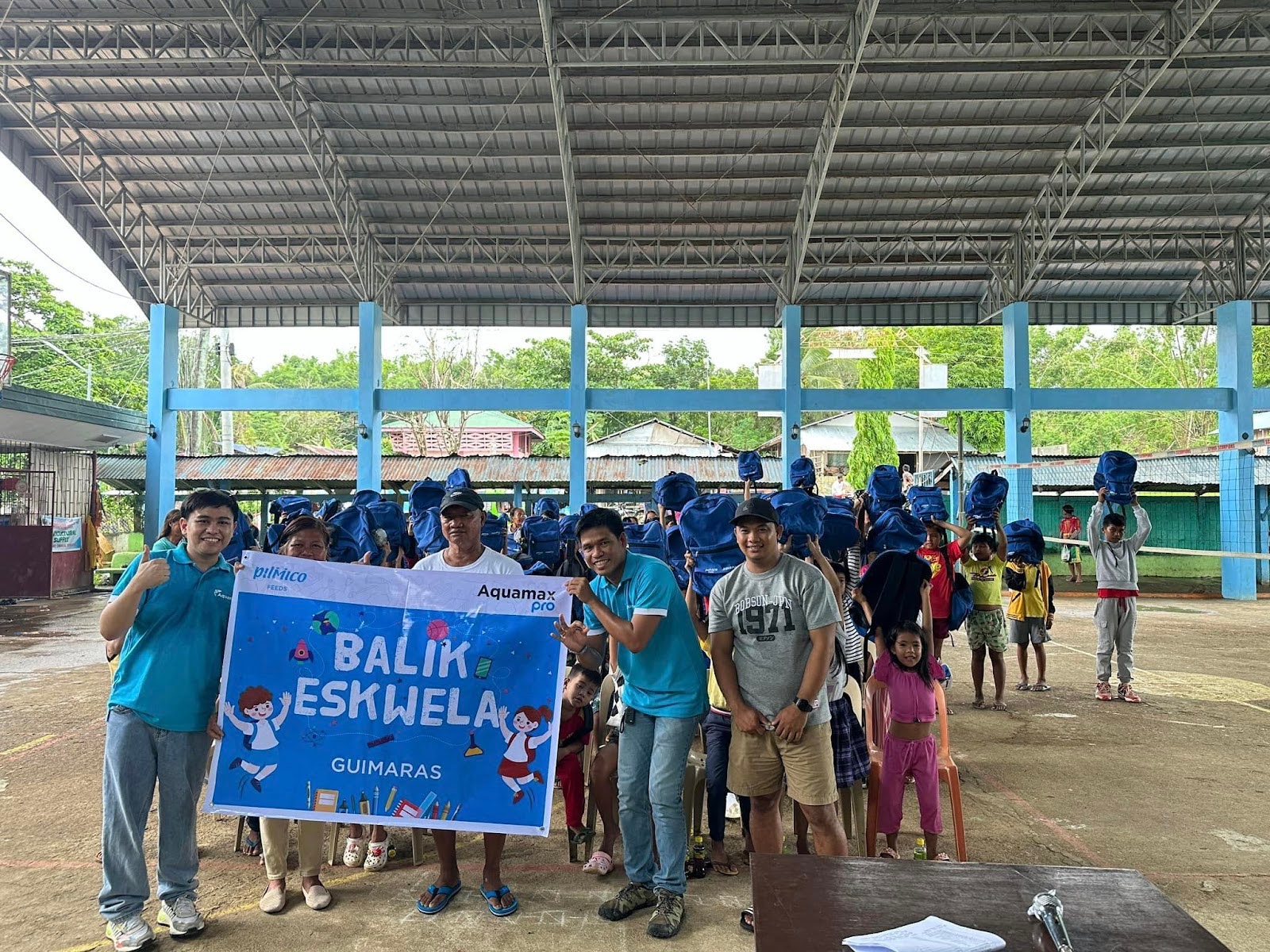
Pilmico, a subsidiary of Aboitiz Foods, remains committed to giving back to the community by continuing its participation in the Aquamax Balik Eskwela Program, for the third consecutive year. This year, Pilmico supported 335 beneficiaries across the municipalities of San Isidro, Guimaras, and Sual, Pangasinan.
The Aquamax Balik Eskwela Program supports the education of farm employees’ children by providing them with basic school supplies before they return to school. The program started in 2021 and has benefited a total of 790 beneficiaries, including previous efforts in Bolinao, Pangasinan, Municipality of Taal, Batangas, and several other municipalities across the Davao region.
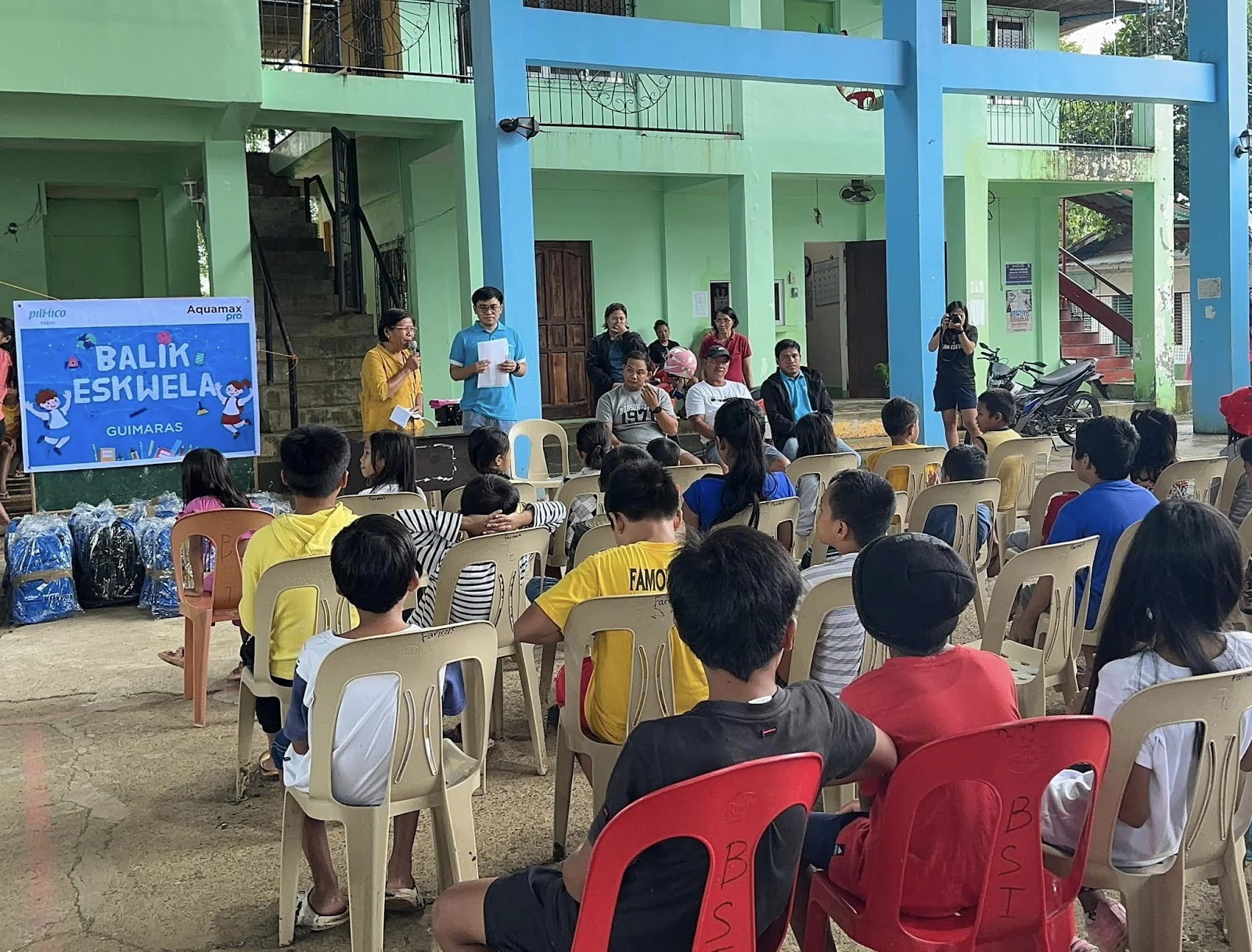
Pilmico is committed to nourishing the future by actively participating in initiatives like the Aquamax Balik Eskwela Program. By providing essential and educational tools and resources, we aim to enhance students’ educational experience and ensure they have the best possible foundation for success.
Frequently Asked Questions
Q1: What is the Aquamax Balik Eskwela Program and who does it serve?
The Aquamax Balik Eskwela Program provides basic school supplies to the children of farm employees before the school year begins, helping ensure they return to class with the tools they need. Launched in 2021, the program operates across multiple municipalities in the Philippines — including San Isidro in Guimaras, Sual in Pangasinan, Bolinao, Batangas, and several areas across the Davao region. By targeting farm workers’ families directly, the program reaches communities whose livelihoods are most closely tied to the agribusiness operations it supports.
Q2: How significant has the program’s reach become since it launched in 2021?
From its 2021 start, the program has grown to benefit a cumulative total of 790 beneficiaries across multiple provinces and regions in the Philippines. The most recent cycle supported 335 beneficiaries alone — across San Isidro in Guimaras and Sual in Pangasinan — marking the third consecutive year of participation. The expanding geographic footprint, moving from its initial municipalities to cover Guimaras, Pangasinan, Batangas, and Davao, demonstrates deliberate program growth rather than a fixed, static intervention repeated in the same location year after year.
Q3: Why does supporting farm workers’ children reflect sound community investment strategy?
Farm employees are the operational foundation of any agribusiness. When their children lack basic school supplies, household financial pressure increases and educational continuity is disrupted — outcomes that affect employee stability and retention. A program that removes this specific barrier costs relatively little compared to the goodwill, loyalty, and stability it generates among a workforce whose skills and presence are essential to ongoing operations. It is community investment that directly reinforces the health of the business’s own human capital base.
Q4: What does three consecutive years of program participation signal?
Annual repetition transforms a one-time gesture into a reliable commitment — and communities notice the difference. Families who have benefited once learn they can plan around the support; those who haven’t yet benefited know it may reach them in future cycles. Three consecutive years signals that this is a programmatic commitment embedded in the organization’s community calendar, not a variable expense subject to budget pressures. That consistency builds a different quality of trust than a larger but one-off donation ever could.
Q5: What is the broader takeaway about corporate responsibility in the agribusiness sector?
Agribusiness companies operate in rural and semi-rural communities where the social infrastructure — schools, healthcare, community services — is often underfunded relative to need. Companies that recognize their geographic and economic embeddedness in these communities, and invest in them accordingly, build a social license to operate that purely transactional companies do not. Providing school supplies is a modest but meaningful act. Doing it consistently, at scale, across multiple regions, and specifically for the families of the people who make operations possible — that is what turns community responsibility into genuine community partnership.
Related Stories
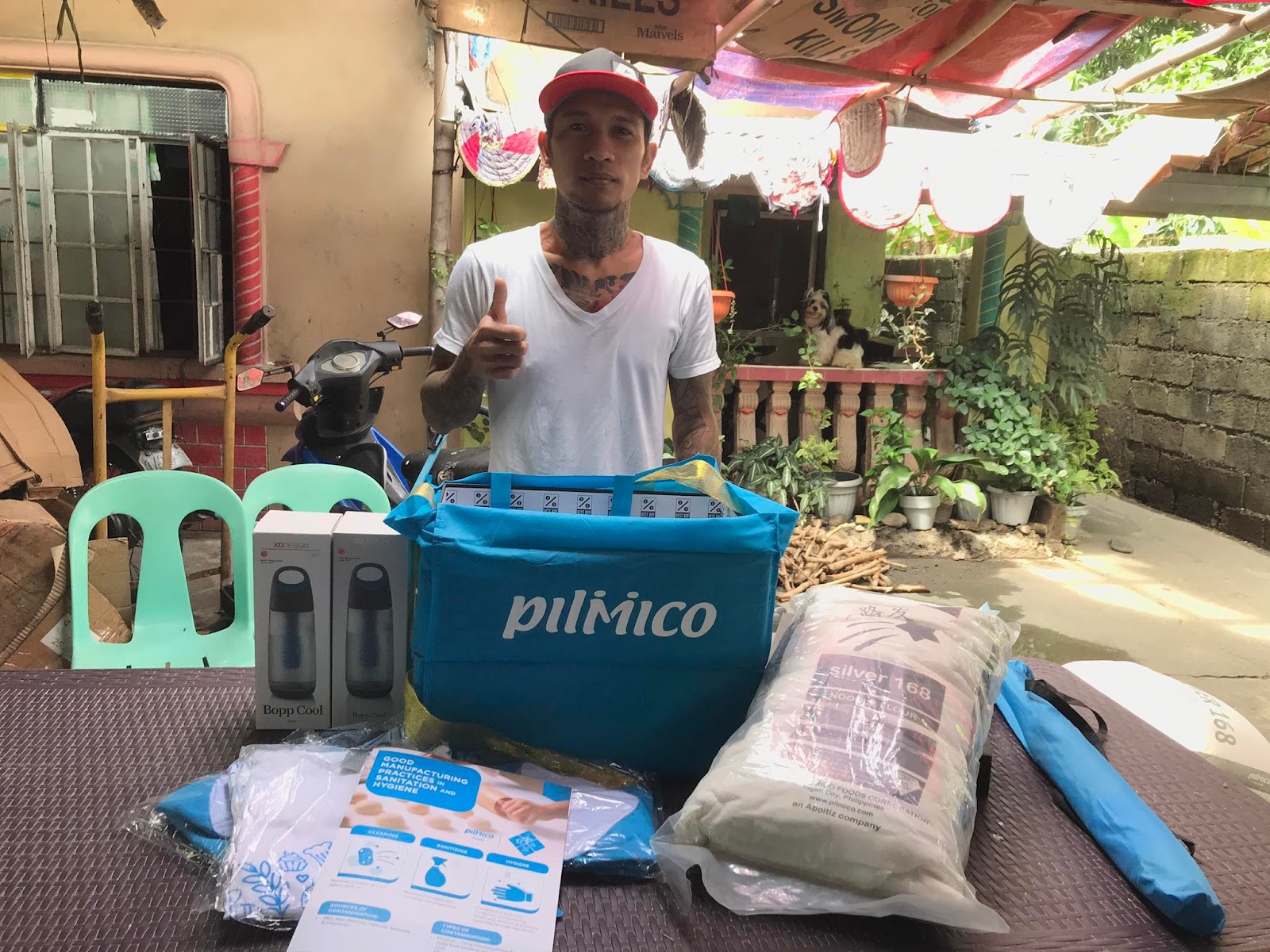
PanadHero: From Lumpia wrapper maker to viral TikTok content creator — Rex Gabutero’s journey as a lumpia wrapper maker
Members of Pilmico met with viral lumpia wrapper marker Rey “Rex” Gabutero in San Quintin,

The Egg-cellent Journey of an Egg: A Guide to Healthy Hens and Productive Flocks
The process begins in the ovary, where the yolk, also known as the oocyte, is
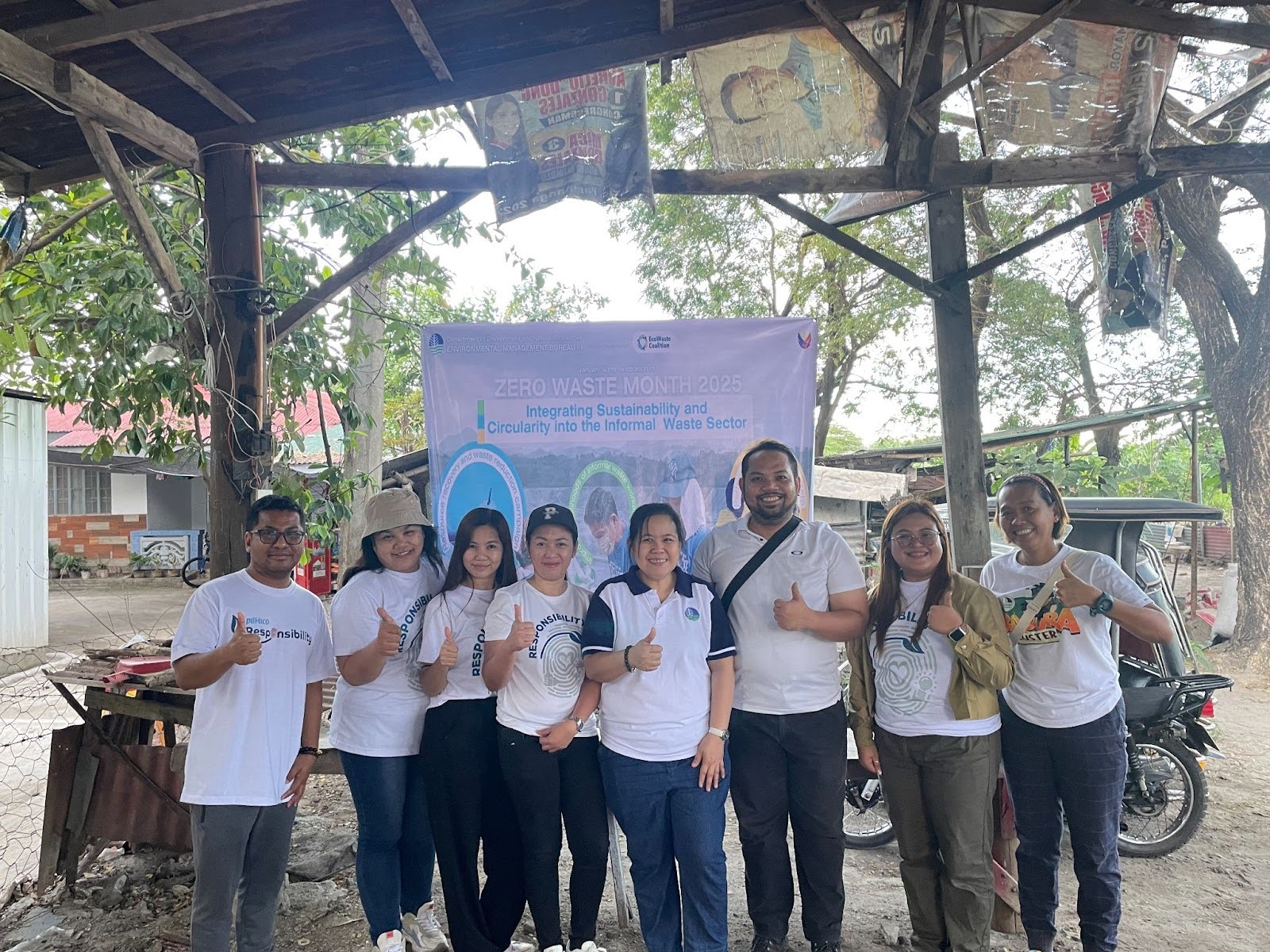
Pilmico joins National Push for Cleaner Communities through DILG’s KALINISAN Program
As part of Aboitiz Foods’ commitment to nourishing the future through sustainable practices, Pilmico Animal