
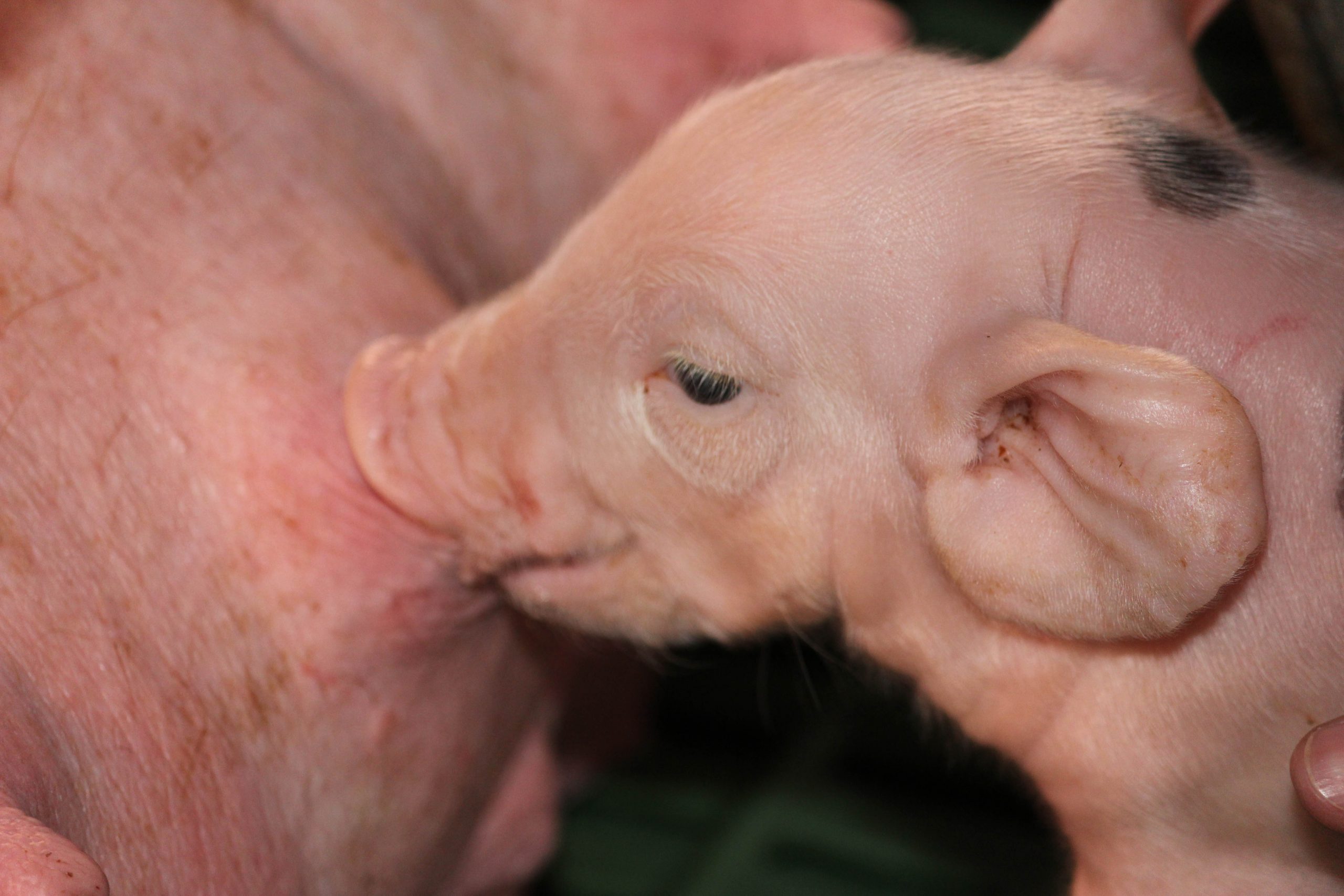
How to Raise Hogs from Farm to Table: A Guide for Commercial Hog Farmers
When it comes to commercial hog farming, meticulous planning is essential to ensure you have the best quality pork products to offer to the market. As the holiday season approaches, the demand for premium pork cuts skyrockets. If you’re a commercial hog farmer looking to meet this demand, here’s a step-by-step guide on how to grow pigs from the farm to the table, ensuring the finest quality pork products for your customers.
Choosing the Best Feed for Your Swine Herd
Commercial hog farmers understand the crucial role of choosing the best feed for pigs. The health and growth of your hogs depend on it. When it comes to maximizing the potential of your swine herd, you need a top-tier feed like Pilmico Feed’s Elite XP hog feeds.
Raising Pigs with Precision and Expertise
Raising pigs is an art that commercial hog farmers must master. The well-being and growth of your hogs depend on the best feed for pigs and the management you provide. Elite XP, fortified with the unique formula “Immuno-Growth Factor,” bolsters the immune systems of your hogs, making it essential to understand how to grow pigs. This feed ensures they thrive while offering protection against common swine diseases and environmental stresses. It also aids in maintaining efficient digestion and nutrient absorption, vital for the development of healthy pigs.
Cultivating a Rapidly Growing Swine Herd
The heart of commercial hog farming is having a swine herd that grows quickly and healthily. The key ingredients for achieving this are the right feed, proper living conditions, and meticulous monitoring. Along with the best feed for pigs, it’s crucial to provide clean, spacious living quarters for your hogs. Regular health checks and weight monitoring are equally important. With Elite XP, you can expect your hogs to grow more efficiently, saving time and resources in preparation for the holiday season.
Mastering Hog Raising: A Comprehensive Guide for Commercial Farmers
Hog raising for commercial purposes requires a thorough understanding of the craft. It goes beyond feeding. It’s about providing the complete care necessary for producing the finest quality pork, and this is what hog raising is all about.
Timing is Everything: How Many Months Does a Pig Take to Mature?
In commercial hog farming, timing is crucial. It usually takes around five to six months for a pig to mature, but this period can vary depending on factors like breed, feed quality, and overall management. Elite XP hog feeds are designed to ensure your swine herd reaches maturity in the shortest time possible, without compromising their health and quality.
Meeting the High Demand for Premium Pork Products
As a commercial hog farmer, meticulous planning, expert care, and premium feed are your tools for success. With the right feed, management, and expertise, you can confidently meet the soaring demand for premium pork products during the holiday season. The efficiency and health of your swine herd, nourished by Elite XP, are your guarantee of delivering high-quality pork to your customers.
So, as the holiday season approaches, remember that your careful and skillful approach to hog raising will be what sets your products apart on the market. Prepare to enjoy the fruits of your labor as you present top-grade pork to your customers.
References:
How to Farm Pigs – Feeding | The Pig Site
The Complete Pig Feeding Guide: From Wean to Finish (osbornelivestockequipment.com)
Fresh Pork from Farm to Table | Food Safety and Inspection Service (usda.gov)
Frequently Asked Questions
Q1: How long does it take for a commercial hog to reach market weight?
Under standard commercial conditions, pigs typically take five to six months to reach maturity. However, this timeline is not fixed — it varies significantly based on breed selection, the nutritional quality of feed provided throughout each growth stage, and overall farm management practices. Poorly formulated feed, inconsistent management, or inappropriate housing conditions all extend the grow-out period, directly increasing feed costs and reducing the number of production cycles a farm can complete within a given year, which compounds into a meaningful impact on annual profitability.
Q2: Why does feed choice have such an outsized impact on commercial hog production outcomes?
Feed accounts for the majority of variable costs in hog production — typically 60 to 70% of total operational expenses — making it the single most influential input a farmer controls. Beyond cost, feed quality determines immune resilience, disease resistance, digestive efficiency, and growth rate simultaneously. A feed that supports immune function while optimizing nutrient absorption reduces both veterinary intervention costs and days-to-market, compressing the production cycle and improving the consistency of the final product delivered to market.
Q3: What role does immune health play in commercial hog farming profitability?
Swine herds are constantly exposed to disease pressure — from common respiratory conditions to more serious threats like African Swine Fever — and immune resilience is the primary biological defense against production losses. Hogs with compromised immunity grow slower, require more veterinary intervention, and suffer higher mortality rates, all of which directly erode margin. Feeds formulated to actively bolster immune function — rather than simply meeting basic nutritional requirements — reduce this disease-related risk and contribute to more consistent, predictable production performance across cycles.
Q4: Why does timing your production cycle to meet peak demand periods matter?
Pork demand surges significantly during holiday seasons in the Philippines, driving up market prices for premium cuts. Farmers who plan their production cycles to deliver market-weight hogs precisely during these high-demand windows can command better prices for the same animals compared to selling outside peak periods. This requires working backward from the target selling date — accounting for the five-to-six-month grow-out period — and ensuring feed quality and management practices keep the herd on schedule without sacrificing animal health or product quality at the critical finishing stage.
Q5: What is the key takeaway for commercial hog farmers looking to deliver consistent, premium-quality pork?
Commercial hog production is a system — and every component of that system either supports or undermines the final product. Feed quality, housing conditions, health monitoring, weight tracking, and production timing all interact. Optimizing one variable while neglecting others produces inconsistent results. The farms that consistently deliver premium-quality pork to market are those that treat hog raising as a precision operation: planning production cycles around market demand, maintaining rigorous daily management standards, and selecting inputs — particularly feed — based on their total impact on herd health and growth efficiency rather than purchase price alone.
Related Stories
Why Eggs are the Secret to a Great Bake
Picture this: It’s a quiet Saturday morning. You’ve had your coffee, and you’re ready to

How to Get Your Cat to Sleep at Night
Picture this: you’re already tucked in for the night — your catto snuggled warmly against
The Egg-cellent Journey of an Egg: A Guide to Healthy Hens and Productive Flocks
The process begins in the ovary, where the yolk, also known as the oocyte, is