
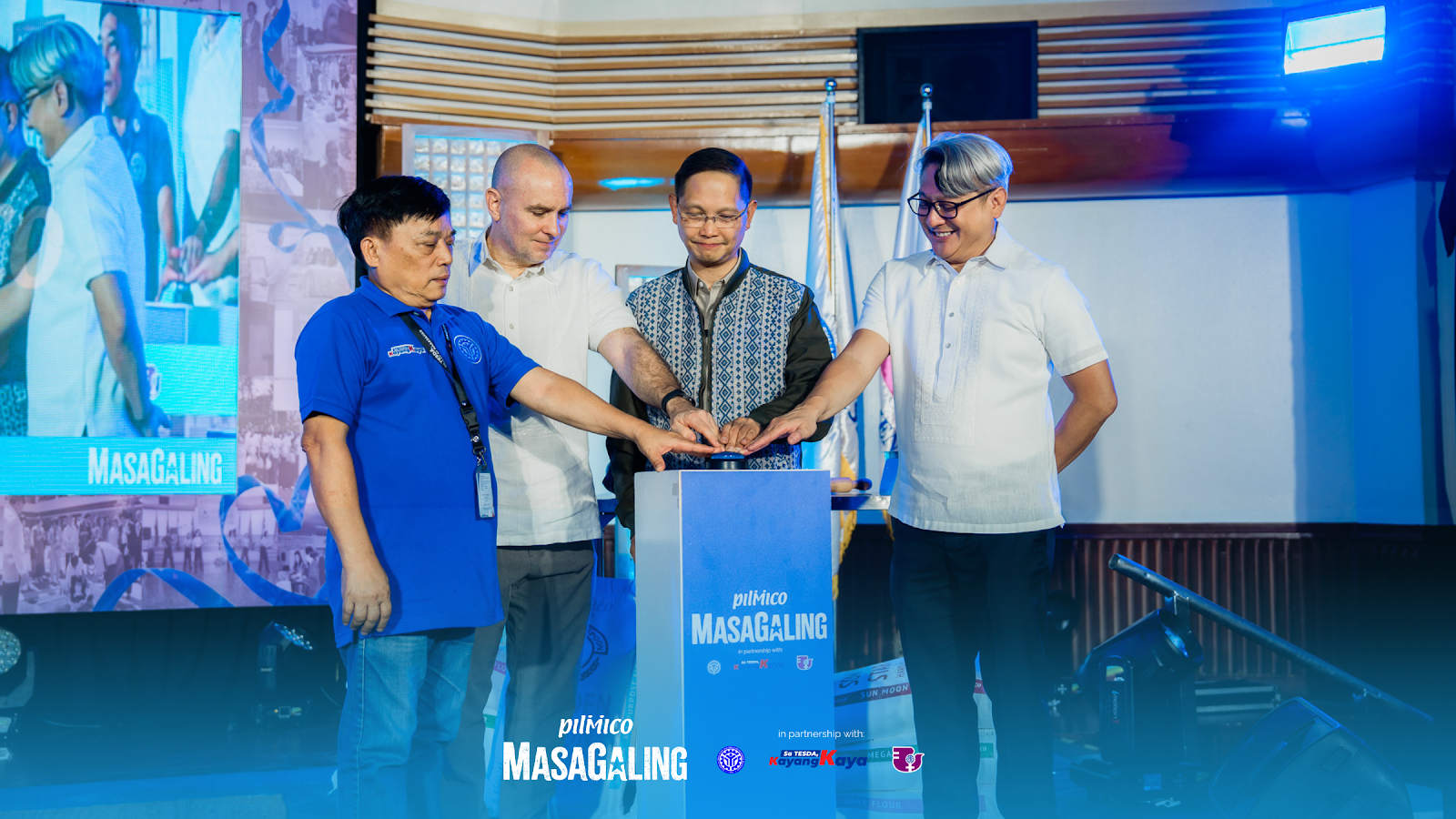
Rising Together: Pilmico and TESDA Champion Baking Excellence through MasaGaling
Manila, Philippines | August 2025—Pilmico Foods Corporation (Pilmico) and the Technical Education and Skills Development Authority (TESDA) have launched MasaGaling, a nationwide skills training program designed to uplift the baking industry in the Philippines.
Seven years since the opening of the Wooden Spoon Innovation Center for Bread and Pastry Production, Pilmico and TESDA remain steadfast in their mission to champion capability building among trainers and bakers. The name MasaGaling combines masa—dough—with galing—skill and excellence—capturing the program’s goal of cultivating skilled, future-ready bakers and trainers who will not only elevate the baking industry, but also gain skills that can translate into improved livelihoods.
“Our mission has always been to help our partners and communities rise with us,” said William Paradies, First Vice President and Country Director for Food and Nutrition at Aboitiz Foods. “Programs like this demonstrate our commitment to continued learning, open up new opportunities, and help the baking industry and the people behind it grow and succeed.”

Under the partnership, Pilmico will lead five in-person and online webinars on baking and bakery management. Its inaugural episode, held last July, focused on Bread and Pastry Production and was led by industry experts Chef Jenny Angela Madulid and Chef Carla Valencia. The hybrid session drew over 150 in-person attendees and close to 100,000 online viewers, combining hands-on training with accessible virtual learning.
TESDA Secretary Jose Francisco “Kiko” B. Benitez lauded the initiative, saying:
“Today’s launch of MasaGaling features healthy and creative recipes like kalabasa pan de sal, kalabasa cheese bread, and kalabasa ensaymada…innovations that underscore our shared commitment to nutrition and quality training. This initiative strengthens our Pastry Production NCII programme and shows how training can be both relevant and responsive to real-world needs.”

Pilmico’s dedication to industry development is rooted in its longstanding partnership with the TESDA Women’s Center (TWC). In 2018, the company established the Wooden Spoon Innovation Center for Bread and Pastry Production, which the following year was recognized as one of only three pilot institutions in the Asia-Pacific for the UNESCO-UNEVOC International Centre Skills for Innovation Hubs (i-hubs) project—placing it among just ten pilot i-hubs centers worldwide.
In April this year, Pilmico and TESDA renewed their partnership through a Memorandum of Understanding (MoU) aimed at enhancing trainer skills with current industry techniques, updating the training curriculum to align with market needs, promoting technical education for sustainable employment, and expanding access to upskilling through webinars and other programs. MasaGaling is one of the initiatives born from this agreement.
TESDA Secretary Kiko expressed his heartfelt gratitude to Pilmico:
“Thanks to Pilmico for your unwavering support and belief in TESDA’s mission. Your contribution to the upskilling and empowerment of our learners and trainers continues to make a lasting impact on our TWC trainers, trainees, and graduates. Know that you are at the heart of this endeavor. This day is for you. Your dedication and hard work inspire us every day.”

Through MasaGaling, Pilmico, and TESDA are not only developing individual expertise but also creating opportunities where the success of one contributes to the success of many, living out Aboitiz Foods’ core value behavior for the year: Pursuing Shared Wins.
Frequently Asked Questions
Q1. What is MasaGaling and what does the name mean?
MasaGaling is a nationwide baking skills training program launched jointly by Pilmico Foods Corporation and TESDA in August 2025. The name is a deliberate combination of two Filipino words: masa, meaning dough, and galing, meaning skill and excellence. The program is designed to develop future-ready bakers and trainers across the Philippines – not just teaching technical baking skills, but building capabilities that can translate into sustainable livelihoods and meaningful career growth in the baking industry. It is one of several initiatives born from the renewed Pilmico-TESDA Memorandum of Understanding signed in April 2025.
Q2. What happened at the inaugural MasaGaling session, and what was its reach?
The inaugural session, held in July 2025, focused on Bread and Pastry Production and was led by industry experts Chef Jenny Angela Madulid and Chef Carla Valencia. The hybrid format combined in-person training with online access, drawing over 150 attendees on-site and close to 100,000 online viewers. The session featured innovative recipes incorporating local Filipino ingredients – specifically kalabasa pan de sal, kalabasa cheese bread, and kalabasa ensaymada – highlighting the program’s focus on nutrition, creativity, and the practical integration of locally available produce into everyday baking.
Q3. What international recognition has the Wooden Spoon Innovation Center received, and why does it matter?
The Wooden Spoon Innovation Center for Bread and Pastry Production, established in 2018 at the TESDA Women’s Center, was recognized the following year as one of only three pilot institutions in the Asia-Pacific – and among ten worldwide – for the UNESCO-UNEVOC International Centre Skills for Innovation Hubs (i-hubs) project. This places a Philippine baking training facility on the same global stage as innovation-focused skills institutions across the world, validating not just the quality of the facility but the approach to integrating entrepreneurship, innovation, and technical skills development within a single training environment.
Q4. How does MasaGaling build on the existing Pilmico and TESDA partnership history?
The Pilmico-TESDA partnership spans seven years, beginning with the 2018 establishment of the Wooden Spoon Innovation Center and continuing through the evolution of the Bake/Cook with Chef Webinar Series during the pandemic. In April 2025, both organizations renewed their commitment through a formal MoU covering trainer upskilling, curriculum updates, and expanded program access. MasaGaling is a direct output of that renewed agreement – not a standalone initiative but a structured continuation of a relationship that has already produced 572 NC II-certified graduates and demonstrated sustainable model for private-government skills development cooperation.
Q5. What are the key takeaways from the MasaGaling launch?
Three points stand out. First, scale matters – 100,000 online viewers for a single session demonstrates that hybrid delivery transforms a skills program from a local event into a genuinely nationwide initiative. Second, curriculum innovation keeps training relevant – incorporating kalabasa as a local ingredient in bread recipes signals that the program is responsive to nutrition trends and real-world ingredient accessibility, not just repeating standard recipes. Third, MasaGaling embodies the principle of shared wins: every trained baker strengthens the industry supply of skilled workers, which benefits not just individuals but flour producers, employers, and consumers across the Philippine food system.
Related Stories

Bake with Pilmico Flour: Soft Ensaymada
How do strong hands make the softest bread? We’ll show you! Here’s a flexible panaderia
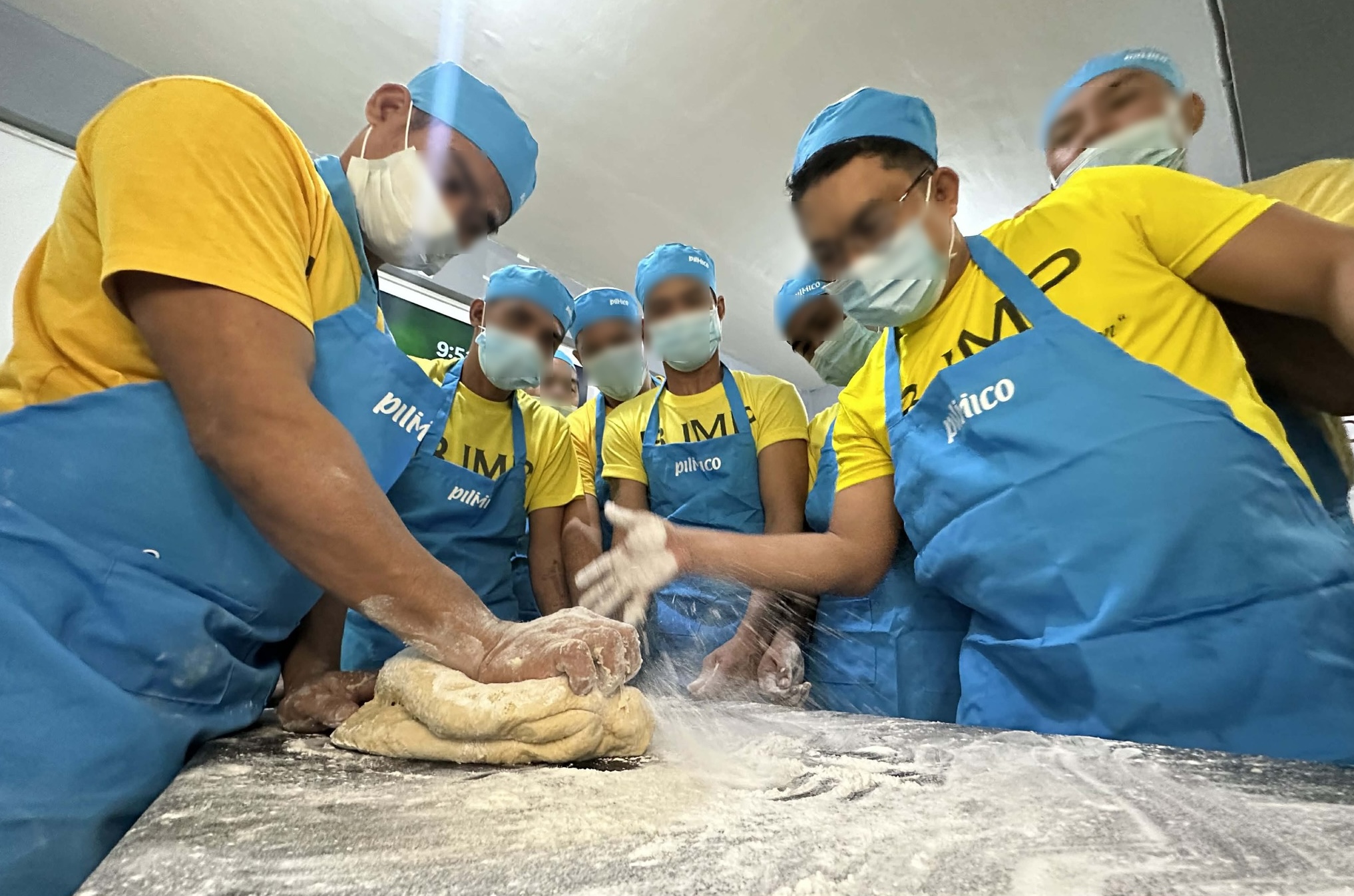
Breaking Bread, Building Opportunities: Pilmico provides baking skills training to Iligan PDLs
ILIGAN CITY, Lanao Del Norte — In Iligan City Jail, a three-day baking training is

Bake with Pilmico Flour: Choco Chip Banana Bread Recipe
Show your “loaf” for baking this Love Month! Try out our Choco Chip Banana Loaf