

Safety Through Synergy: Pilmico and Iligan Emergency Teams Unite for 2025 SimEx
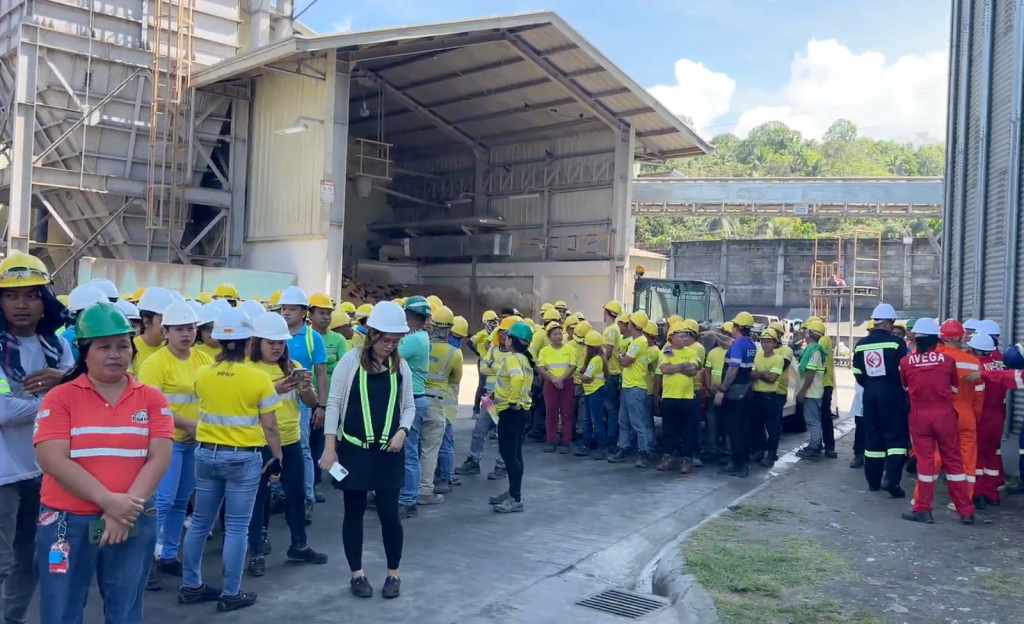
On March 28, 2025, Pilmico, an Aboitiz Foods company, conducted its annual Simulation Exercise (SimEx), a critical drill designed to put emergency response systems to the test at its site in Iligan. This year’s large-scale SimEx was focused on enhancing Pilmico’s preparedness for handling complex emergency situations. In coordination with key local government units and emergency response agencies, Pilmico organized a series of multi-scenario tests, including responses to maritime terrorism, oil spills, fire outbreaks, and personnel injuries.
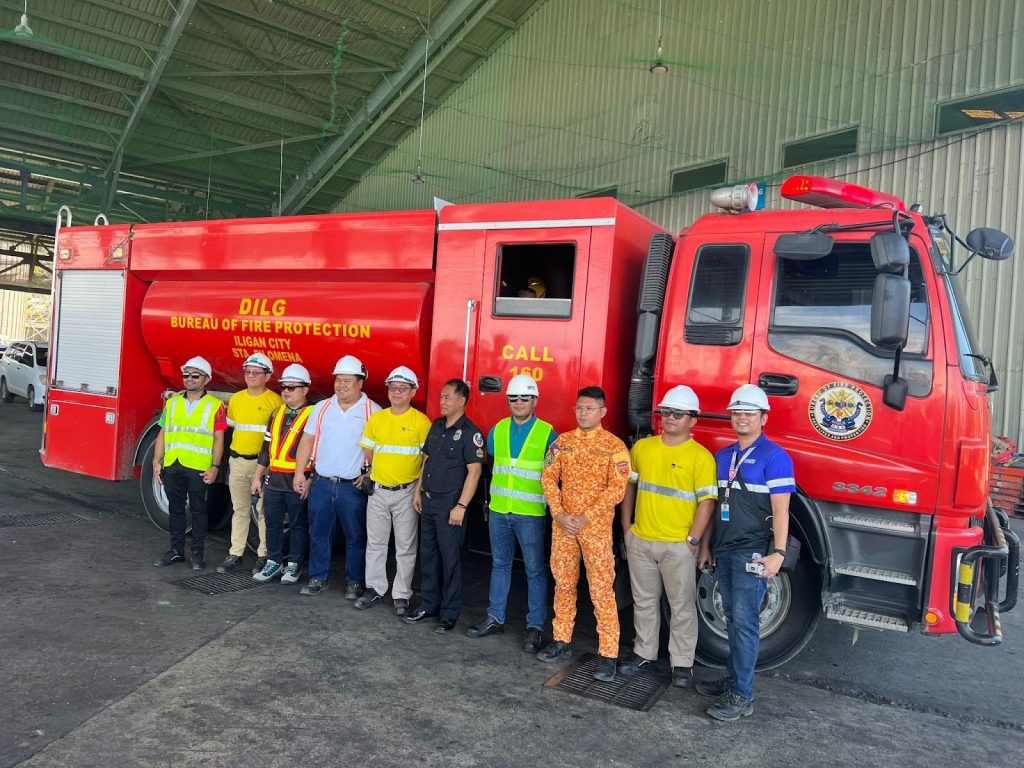
This simulation exercise brought together eight partner agencies: Iligan City Disaster Risk Reduction and Management Office (CDRRMO), Iligan Police Station 3, Iligan Forensic Unit, Iligan City Explosive Ordnance Disposal and Canine Unit, Iligan City Fire Station, Barangay Dalipuga Response Team, Coast Guard Station Lanao del Norte, and the Iligan City Task Force (Army). Their unified presence and collaboration made it possible to stage a highly realistic and impactful emergency drill.
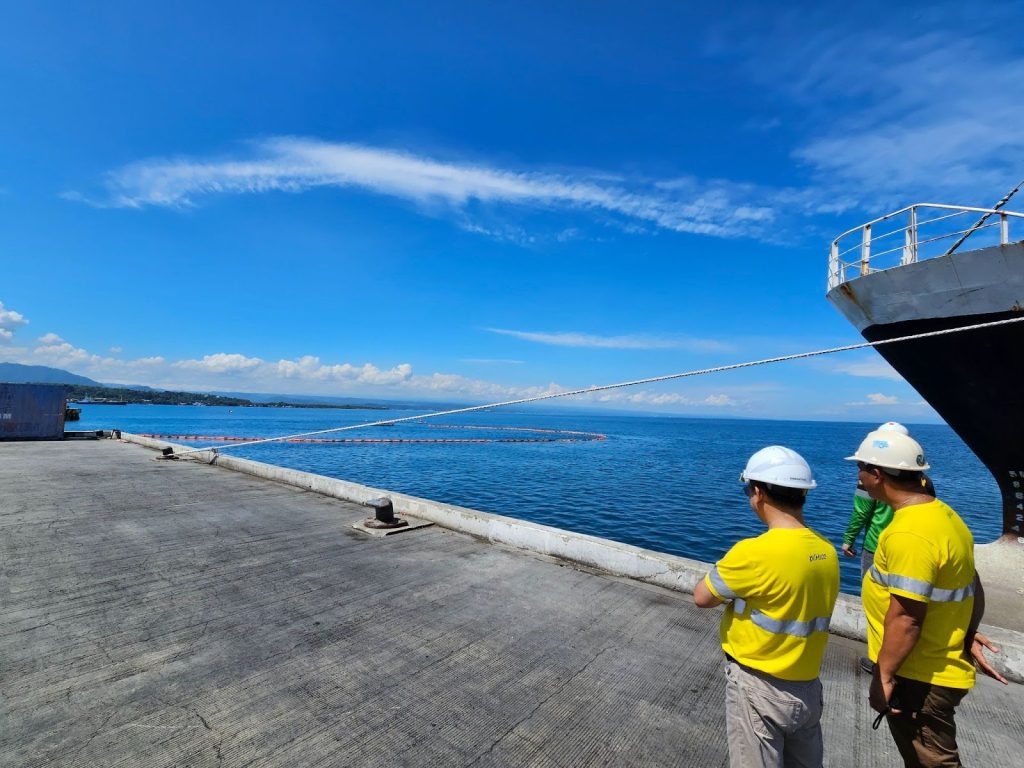
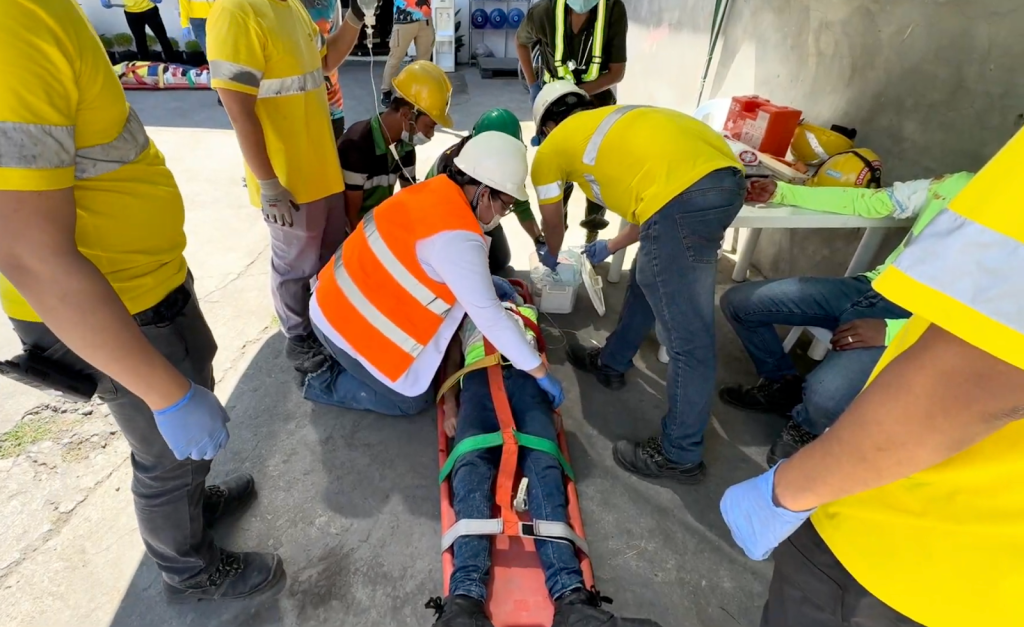
The first scenario of the drill, which officially began at 9:00 AM, involved suspicious trawlers entering the 150-meter jurisdiction of the Pilmico port. This triggered a chain of crisis events, including hostile actions such as gunfire, an oil spill, a fire, and multiple mock injuries. Each challenge tested key elements of Pilmico’s emergency protocols—from rapid security response to medical aid and environmental containment.
Throughout the simulation exercise, coordinated efforts among the teams were demonstrated:
- Oil spill response teams quickly deployed containment booms to mitigate environmental impact.
- Firefighters from the Iligan City Fire Station promptly acted to suppress the simulated blaze.
- Coast Guard units secured the perimeter and ensured maritime coordination.
- On-site medical teams treated staged casualties, including a mock gunshot victim.
To close the session, the Pilmico Site Incident Management Team (SIMT) along with participating agencies, and invited observers led a post-drill debriefing. They celebrated collaborative wins, discussed key takeaways, and identified areas for improvement.
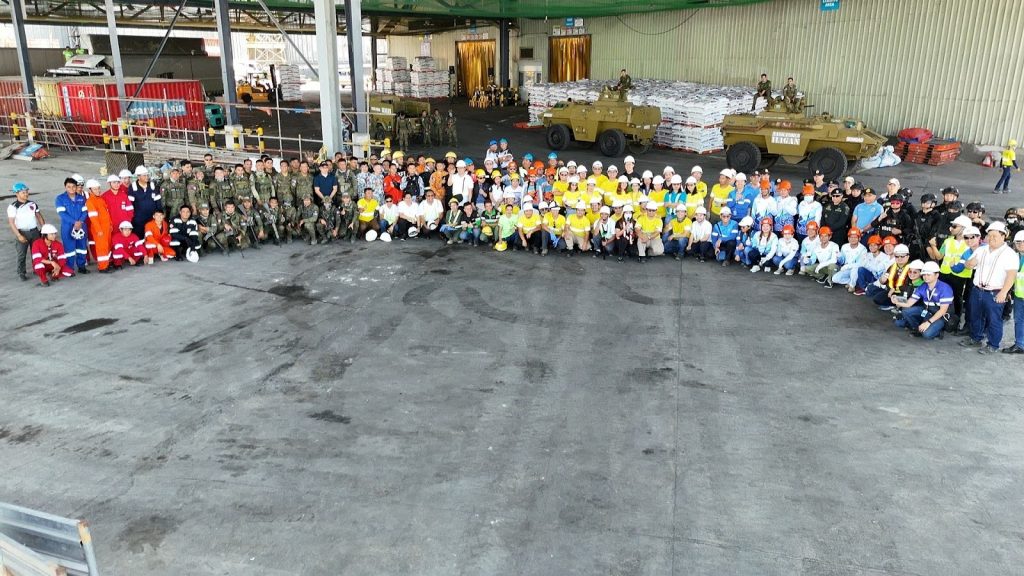
The 2025 Iligan SimEx was a big success, highlighting the strong collaboration and shared commitment of the Pilmico team and partner agencies in safeguarding lives and disaster resilience. It deepened the trust among all teams and emphasized the value of teamwork during emergencies. This preparation ensured that when real threats arise, the community is ready, capable, and well-coordinated to respond swiftly and confidently.
Frequently Asked Questions
Q1: Why does an agribusiness company run a maritime terrorism and oil spill drill?
The Pilmico Iligan site operates a port facility, which immediately creates exposure to maritime security threats, environmental incidents, and industrial accidents that land-based operations do not face. A port environment requires coordinated responses across security, fire, medical, and environmental containment simultaneously. Running drills that reflect this specific risk profile — rather than generic fire evacuation exercises — ensures teams are prepared for the actual threat scenarios the site faces, not just the most common ones.
Q2: What made this SimEx more rigorous than a standard emergency drill?
The exercise compressed multiple simultaneous crisis scenarios into a single continuous drill — maritime terrorism, hostile gunfire, oil spill, fire outbreak, and personnel injuries all cascading from a single triggering event. This sequential, compounding structure tests how well teams maintain coordination and decision-making under sustained pressure, not just how quickly they respond to one isolated incident. With eight external partner agencies mobilized alongside internal teams, the scale and realism of the simulation exceeded what any single organization could stage independently.
Q3: Why does involving eight external agencies matter for emergency preparedness?
In a real emergency at an industrial port facility, response will never come from a single organization. Police, fire, coast guard, military, medical, and disaster management units all operate under different command structures, communication protocols, and priorities. Practicing together in advance irons out coordination gaps that only become visible when agencies work side by side. The trust, familiarity, and shared understanding built during a joint SimEx directly reduces response time and confusion when an actual crisis occurs.
Q4: What is the purpose of the post-drill debriefing and why is it as important as the drill itself?
A simulation exercise generates value only if its lessons are formally captured and acted upon. The post-drill debriefing — involving the Pilmico Site Incident Management Team, all partner agencies, and invited observers — created a structured space to identify what worked well, where gaps appeared, and what needs improvement before the next real emergency. Celebrating collaborative wins alongside honest critique builds team morale while ensuring that observed weaknesses translate into concrete protocol improvements rather than being overlooked.
Q5: What does this level of emergency preparedness signal to the surrounding community?
A large industrial facility operating within a city carries responsibility not just for its own employees but for the surrounding community it sits within. Conducting an annual, multi-agency simulation exercise — and involving local government disaster risk reduction, city fire, police, and army units — demonstrates that Pilmico treats community safety as an active, shared obligation rather than a compliance checkbox. For the residents of Iligan, it signals that the people managing this facility are preparing seriously for worst-case scenarios, not waiting for emergencies to expose gaps.
Related Stories

In Ovo Sexing Technologies to Improve Animal Welfare
Eggs are widely regarded as one of the most nutritious and affordable protein sources available,
6 Ways to Keep Your Felines Well-Hydrated
Most people say that having a pet nowadays is almost the same as giving birth

Cat Care 101: Your Essential Checklist Before Bringing a Cat Home
Have you recently adopted or added a feline friend to your family? Congratulations! There’s nothing