
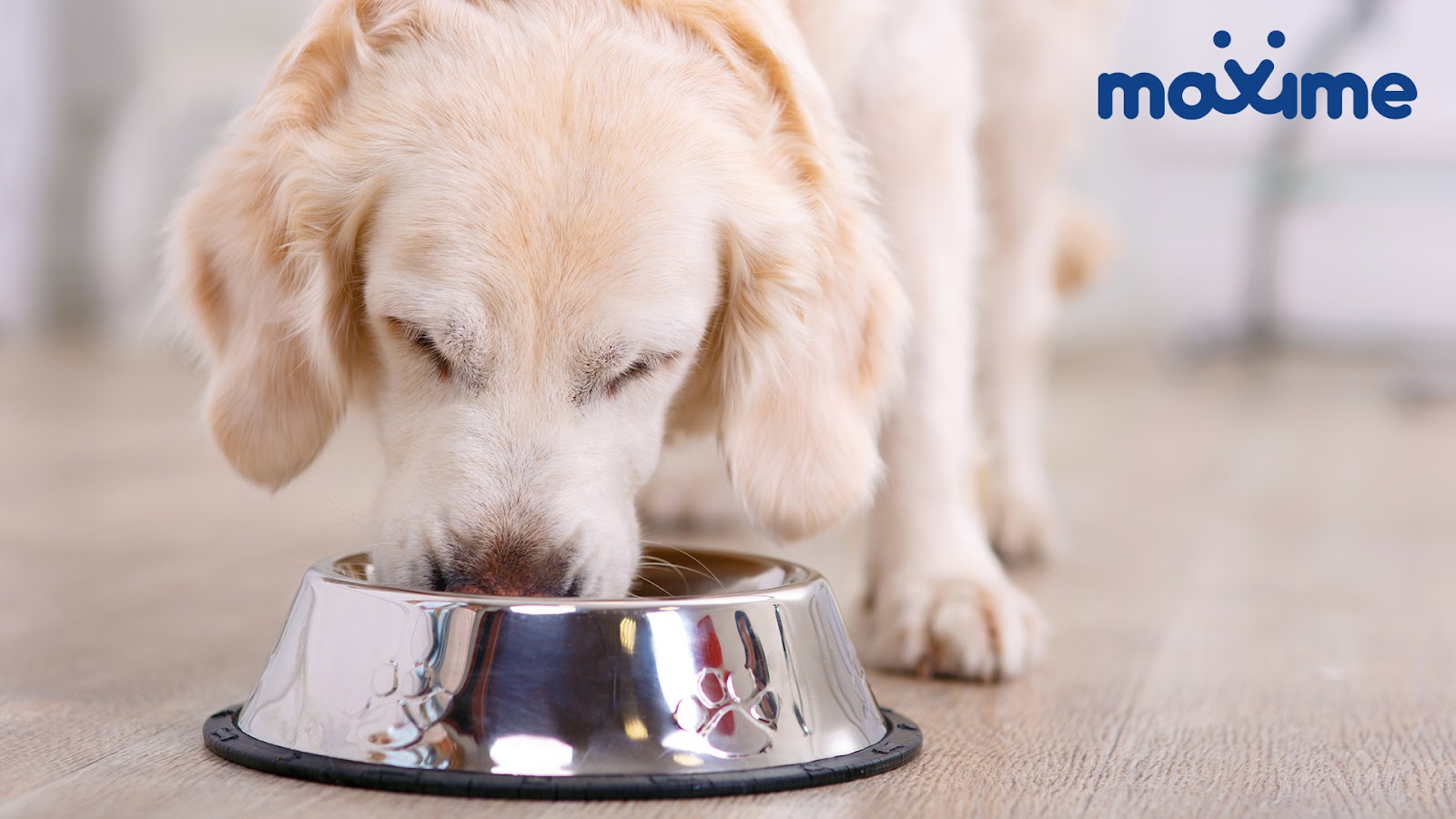
5 Steps Every Paw-rent Can Follow When Switching to New Dog Food
Thinking of changing the kind of food you feed your floof babies? Well, it won’t be super easy, but it won’t be as hard either. Changing your doggo’s food is not something you can expect to happen overnight. Think of it this way: if you’re not comfortable with sudden changes in your routine, your dogs may not sit well with drastic changes as well.
We, at Maxime, can help you live the best life together with this list of stuff you need to know before you switch things up with your dog!
1. Choose the Best Food for the Floof!
Of course, before you start transitioning, you must choose first what you’ll be transitioning into. How do we know the “best” one, you ask? Well, we can start first with the easiest to spot indications: the dog food has the words, “complete and balanced diet” on the label!
Finding the right food that your dog will also love can be a lot to process, but always make sure that you monitor their appetite, behavior, and stool quality during the transition. This will help you decide on what food the floof approves of. As always, it’s also best to consult your resident veterinarian regarding your dog’s health and nutrition.
2. The Switch Must Happen Gradually
You do not want to be that hooman who made food taste weird, right? So, changing your dog’s food should be done at a certain pace that they wouldn’t even notice. Aside from this, our floof babies’ little tummies are surprisingly sensitive that abrupt changes in their food might upset their stomachs.
To prevent vomiting and diarrhea, you have to condition them first and do 7 days of transition. You can start by mixing up their new food with the old one, following these recommended rations:
Days 1 & 2 – 25% new food; 75% old food
Days 3 & 4 – 50% new food; 50% old food
Days 5 & 6 – 75% new food; 25% old food
Day 7 – 100% new food
3. Monitor the Doggo’s Reaction
On the first day of gradually transitioning to new dog food, make sure you look for the signs of an upset stomach. It’s also important to keep an eye on your doggo’s stool and see if there are noticeable changes. When checking these, be on the lookout for abnormal reactions, and slow down the process — if needed — to give the dogs more time to adjust.
4. Keep the Doggos Well Hydrated
Transitioning can be a bit weird for your dogs, so you need to make sure that they are getting enough, if not plenty, of water during this time. Monitor their drinking behavior closely and be on the lookout for sudden changes as well. These can either be excessive drinking or not drinking at all. To prevent further digestive issues that may arise because of the new food, you can gradually go back to their old food again or consult with your vet for a more comprehensive look.
5. Check If They’re Ready or Not
As much as we do not like being forced, the floof babies might not appreciate it as well. If they do not seem to like or tolerate the new food, it’s perfectly fine. You can slowly shift them back to the old food and look for another kind after some time, just to give their little tummies a break.
If this still happens after a series of tries, it’s better to check with your veterinarian to find out what’s making your little guy’s stomach upset.
Living the best life together with your pets starts when they receive the right amount of nourishment from their food. At Maxime, we offer complete and balanced nutrition that’s delighting your dog’s palate, while giving them healthy skin and coat in every bowl. If you want to learn more, you may visit our official Facebook page, leave us a message, and we can further discuss what you need.
References:
Hill’s Pet Nutrition
American Kennel Club
Frequently Asked Questions
Q1. What are the five steps recommended for switching a dog to a new food?
Five sequential steps are outlined. First, select a new food that carries a “complete and balanced diet” label as the minimum qualifying standard. Second, transition gradually over seven days using a structured ratio schedule rather than switching abruptly. Third, monitor the dog’s reaction throughout – paying close attention to appetite, behavior, and stool quality during the entire transition period. Fourth, maintain adequate water intake and watch for sudden changes in drinking behavior, which can signal digestive distress. Fifth, if the dog consistently rejects or cannot tolerate the new food, revert to the previous food and consult a veterinarian before trying again.
Q2. What is the recommended seven-day transition ratio schedule, and why is a gradual approach necessary?
The structured schedule introduces the new food in increasing proportions across seven days: Days 1 and 2 use 25 percent new food mixed with 75 percent old food; Days 3 and 4 move to a 50-50 split; Days 5 and 6 shift to 75 percent new food and 25 percent old; Day 7 completes the transition at 100 percent new food. The graduated approach is necessary because dogs have sensitive digestive systems, and abrupt dietary changes can cause vomiting and diarrhea. The week-long timeline gives the gut microbiome and digestive enzymes time to adapt to the new protein sources, fat composition, and ingredient profile.
Q3. What specific signs should dog owners monitor during the transition, and what do they indicate?
Three monitoring areas are identified. Appetite changes reveal whether the dog finds the new food palatable and whether food refusal is occurring – important because refusal at early ratios may mean the new food is genuinely incompatible, while refusal only at higher ratios may indicate the pace is too fast. Stool quality is the most direct indicator of digestive tolerance – loose stools, diarrhea, or noticeably abnormal consistency signal that the transition pace should be slowed. Drinking behavior matters because excessive drinking or complete refusal to drink during transition can indicate underlying digestive distress or food intolerance that warrants veterinary attention.
Q4. How should owners respond if a dog refuses or cannot tolerate the new food after multiple attempts?
If a dog consistently rejects a new food or shows persistent digestive upset across several transition attempts, the recommended response is to gradually revert to the previous food to allow the dog’s digestive system to restabilize before trying again. Forcing a dog to continue with food it is not tolerating is not recommended. If the pattern of intolerance continues across multiple food options over time, veterinary consultation is specifically advised to identify whether an underlying health condition, food sensitivity, or allergy is contributing – as persistent intolerance across different food types may indicate a medical issue rather than simple preference.
Q5. What are the key takeaways for dog owners considering a food switch?
Three principles stand out. First, the baseline quality check is non-negotiable – the “complete and balanced diet” label is the minimum standard that must be met by any new food under consideration, regardless of price, brand, or marketing claims, because it confirms the food meets established nutritional guidelines. Second, pace is everything – the seven-day graduated ratio schedule exists precisely because rushing the transition is one of the most common and easily avoidable causes of digestive upset during food changes. Third, the dog’s response is the ultimate decision-maker – appetite, stool quality, and hydration behavior during transition provide the clearest objective indicators of whether a food switch is succeeding.
Related Stories
The Need For Feed
Despite the African Swine Fever (ASF) outbreak and the global pandemic, global feed use is

Empowering hog raisers: Pilmico and DSWD support farmers through Hog Raising Program
Pilmico Animal Nutrition Corporation (Pilmico) continues to fulfill its promise of being a total solutions
Feeding Your Rabbits: Insights Into Rabbit Feeds
When it comes to raising rabbits for commercial purposes, ensuring their dietary needs are met