
Top Filipino Holiday Season Foods
Known as one of the happiest places on earth, the Philippines is well-known for extravagant feasts during the holiday season.
With the Filipino’s rich gastronomic culture and strong family ties, it’s no surprise that we spare no expense when it comes to picking excellent dishes that each family member will enjoy.
This article will give you a brief overview of the top Filipino dishes to serve during the holiday season.
Add these to your menu and let your celebration be extra sweet, warm, and delightful!
1. Cochinillo
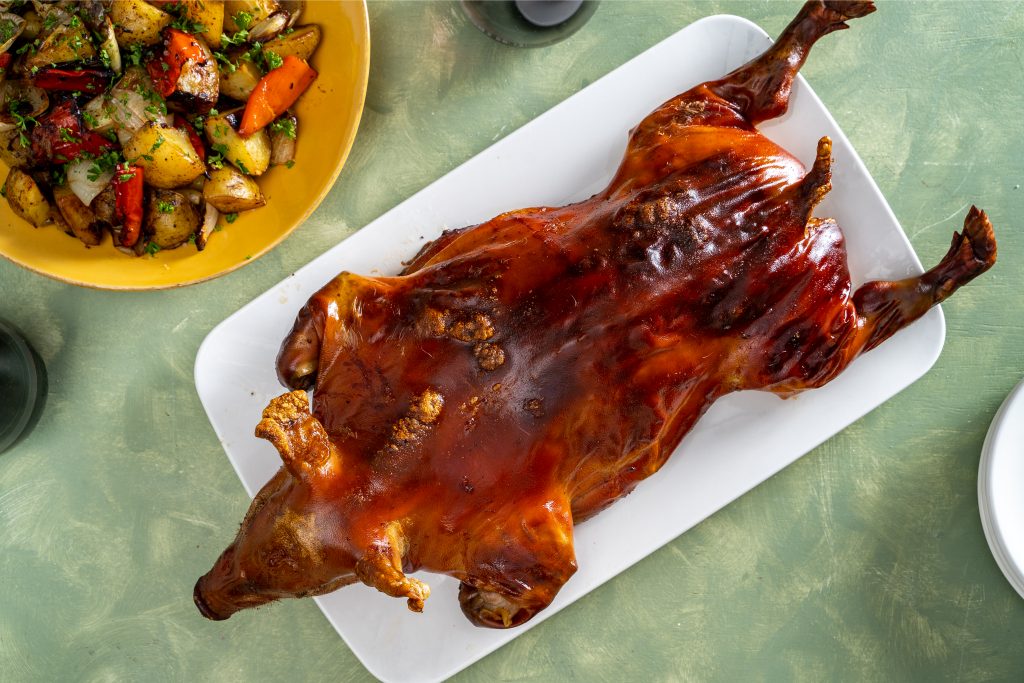
Cochinillo, commonly known as Roast Suckling Pig, is a traditional Spanish dish famous in the historic city of Segovia.
The Cochinillo has succulent meat, tender and crispy skin, a thin layer of fat, and is flavorful inside. Suckling pigs are typically smaller, about one-third than the standard pig size.
In Spain, local chefs use a plate instead of a knife to show how delicate and off the bone this dish is – the main reason why it melts in your mouth!
Cochinillo is a perfect centerpiece to rule your holiday table. Cochinillo is festive. It means a glorious celebration. And when our family knows about having Cochinillo at the table, no doubt everyone puts a smile on their faces, starts giggling, and shifts to an instant holiday feel!
2. Lechon Kawali
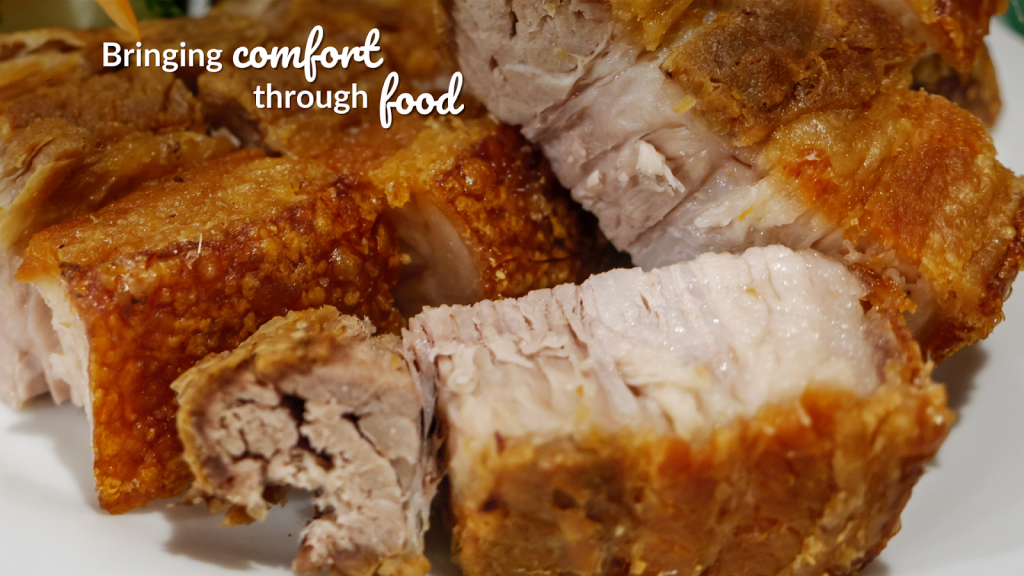
Lechon Kawali is one of the most excellent and all-time favorite pork dishes around the world during the holiday season. Its name was derived from the traditional cooking pan used to cook it – wok or Kawali.
It is a pork belly or liempo deep-fried to golden perfection – crunchy on the outside (especially when a little blistered) and moist inside. Lechon Kawali’s interchanging layer of meat and fat blends perfectly upon biting, making it juicer and tastier. No wonder every family member always looks for it at the table during holidays.
To fully enjoy it, serve it with cane vinegar, liver sauce, and mayo dip with plenty of onions and cucumbers on the side.
3. Celebration Ham
Like Cochinillio, Celebration Ham is very popular as a holiday centerpiece, especially during Christmas.
The Christmas Ham, also known as Yule Ham, came from an English tradition specifically from Germans who wanted to appease Freyr, the God of fertility, harvest, and boars. As Christianity spread worldwide, Christmas influences us, including Celebration Ham as a staple dish during holidays.
Today, Celebration Hams has various flavors such as Hickory-smoked, Honey-cured, and Sugar-cured.
There are plenty of ways on how to relish it – make thin slices while reminiscing, chatting, and having a toast of wine, top it with Queso De Bola, or stuff your pandesal and ensaymada with it. For leftovers,Make thin slices or bites and pair it with Sinangag, Egg, Black Coffee, and have an extended merry day!
4. Paella
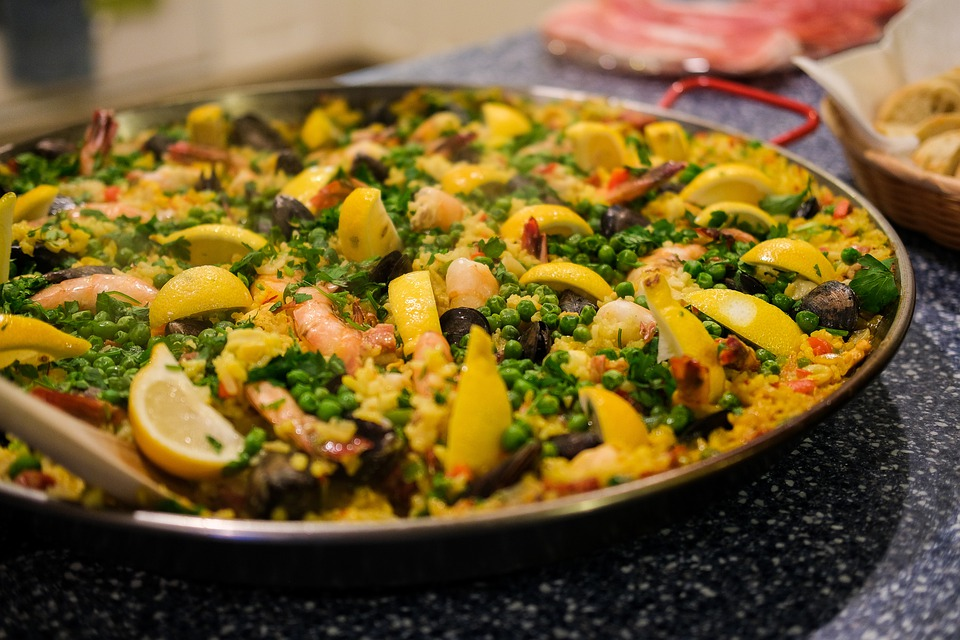
As Filipino culture is heavily influenced by Spanish culture, Paella, a classic rice dish from Spain, is another addition to your holiday menu.
The dish consists of vegetables, protein, and arborio rice, a staple for most Filipino dishes. It is a classic favorite at Christmas parties, family reunions, and other holiday celebrations because of its beautiful aroma, which is only enhanced because it’s scooped out of a communal pan for consumption around the table with the family.
There are several Paella varieties such as Chicken Paella, Seafood Paella, or Mixed Paella (a combination of seafood, meats, and vegetables).
Make this coming Christmas extra special with this iconic rice dish – nutritious, grand, and refreshing from all the meat dishes dominating the season!
5. Classic Beef Lasagna
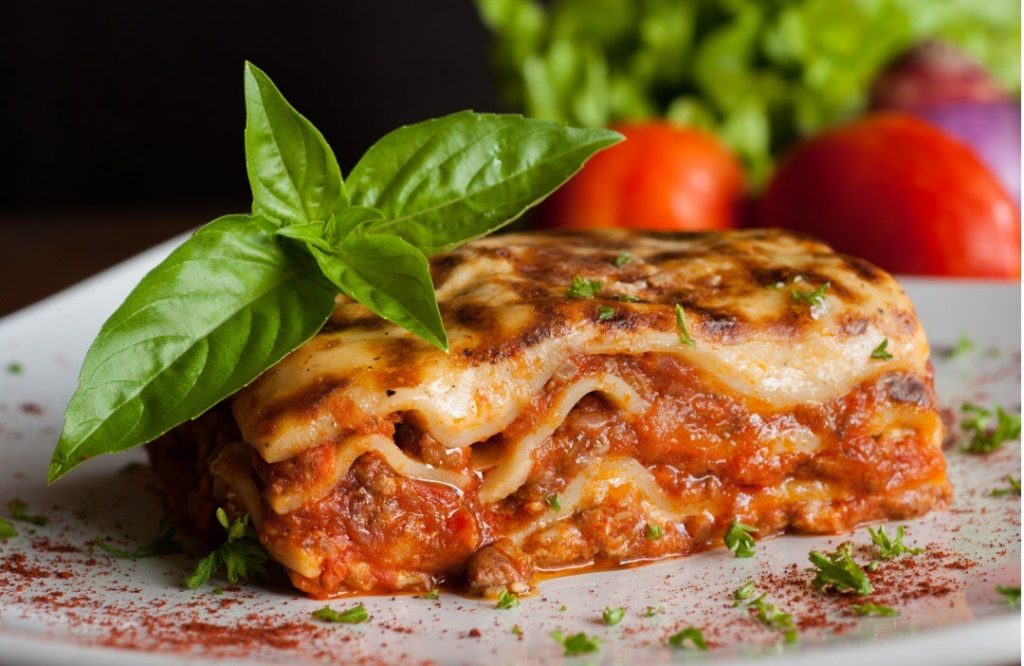
Who says spaghetti gets all the fun? Alternating layers of flat and wide noodles with lean ground beef — lasagna is known as a tasty favorite for most Filipino families.
Lasagna is a classic holiday-time meal, not only in the Philippines but also in other countries. It is a simple yet popular pasta meal characterized by a series of layers with homemade meat sauce and a combination of ingredients like ricotta cheese mixture.
Contrary to popular belief, you do not need expensive ingredients to serve it. The ingredients are almost the same as classic Filipino-style spaghetti, except for the lasagne pasta. Simply combine ground beef and tomato sauce, and you’re good to go.
Most Filipino kids remember holiday Lasagna as a traditional Christmas Eve dinner growing up, primarily because it is great to serve at a holiday buffet party — slice it up in serving portions and let guests help themselves.
Fresh Meat Ingredients For Your Holidays
Filipino holiday celebrations are not complete without meat as a key ingredient like the list above.
Many believe that meat symbolizes wealth and prosperity, but beyond that, it shadows beautiful relationships with our loved ones!
To achieve healthy, safe, and more sumptuous meat dishes, always pick fresh and high-quality meat.
Visit your trusted meat shop in the Philippines today because you deserve a splendid and memorable holiday season!
Frequently Asked Questions
Q1: Why do so many Filipino holiday dishes trace their origins to Spanish cuisine, and what does that reveal about the lasting influence of colonial history on the family table?
The Spanish colonial period lasted over 300 years, leaving deep imprints on Filipino food culture. Dishes like Cochinillo, Paella, and Celebration Ham all have European roots that were adopted, adapted, and eventually claimed as Filipino holiday staples. Rather than simply imitating Spanish cooking, Filipino families made these dishes their own — adjusting flavors, presentation, and occasion. The holiday table became a living archive of that cultural exchange, where Spanish culinary traditions survived not through imposition but through genuine integration into Filipino family life and celebration.
Q2: What makes Cochinillo a more psychologically powerful holiday centerpiece than simply being an exceptionally prepared dish?
Cochinillo works on the family’s emotions before it even reaches the table. Its rarity, the effort involved in sourcing and preparing a suckling pig, and its visual impact as a whole roasted centerpiece create a sense of occasion that few other dishes can match. When family members learn Cochinillo is being served, the anticipation itself becomes part of the celebration. It signals that this gathering is significant — worthy of something extraordinary. The dish does not just feed the family; it frames the entire holiday as a moment worth remembering.
Q3: How has Lasagna — an Italian pasta dish — become so deeply embedded in Filipino Christmas memory that many families treat it as a non-negotiable tradition?
Lasagna entered the Filipino holiday table through its adaptability. Its ingredients closely mirror those of Filipino-style spaghetti — a dish already beloved across generations — making it an easy, affordable expansion of familiar flavors. Served in sliceable portions at buffet-style Noche Buena spreads, it suits the Filipino practice of communal, abundant feasting. For many Filipino children, holiday Lasagna is inseparable from Christmas Eve memory, demonstrating how a dish earns cultural permanence not through its origin but through consistent emotional association across generations of family gatherings.
Q4: In a holiday spread dominated by rich meat dishes, what role does Paella play in balancing the table — and why does communal cooking from a shared pan matter culturally?
Paella introduces a rice-based counterpoint to the heavier meat centerpieces — Cochinillo, Lechon Kawali, and ham — that anchor the Filipino holiday table. Its combination of protein, vegetables, and aromatic rice provides textural and nutritional balance. Beyond content, the communal pan from which Paella is scooped reinforces a Filipino dining philosophy built around sharing. Food does not arrive pre-portioned; it is taken together, at the table, creating a moment of collective participation that mirrors the family unity the holiday season is meant to celebrate.
Q5: Why does the quality of fresh meat used in holiday dishes carry greater symbolic weight in Filipino culture than it might in other food traditions?
In Filipino culture, meat at the holiday table is understood to represent more than nutrition — it is associated with prosperity, generosity, and the care a family extends to its loved ones. Serving high-quality, fresh meat is an act of respect for the occasion and the people gathered around it. A well-sourced cut of pork belly for Lechon Kawali or a properly prepared suckling pig for Cochinillo communicates that no shortcut was taken. The effort invested in sourcing good meat becomes part of the love the meal is meant to express.
Related Stories

The Good Meat keeps families safe and pantries full
Staying safe while keeping your food essentials complete is possible with The Good Meat. Make
The basics of deep frying
Deep frying, as a technique, is used by professional chefs to lock in flavor and
How to Raise Hogs from Farm to Table: A Guide for Commercial Hog Farmers
When it comes to commercial hog farming, meticulous planning is essential to ensure you have