
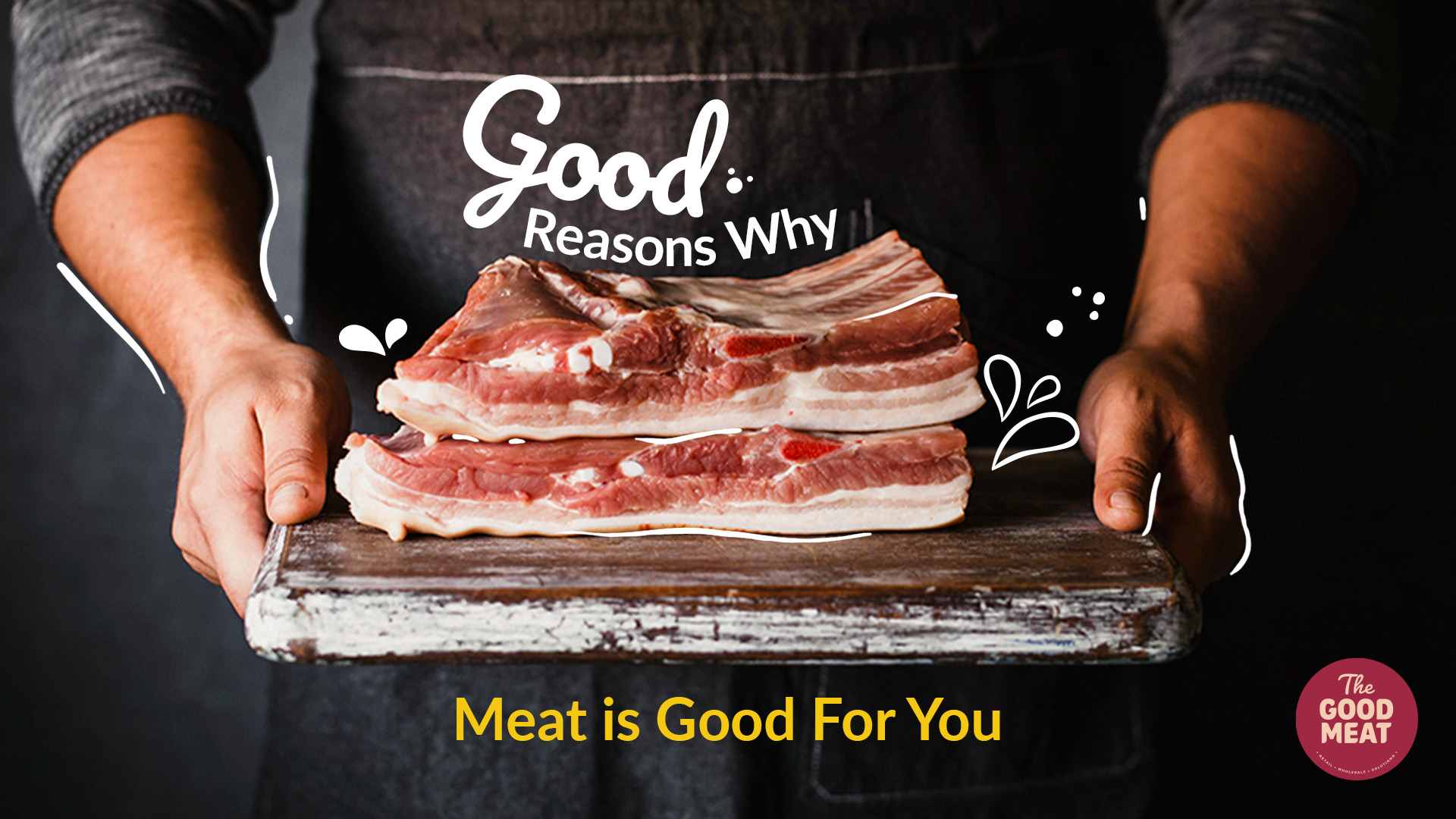
Good Reasons Why Meat is Good For You
Everybody wants to be healthy. The famous “health is wealth” adage is more meaningful now than ever.
Nutrition is the foundation of health, and we will never be healthy if we receive poor nutrition. To most of us, nutrition is equivalent to the food we consume. Nutrition is how our bodies use the food we eat for sustenance, growth, and development.
Food Groups and Their Importance
We learn from our younger years that food can be grouped into three categories – GO, GROW, and GLOW foods. These three play a major role in our diet, nutrition, and health. GO foods contain carbohydrates and fats that provide energy for our bodies. Examples of these are rice, bread, and root crops.
GLOW foods, such as fruits and vegetables, are high in vitamins and minerals. GROW foods, on the other hand, are protein-rich foods that are responsible for bone and muscle health. Our primary source of protein is meat, but poultry, dairy products, fish, and eggs are also considered protein-rich foods.
Why Eating Meat is Part of Eating Healthy
Meat is a well-favored source of protein in the Filipino diet. Pork and beef (red meat)or chicken (white meat) can be purchased in local markets. We have a lot of varied recipes for our meats.
Good meat is high in amino acids, vitamins such as vitamin A that stimulates the production of white blood cells responsible for fighting body infections and B vitamins that break down complex carbohydrates, and minerals like iron and selenium. Iron is needed by our body to make hemoglobin and myoglobin while selenium helps protect against cell damage and infections. These are just some of the many benefits of protein in our diet. Thus, cooking your favorite pork adobo recipe not only satisfies your cravings but also provides your body with its needed nutrients.
Meat is critical in children’s diets while they are in their growing stage, while the elderly need an adequate intake of protein and calcium to maintain good muscle mass and bone health.
Protein-rich foods are essential at every stage of our lives and need to be included in our diet. When shopping for your homemade meals, don’t forget to shop for quality produce and fresh meat. A well-balanced diet rich in carbohydrates, protein, vitamins, and minerals is essential for good nutrition and health.
References:
Vitamin A. The Nutrition Source. Retrieved July 5, 2022, from The Nutrition Source
Iron: Fact Sheet for Consumers. U.S. Department of Health and Human Services. Retrieved July 5, 2022, from National Institutes of Health
What is the Role of Meat in a Healthy Diet? July 7, 2018. Animal Frontiers. Retrieved July 5, 2022, from Animal Frontiers
Frequently Asked Questions
Q1: In a world with growing interest in plant-based diets, why does meat still hold a strong place in a balanced nutritional plan?
Meat remains one of the most nutrient-dense foods available. It delivers complete proteins containing all essential amino acids, along with key vitamins like A and the B-complex, and minerals such as iron and selenium. Iron supports the production of hemoglobin and myoglobin, while selenium helps protect cells from damage. These nutrients are either absent or less bioavailable in most plant-based sources, making quality meat a hard-to-replace component of a well-rounded diet.
Q2: How does the GO-GROW-GLOW food classification help Filipinos make smarter dietary choices?
The GO-GROW-GLOW framework, introduced in early schooling, organizes food by function. GO foods like rice and bread supply energy through carbohydrates. GLOW foods — fruits and vegetables — deliver vitamins and minerals. GROW foods, primarily meat, poultry, fish, dairy, and eggs, provide the protein the body needs for muscle development and bone health. Understanding this system helps consumers build meals that address all nutritional needs rather than relying heavily on any single food group.
Q3: What specific nutrients in meat directly support immune function and overall cell health?
Meat is a reliable source of Vitamin A, which stimulates white blood cell production — the body’s frontline defense against infection. Selenium, also found in good quality meat, plays a protective role against cell damage. B vitamins help the body break down complex carbohydrates for usable energy. Together, these nutrients make meat a functional food that supports immunity, cellular repair, and metabolic efficiency beyond simply being a protein source.
Q4: Why is adequate meat consumption especially critical at the earliest and latest stages of life?
Children in their growing years depend on protein-rich foods to build strong muscles and bones. Without sufficient protein intake during this stage, physical development can be compromised. At the other end of the age spectrum, the elderly require consistent protein and calcium to prevent muscle loss and maintain bone density — both of which decline naturally with age. Meat provides a concentrated, accessible source of these nutrients at life stages when the body’s demands are highest.
Q5: How does sourcing fresh, quality meat translate into a direct impact on the nutritional value of home-cooked Filipino meals?
The nutritional integrity of any dish starts with its ingredients. Meat that is fresh and properly sourced retains more of its naturally occurring vitamins, minerals, and amino acids. Substandard or poorly handled meat may have degraded nutritional content before it even reaches the kitchen. For everyday Filipino recipes like pork adobo, the quality of the cut directly determines how much genuine nourishment the meal delivers to the family table.
Related Stories
Top Filipino Holiday Season Foods
Known as one of the happiest places on earth, the Philippines is well-known for extravagant

Tips On Having The Best Summer Cookout
Summer is finally here! We Filipinos beat the heat by hitting the beach or going
Building Your Poultry Empire: A Poultry Farming for Beginners Guide
Are you ready to embark on a fulfilling journey into the realm of poultry farming?